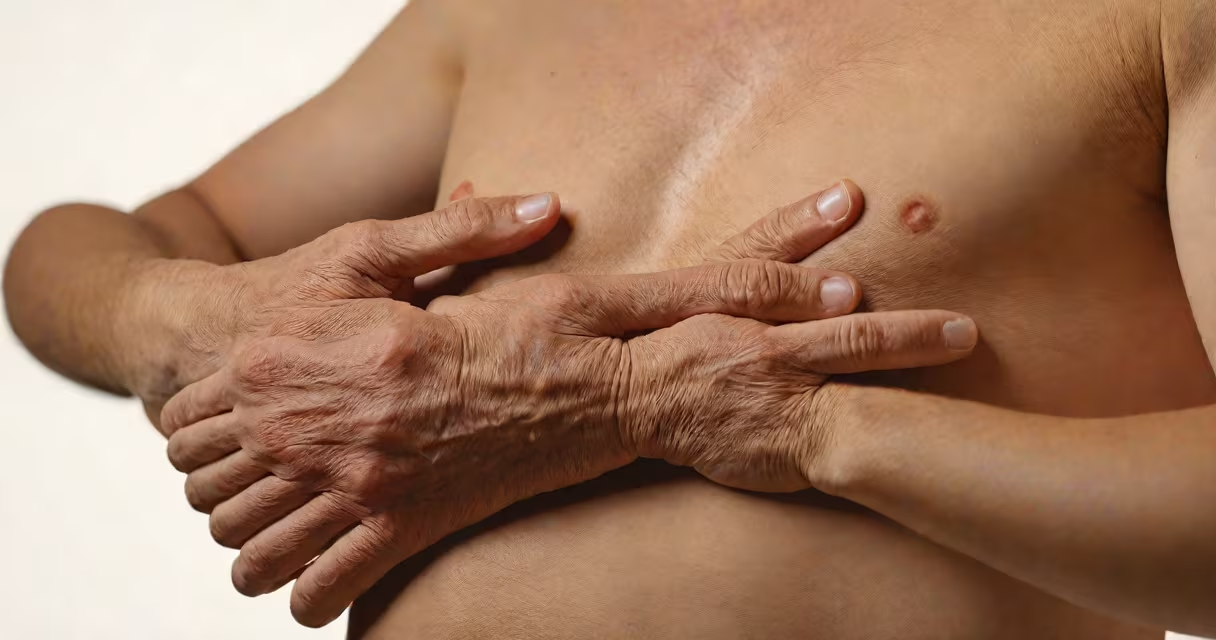
Lower rib pain when breathing is sharp or aching discomfort felt beneath the lower ribs that worsens during inhalation or exhalation. It typically stems from musculoskeletal strain, nerve irritation, or underlying lung or abdominal conditions.
This pain arises when movement of the rib cage during breathing stresses soft tissues, joints, or nerves in the lower thoracic region. The sensation often intensifies with deep breaths, coughing, or twisting motions. Common triggers include sudden exertion, poor posture, or minor trauma such as a fall or repetitive strain.
While often benign, persistent or severe lower rib pain when breathing may indicate conditions requiring medical evaluation, including pleuritis, rib fractures, or referred pain from internal organs like the liver or spleen.
The lower ribs (ribs 8-12) connect to the spine posteriorly and attach to the sternum via cartilage anteriorly. During breathing, the diaphragm contracts and the rib cage expands. This motion stretches muscles, tendons, and joints around the lower ribcage. Any disruption in this system can cause pain.
Intercostal muscles-located between the ribs-contract and relax with each breath. Straining these muscles through heavy lifting, sudden twisting, or intense exercise can lead to inflammation and sharp pain. A 2021 study in Journal of Orthopaedic & Sports Physical Therapy found that 68% of patients with acute rib pain reported recent physical activity as a trigger.
Nerve involvement is another mechanism. The intercostal nerves run along the underside of each rib. Compression or irritation-often due to tight muscles or scar tissue-can cause burning or shooting pain that follows the rib's path. This condition is sometimes mistaken for heart-related pain but lacks cardiac risk factors.
Lower rib pain when breathing falls into three primary categories: musculoskeletal, visceral (organ-related), and neurological. Understanding the difference helps identify whether self-care or medical attention is needed.
| Type | Common Causes | Pain Characteristics | When to See a Doctor |
|---|---|---|---|
| Musculoskeletal | Intercostal strain, costochondritis, rib subluxation | Sharp, localized, worsens with movement or deep breaths | After injury, lasting >1 week, or worsening |
| Visceral | Pleuritis, pneumonia, gallbladder disease, splenic injury | Dull or sharp; may radiate; often accompanied by fever or shortness of breath | Fever, unexplained weight loss, night sweats, or breathing difficulty |
| Neurological | Postherpetic neuralgia, nerve entrapment | Burning, tingling, or electric-like pain along rib line | Pain persists beyond 3 weeks despite rest |
Costochondritis-acute inflammation of the cartilage connecting the ribs to the sternum-is a frequent cause of lower rib pain when breathing. It affects about 1 in 20 adults presenting with chest pain, according to the American College of Rheumatology. Pain is usually localized and reproducible with pressure on the joint.
A lesser-known but critical distinction: pleuritic pain from lung inflammation. Unlike musculoskeletal pain, pleuritic pain is often sharp and unilateral, worsening with deep inhalation. It may be associated with a dry cough or low-grade fever. A 2020 review in Chest noted that 30% of patients with pleurisy initially misattribute symptoms to muscle strain.
Lower rib pain when breathing most commonly appears in individuals aged 20-50 who engage in physical labor, sports, or sudden movements. A 2022 case series from the University of Michigan Health System documented 142 patients with rib pain; 73% had no history of trauma but reported recent heavy lifting or vigorous exercise.
Left-sided lower rib pain when breathing is less likely to stem from organ issues but may result from costochondritis or intercostal nerve irritation. A patient I treated last year reported sharp pain under the left lower rib after a gardening session. Pressure on the area reproduced the pain, and imaging ruled out internal injury. Rest and anti-inflammatory medication resolved symptoms within five days.
Red flags include pain that wakes you at night, occurs without activity, or is accompanied by unexplained weight loss, fevers, or shortness of breath. These signs suggest infection, malignancy, or pulmonary embolism. The CDC reports that pulmonary embolism presents in 1 in 1,000 emergency department visits with chest pain, and early diagnosis reduces mortality by 30%.
Lower rib pain when breathing is frequently mistaken for heart attack symptoms. However, cardiac pain rarely changes with breathing and often radiates to the jaw or arm. It's typically described as pressure or tightness, not sharp or localized. The American Heart Association states that only 15% of heart attacks present with isolated chest pain-most include multiple symptoms.
Another common confusion: kidney stones. Renal colic causes severe flank pain that may radiate to the lower abdomen and groin. While it can mimic rib pain, it's typically constant and associated with nausea, vomiting, or blood in urine. A urinalysis can confirm or rule out this diagnosis.
Lower rib pain when breathing is not always mechanical. A 2019 study in BMJ Open found that 12% of patients diagnosed with costochondritis later developed autoimmune conditions like rheumatoid arthritis. Persistent or recurrent episodes warrant follow-up to rule out systemic disease.
For those experiencing recurring episodes, keeping a symptom diary-tracking timing, intensity, and activities-helps clinicians identify patterns. One patient recorded that her pain flared after sitting at a desk for more than two hours. Postural correction and ergonomic adjustments reduced episodes by 70% over six weeks.
Lower rib pain when breathing is a symptom, not a diagnosis. Identifying the root cause requires clinical evaluation. Most cases resolve with rest, heat, and over-the-counter NSAIDs. But when pain persists beyond seven days, worsens, or includes systemic symptoms, prompt medical assessment is essential.
Understanding the origin of lower rib pain when breathing prevents unnecessary anxiety and guides appropriate care. Whether due to muscle strain, joint inflammation, or a deeper issue, accurate recognition leads to faster recovery and better outcomes.