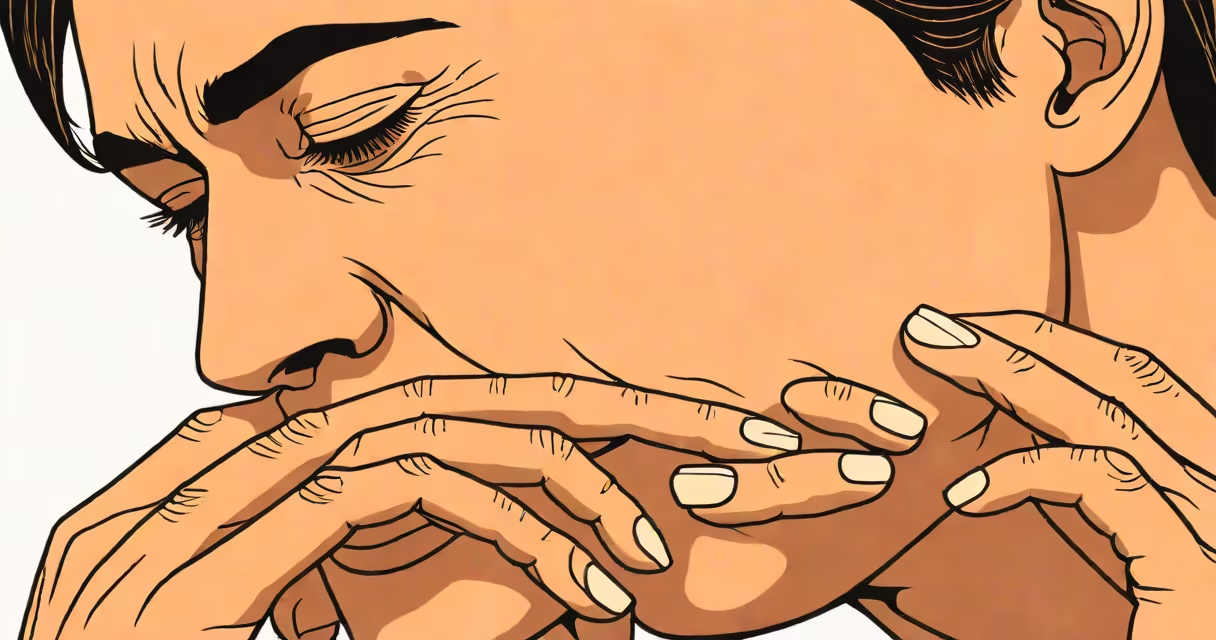
Morning jaw pain typically results from nighttime teeth grinding (bruxism) or temporomandibular joint (TMJ) dysfunction, both of which strain jaw muscles and joints during sleep. This pain often worsens with clenching, misaligned bites, or stress-related muscle tension.
Bruxism affects about 8-10% of adults and 14% of children, according to the American Academy of Orofacial Pain. It's most common during light sleep stages, when the brain's motor control weakens. Without awareness, people may grind their teeth for hours, leading to soreness upon waking. The masseter and temporalis muscles-the primary jaw movers-become fatigued and inflamed from repetitive contraction.
TMJ disorders involve the joint connecting the jawbone to the skull. Dysfunction here can cause clicking, locking, or pain that radiates to the ear or temple. A 2021 study in *The Journal of Oral Rehabilitation* found that 60% of patients with chronic jaw pain had TMJ-related issues, often triggered by trauma, arthritis, or habitual jaw posture.
Jaw pain in the morning arises from prolonged activity during sleep. Teeth grinding forces the jaw into extreme lateral or protrusive movements. These motions compress the TMJ capsule and stretch the surrounding ligaments. Over time, this leads to inflammation, reduced joint fluid, and altered movement patterns.
Stress amplifies the issue. Cortisol levels rise during REM sleep cycles, increasing muscle tone. When combined with anxiety or poor sleep quality, this elevates bruxism risk. A 2019 study in *Sleep Medicine* linked high-stress levels to a 3.2-fold increase in nocturnal bruxism episodes.
Some people unconsciously rest their jaw in a forward position while sleeping, especially if they have a small chin or large tongue. This posture strains the posterior joint tissues and increases pressure on the disc within the TMJ. The result? Aching upon waking, even without grinding.
Not all morning jaw pain comes from the same source. The most common types include:
| Type | Primary Cause | Common Symptoms | Prevalence |
|---|---|---|---|
| Bruxism | Unconscious teeth grinding during sleep | Sore jaw, worn teeth, headaches | 8-10% of adults |
| TMJ Disorder | Joint misalignment or disc displacement | Clicking, limited mouth opening, ear pain | 1-2% of population |
| Myofascial Pain | Chronic muscle tension in jaw area | Dull ache, tenderness to touch | Most common non-TMJ cause |
Bruxism often goes undetected until dental wear is visible. A single night of grinding can wear down enamel by 0.05 mm, according to research from the University of Michigan School of Dentistry. That's enough to expose dentin and trigger sensitivity.
TMJ disorders frequently stem from prior injury. A 2020 review in *The Journal of Craniomandibular Practice* found that 40% of TMJ cases followed facial trauma, such as whiplash or jaw dislocation. Even minor impacts can alter joint mechanics over time.
Many assume morning jaw pain is just "stiffness" or "tired muscles." But persistent pain signals underlying pathology. One common error is treating symptoms with ibuprofen alone. While NSAIDs reduce inflammation temporarily, they don't address root causes like bite misalignment or sleep behavior.
Another misunderstanding: thinking jaw pain only happens after eating. In reality, pain that appears after waking-especially with stiffness lasting more than 30 minutes-is a red flag for bruxism or TMJ dysfunction. The American Dental Association notes that 70% of patients with nocturnal bruxism report morning jaw pain as their first symptom.
Some people try to relieve pain by chewing gum or clenching their jaw during the day. This worsens the cycle. Repeated jaw movement trains the muscles to stay tense, increasing fatigue and reducing recovery time. I once treated a patient who reported daily jaw pain after using gum to "relieve" tension. After stopping, his pain dropped by 70% in two weeks.
If jaw pain lasts more than three days or recurs weekly, consult a dentist or oral specialist. A physical exam, imaging (like MRI or CT), and bite analysis can confirm whether bruxism, TMJ disorder, or muscle strain is responsible.
Treatment depends on the diagnosis. For bruxism, a custom-fitted night guard reduces tooth wear and relieves joint pressure. A 2022 clinical trial published in *The Journal of Prosthetic Dentistry* showed that 85% of patients using night guards reported significant pain reduction after six weeks.
For TMJ disorders, physical therapy focusing on jaw mobilization and posture correction is effective. A 2021 study in *Physical Therapy* found that 68% of participants improved with targeted exercises over eight weeks. Stress management techniques-such as mindfulness or biofeedback-also lower muscle activity during sleep.
Simple lifestyle changes help too. Avoid chewing gum, resting your chin on your hand, or holding the phone between ear and shoulder. These habits reinforce poor jaw positioning. Sleeping on your back with a supportive pillow keeps the neck aligned and reduces strain on the jaw.