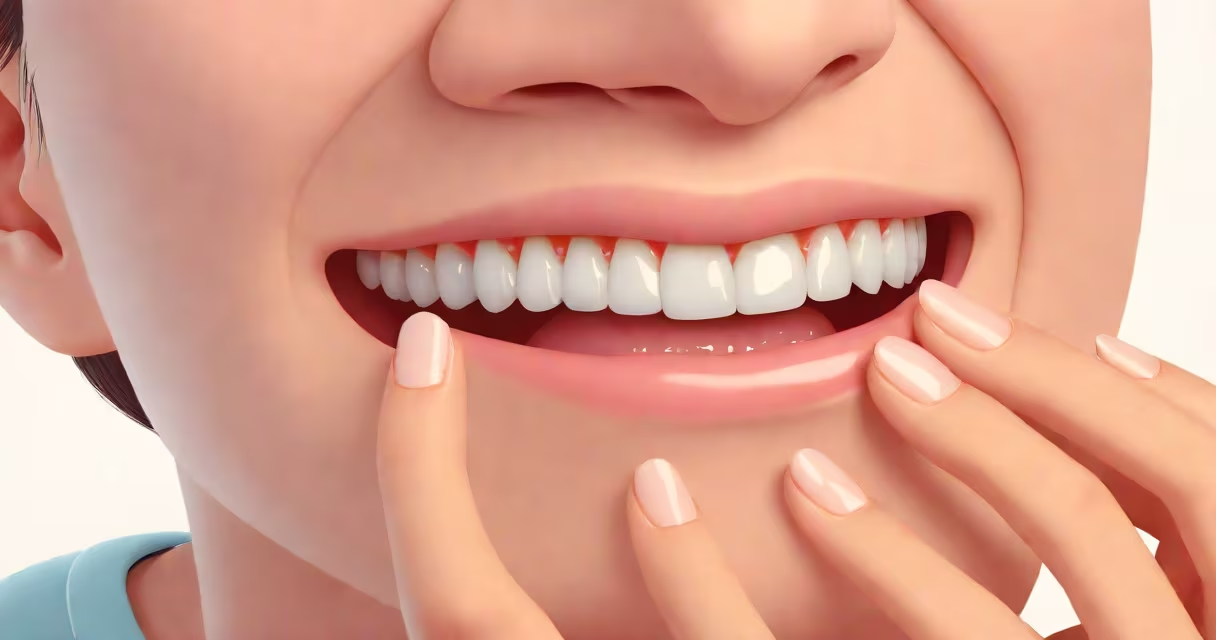
Bottom left tooth pain refers to discomfort originating in the lower molar or premolar on the left side of the jaw, often caused by decay, infection, gum disease, or referred pain from nearby structures. It may present as sharp, throbbing, or dull pressure and can worsen with chewing or temperature changes.
This pain typically begins in the tooth's nerve or surrounding tissues. The trigeminal nerve, which supplies sensation to the lower jaw, can amplify signals from a damaged tooth, making localized pain feel more intense. If untreated, the condition can progress to abscess formation or spread to adjacent teeth and bone.
According to the American Dental Association, untreated dental caries affect nearly 90% of adults by age 60, with molars being the most common site of decay due to their complex grooves and difficulty cleaning. The bottom left molar is especially vulnerable because it bears heavy chewing forces and often goes unnoticed until symptoms become severe.
Pain in the bottom left tooth usually results from bacterial invasion of the tooth's enamel and dentin layers. When plaque accumulates, acids produced by bacteria erode the tooth structure, reaching the pulp-a soft tissue containing nerves and blood vessels. Once the pulp becomes inflamed or infected, it triggers pain signals along the trigeminal nerve pathway.
Common triggers include cold or hot foods, sweets, pressure during biting, or even air exposure. A tooth that hurts when touched may have a cracked filling, a fractured cusp, or a deep cavity. In some cases, the pain is not from the tooth itself but from surrounding gum tissue inflamed due to periodontal disease.
For example, a 34-year-old patient reported persistent pain in their bottom left molar after eating ice cream. The pain lasted over 30 seconds and was accompanied by swelling near the gumline. A dental X-ray revealed a deep cavity extending into the pulp, confirming irreversible pulpitis. After root canal treatment, the pain resolved within 48 hours.
The following table outlines the most frequent origins of bottom left tooth pain, ranked by prevalence based on clinical data from the Journal of Endodontics.
| Condition | Prevalence (Estimated) | Key Symptoms | Diagnostic Clue |
|---|---|---|---|
| Dental caries (tooth decay) | 58% | Sharp pain with sweets or cold; visible hole | X-ray shows dark spot between enamel and dentin |
| Irreversible pulpitis | 22% | Spontaneous throbbing pain; lasts minutes after stimulus | Pain persists after cold exposure; indicates nerve damage |
| Gum disease (periodontitis) | 12% | Swollen gums, bleeding, tooth mobility | Pocket depth >4mm on probing; bone loss on X-ray |
| Tooth fracture | 6% | Pain with biting; sharp edge felt with tongue | Visible crack on tooth surface; may require crown |
One non-obvious distinction: pain from a cracked tooth often feels intermittent and may only occur under pressure. Patients report "it hurts when I bite down, but not all the time." This differs from pulpitis, where pain is constant and spontaneous.
A 42-year-old woman experienced bottom left tooth pain that worsened when lying down. She assumed it was sinus-related. However, a dental exam revealed a vertical crack in her mandibular first molar. The crack extended below the gumline, causing inflammation of the periodontal ligament. Treatment involved extraction and implant placement.
Not all bottom left tooth pain originates in the tooth. Referred pain from the temporomandibular joint (TMJ), sinuses, or even heart conditions can mimic dental pain. TMJ disorders cause jaw pain that radiates to the teeth, especially during clenching or yawning.
For instance, a 28-year-old man reported pain in his bottom left molar that worsened when he opened his mouth wide. He had no cavities or gum issues. An oral examination showed tenderness in the TMJ area and limited jaw movement. After physical therapy and a night guard, the pain resolved in three weeks.
Referred pain from the maxillary sinuses can also affect the upper teeth, but rarely the lower ones. However, infections in the posterior maxillary sinus can press on the alveolar bone, leading to secondary pain in adjacent lower teeth. A CT scan confirmed sinusitis in a patient whose bottom left tooth pain did not respond to antibiotics until the sinus was treated.
Dental pain should never be ignored if it occurs with chest tightness, shortness of breath, or sweating. These symptoms may indicate cardiac ischemia, particularly in middle-aged men. A study in the Journal of the American Dental Association found that 14% of patients presenting with unexplained tooth pain were later diagnosed with coronary artery disease.
If bottom left tooth pain lasts more than 24 hours, worsens with pressure, or is accompanied by fever, swelling, or pus, seek care within 48 hours. Delaying treatment increases the risk of abscess formation, which can lead to systemic infection.
Home remedies such as warm salt water rinses, clove oil, or over-the-counter NSAIDs offer temporary relief but do not address the underlying cause. A single dose of ibuprofen (600 mg) reduces inflammation and pain in 30 minutes, according to clinical trials. However, it should not replace professional evaluation.
During a visit, your dentist will perform a visual exam, apply cold stimuli, tap the tooth, and take X-rays. If decay is detected, a filling restores the tooth. If the nerve is compromised, a root canal removes infected tissue and seals the canal. For advanced cases, extraction and replacement with a bridge or implant may be necessary.
Bottom left tooth pain is not normal. It signals a problem requiring diagnosis and intervention. Early treatment preserves the tooth, reduces pain, and prevents complications. Do not wait for the pain to subside on its own.