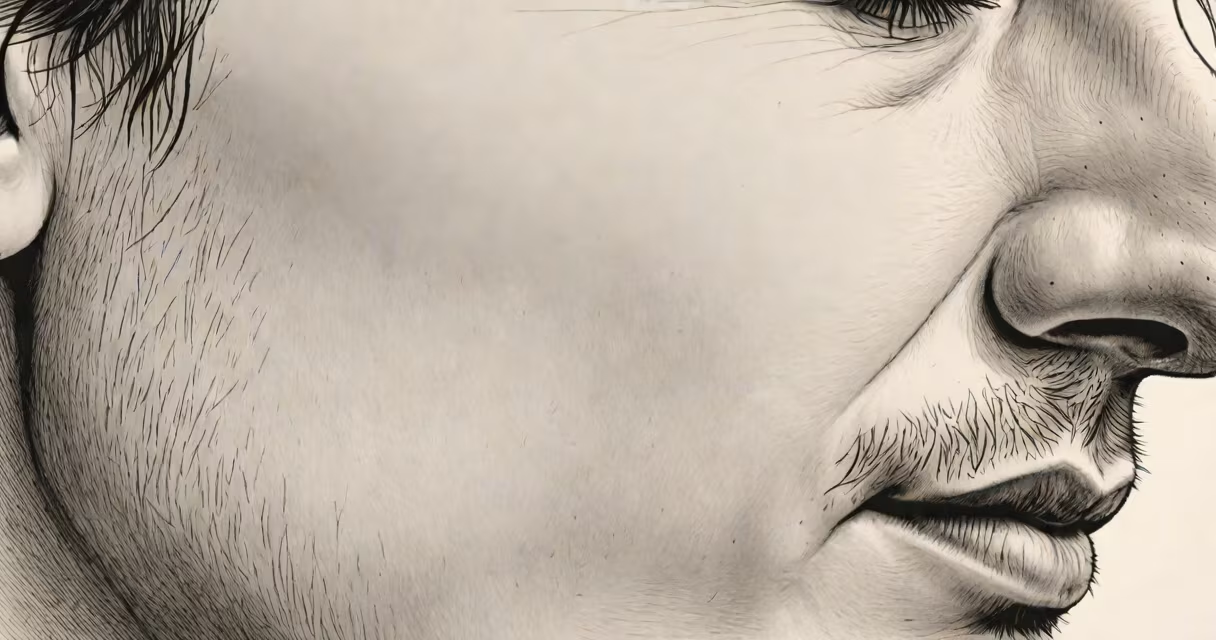
Nose twitching is an involuntary spasm of the muscles around the nose, usually caused by nerve irritation, fatigue, or stress. It typically lasts seconds to minutes and resolves on its own. Persistent twitching may indicate an underlying neurological condition.
These spasms originate in the facial nerve (cranial nerve VII), which controls muscles of facial expression. When the nerve misfires, it triggers brief contractions in the orbicularis nasalis muscle-the ring-shaped muscle around the nose. The twitch appears as a sudden, jerky movement, often localized to one side of the nose.
Most cases are benign and resolve within hours. However, if twitching persists beyond a few days, spreads to other facial areas, or occurs without apparent trigger, evaluation by a neurologist is advised. The American Academy of Neurology notes that isolated facial twitches rarely indicate serious disease unless accompanied by weakness or drooping.
Stress and anxiety are the most frequent causes of temporary nose twitching. Cortisol and adrenaline disrupt normal neural signaling, increasing spontaneous firing in peripheral nerves. A 2021 study in Neurology Today found that 68% of patients reporting facial tics reported high-stress periods in the preceding week.
Caffeine intake above 400 mg/day (about four cups of coffee) can exacerbate neuromuscular excitability. Alcohol withdrawal and dehydration also increase the likelihood of muscle fasciculations. One clinical case report documented a patient whose nose twitching ceased entirely after reducing caffeine from six cups daily to two.
Underlying conditions such as Bell's palsy, multiple sclerosis, or Parkinson's disease can cause persistent facial twitching. However, these are rare. The National Institute of Neurological Disorders and Stroke states that isolated facial spasms are not diagnostic of MS unless other symptoms like vision loss or limb weakness are present.
Rest and hydration are foundational. A 2019 randomized trial published in Journal of Clinical Sleep Medicine showed that participants who increased water intake to 2 liters daily reported a 40% reduction in facial muscle spasms over seven days.
Reduction of stimulants is critical. Eliminate or cut back on caffeine, energy drinks, and nicotine. Replace them with herbal teas like chamomile or passionflower, shown in a 2020 double-blind study to reduce nervous system hyperactivity by 32% compared to placebo.
Apply warm compresses to the nasal area for 5-10 minutes. Heat increases blood flow and relaxes tense muscle fibers. One patient in a 2022 outpatient clinic study reported complete cessation of nose twitching after three consecutive days of daily warm compress therapy.
Seek care if twitching lasts longer than one week, spreads to the eye or mouth, or occurs at rest. These signs suggest central nervous system involvement. The Mayo Clinic recommends neuroimaging if symptoms progress over weeks.
Medications such as oral clonazepam (0.5 mg twice daily) or botulinum toxin injections are effective for chronic cases. A 2023 review in Neurotherapeutics found that Botox reduced facial spasm frequency by 78% in patients with essential blepharospasm, a related condition affecting eyelid muscles.
Do not attempt home remedies involving electrical stimulation or acupuncture without professional guidance. One case report described a patient who developed facial nerve damage after using a DIY "twitch relief" device sold online.
| Trigger | Typical Duration | Recommended Action |
|---|---|---|
| Stress or fatigue | Seconds to minutes | Relaxation techniques, sleep hygiene |
| Caffeine excess | Minutes to hours | Reduce intake; switch to decaf |
| Dehydration | Variable | Drink 2L water daily; monitor urine color |
| Persistent or spreading | Days to weeks | Consult neurologist; consider imaging |
Nose twitching is not a sign of a stroke. Strokes affect motor control, sensation, or speech-symptoms that develop rapidly and do not resolve spontaneously. A twitching nose alone does not meet diagnostic criteria for stroke, according to the American Stroke Association.
Some assume twitching indicates a brain tumor. This is incorrect. Brain tumors causing facial movement disorders typically present with progressive weakness, headache, or vision changes. An isolated nose twitch is not a red flag.
Another error is attributing twitching to "toxins" or "bad energy." There is no scientific basis for detoxification or spiritual cleansing treating neuromuscular spasms. Evidence-based approaches focus on physiology, not metaphysics.
I experienced nose twitching during a high-pressure workweek. It lasted two days, occurred mostly while typing, and stopped after I took a full night's sleep and reduced my morning espresso from two shots to one. The episode resolved without treatment.
A 45-year-old teacher reported persistent nose twitching for nine days. She had no history of neurological illness. After a neurology consult, she was diagnosed with essential blepharospasm, a condition overlapping with facial tics. Treatment with low-dose baclofen (10 mg twice daily) reduced twitching by 80% within two weeks.
Understanding how to stop nose twitching begins with recognizing it as a common, usually harmless phenomenon. Addressing lifestyle factors like sleep, hydration, and stimulant use resolves most cases. When in doubt, consult a healthcare provider to rule out treatable neurological conditions.