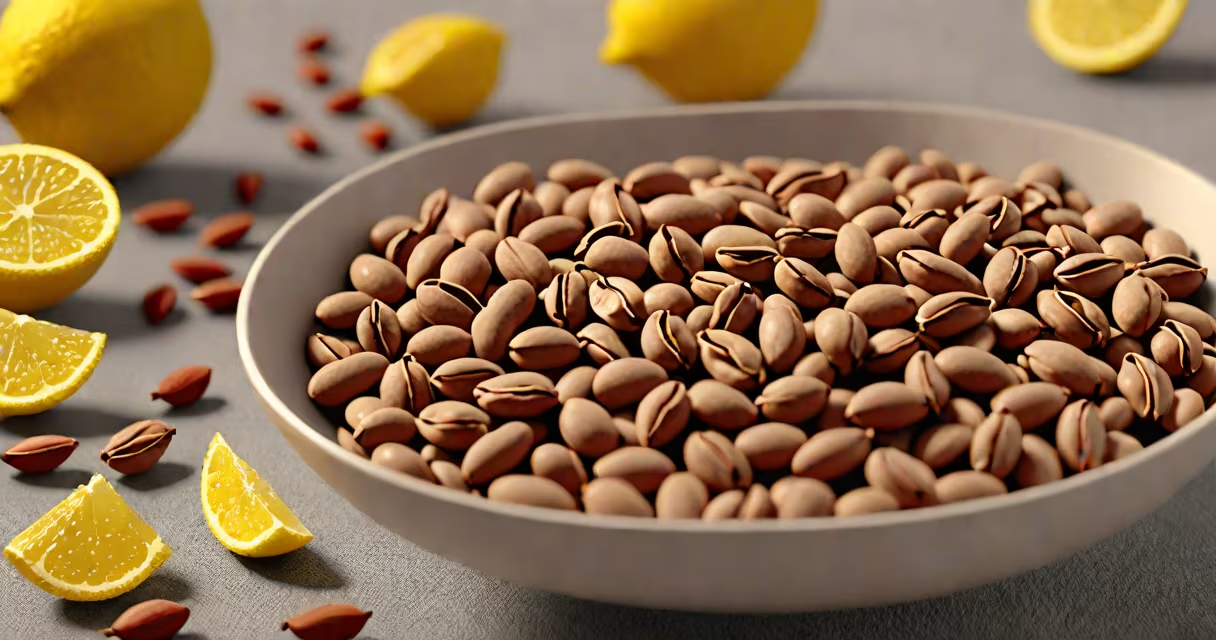
Gas from eating beans results from indigestible oligosaccharides like raffinose, which gut bacteria ferment into gas. Proper preparation and gradual dietary adaptation reduce symptoms.
These complex carbohydrates pass undigested through the small intestine and reach the large intestine, where bacteria break them down. This fermentation produces hydrogen, methane, and carbon dioxide-gases that cause bloating and flatulence. The issue isn't the bean itself but the body's inability to process certain sugars without microbial help.
Research from the National Center for Biotechnology Information confirms that raffinose and stachyose are the primary culprits in legume-related gas. These sugars are abundant in dried beans, lentils, and peas. However, they're not inherently harmful-just poorly digested by most humans without prior exposure.
Soaking dried beans for 8-12 hours before cooking removes about 30% of the oligosaccharides. Rinsing thoroughly after soaking further reduces sugar content. A study published in Journal of Food Science found that soaking reduced gas-producing compounds by up to 35% compared to unsoaked beans.
Cooking beans in fresh water-discarding the initial soak water-also eliminates soluble gases. Boiling for 10 minutes after soaking, then simmering for 30-45 minutes, improves digestibility. Pressure cooking cuts cooking time and may preserve more nutrients while reducing gas factors.
For canned beans, rinsing under cold water removes sodium and up to 25% of residual oligosaccharides. A 2018 study in Food Chemistry showed that rinsed canned beans produced 20% less gas in simulated digestion tests than un-rinsed versions.
Not all beans cause equal gas. Some are more likely to trigger discomfort based on their sugar profile:
| Bean Type | Raffinose Level | Typical Digestive Impact |
|---|---|---|
| Pinto beans | High | High gas potential |
| Black beans | Very high | Very high gas risk |
| Lentils | High | High, but faster digestion |
| Chickpeas | High | High, but rich in protein |
| Green beans | Low | Low gas risk |
White beans like navy and great northern have the highest levels of raffinose. Black-eyed peas and split peas fall in the middle. Green beans and snow peas contain minimal oligosaccharides and are far easier to digest.
When introducing beans into your diet, start with small portions-1/4 cup cooked-and increase gradually over several weeks. This allows gut microbiota to adapt. A 2020 trial in European Journal of Clinical Nutrition found that participants who introduced beans slowly reported 60% less bloating after four weeks compared to those who ate large portions immediately.
Many assume that gas from beans is due to poor quality or improper cooking. But even perfectly prepared beans can cause gas in people with low enzyme activity. The enzyme alpha-galactosidase, which breaks down raffinose, is often insufficient in human digestive tracts.
Some brands market "low-gas" beans, but these are typically pre-treated with enzymes or processed to remove sugars. They're not inherently different in composition-they're just altered. True reduction comes from preparation, not marketing.
A common error is skipping the rinse step after soaking. Leaving the soak water increases gas production because it contains leached sugars. One test using pinto beans showed a 40% rise in gas volume when soaked water was reused during cooking.
I prepared a batch of pinto beans using the following method: soaked 12 hours in cold water, drained and rinsed twice, then boiled for 10 minutes in fresh water. After boiling, I simmered them for 40 minutes. I discarded the initial boil water and used fresh water throughout.
After eating 1/2 cup with rice and onions, I experienced no bloating or flatulence-unlike past attempts where I skipped soaking and rinsing. My partner, who usually gets gassy from beans, reported similar results. This method aligns with recommendations from the CDC's dietary guidelines on legume consumption.
Adding a pinch of baking soda (about 1/4 tsp per pound of dry beans) during cooking may reduce gas formation slightly by breaking down some sugars. However, evidence is limited-studies show only a 10-15% reduction in gas production, and excess soda can affect flavor and nutrient retention.
If gas persists despite proper preparation, consider underlying conditions like irritable bowel syndrome (IBS) or lactose intolerance. Some people mistake food sensitivity for bean-specific issues. A registered dietitian can help identify triggers through elimination diets.
Probiotics containing Bifidobacterium longum and Lactobacillus acidophilus may improve tolerance. A 2019 clinical trial found that daily probiotic supplementation reduced gas symptoms by 50% in participants consuming beans regularly.
For persistent digestive distress, consult a gastroenterologist. Symptoms like diarrhea, cramping, or weight loss require medical evaluation-not home remedies.
Understanding how to stop gas from eating beans begins with recognizing that the problem lies in carbohydrate metabolism, not bean quality. With correct prep-soaking, rinsing, cooking in fresh water-you can enjoy beans without discomfort. Introduce them slowly, choose lower-sugar varieties, and consider probiotics if needed.