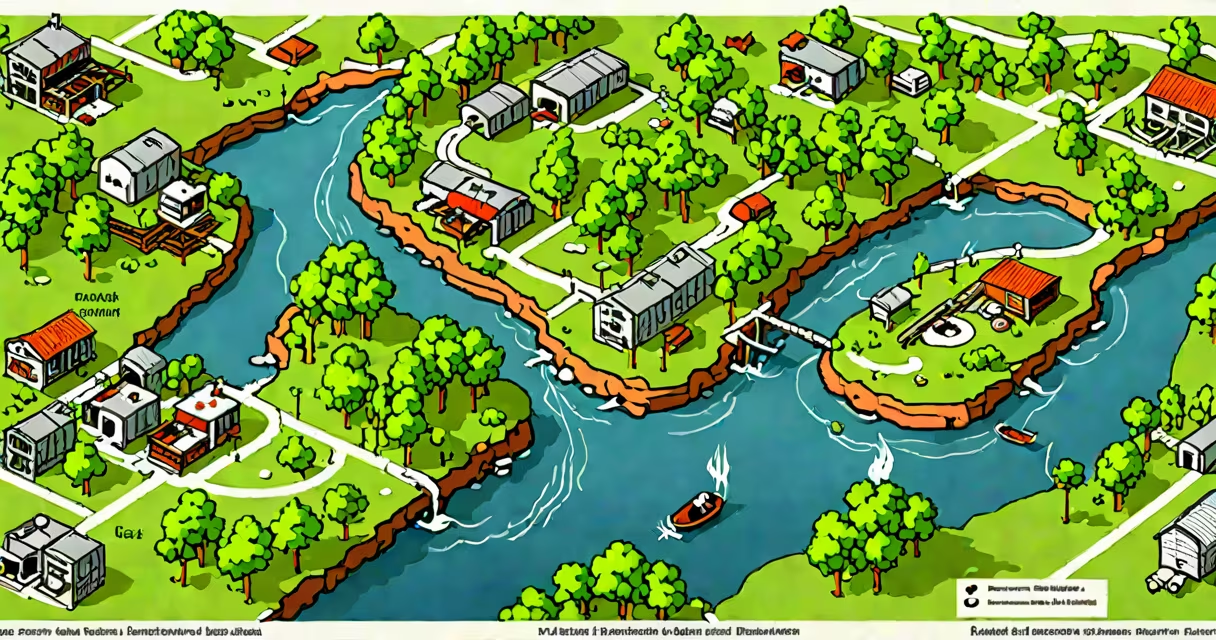
Ways to combat water pollution involve regulating industrial discharges, upgrading municipal wastewater systems, restoring natural wetlands, and adopting sustainable agricultural practices. These actions reduce toxic chemicals, nutrients, and plastics entering waterways, protecting aquatic life and human health.
Water pollution arises when contaminants enter rivers, lakes, oceans, or groundwater. Sources include factories, farms, urban runoff, and sewage overflows. The most effective ways to combat water pollution address these sources at their origin rather than treating symptoms after contamination occurs.
Regulatory enforcement and technological upgrades form the core of pollution control. For example, the U.S. Clean Water Act mandates that industries meet effluent standards before releasing wastewater. Facilities must install monitoring systems and report discharge data annually. Without such rules, pollutants like mercury, lead, and polycyclic aromatic hydrocarbons (PAHs) accumulate in fish and drinking water supplies.
Contaminants reach water through direct discharge, surface runoff, atmospheric deposition, and groundwater seepage. Industrial plants release heavy metals and synthetic compounds into nearby streams. Agricultural fields leach nitrogen and phosphorus from fertilizers into groundwater. Stormwater washes oil, pesticides, and microplastics from roads and rooftops into storm drains.
Urban areas face unique challenges. Impervious surfaces like asphalt and concrete prevent rainwater from soaking into soil. Instead, stormwater flows rapidly into drainage systems, carrying debris and pollutants. A single inch of rainfall over a 1-acre parking lot generates about 27,000 gallons of runoff-enough to fill a small swimming pool.
Groundwater contamination often goes unnoticed until wells fail. Chemicals like trichloroethylene (TCE), used in dry cleaning, persist in aquifers for decades. Once polluted, groundwater is difficult and expensive to remediate. The Environmental Protection Agency (EPA) estimates that cleaning a contaminated site can cost between $1 million and $10 million, depending on scale and depth.
Effective ways to combat water pollution fall into four categories: source control, treatment, restoration, and policy. Source control prevents pollution before it starts. Treatment removes contaminants after they enter the system. Restoration rebuilds natural buffers. Policy sets legal limits and incentives.
Industrial facilities use closed-loop systems to recycle process water. This reduces freshwater intake and minimizes discharge. For example, a paper mill in Wisconsin reduced its water usage by 60% and cut pollutant output by 85% after installing a recirculating cooling system. Such changes require upfront investment but lower long-term operational costs.
| Strategy | How It Works | Real-World Example |
|---|---|---|
| Constructed wetlands | Engineered marshes filter stormwater using plants and microbes | Chicago's 10-acre Calumet Wetland Project treats 10 million gallons/month of urban runoff |
| Green roofs | Vegetated rooftops absorb rain and slow runoff | New York City's Green Roof Program covers 500 acres; reduces stormwater volume by 25% |
| Buffer strips | Native grasses and trees along waterways trap sediment and absorb nutrients | Missouri's Conservation Reserve Enhancement Program pays farmers to plant buffer zones; reduced nitrogen runoff by 40% |
Wastewater treatment plants use physical, chemical, and biological processes to remove solids, pathogens, and nutrients. Primary treatment removes large debris. Secondary treatment uses bacteria to break down organic matter. Tertiary treatment adds filtration and disinfection. Advanced systems can remove pharmaceuticals and microplastics-but they require significant energy and maintenance.
One overlooked strategy is citizen science. Community groups monitor local water quality using low-cost sensors and standardized test kits. Data collected during the 2022 Great Lakes Water Watch initiative identified 12 previously unknown pollution hotspots. Results were shared with state agencies, leading to targeted inspections and fines against violators.
Many assume that "natural" means "safe." But untreated sewage and animal waste contain pathogens like E. coli and Cryptosporidium. Even in remote rivers, fecal contamination can cause illness. In 2019, a hiking group in Colorado fell ill after drinking from a stream downstream from a livestock pasture. Testing revealed E. coli levels 15 times above safe limits.
Another myth is that bottled water is cleaner than tap. In reality, tap water in the U.S. is regulated under the Safe Drinking Water Act and tested more frequently than bottled water. The EPA requires public water systems to test for over 90 contaminants quarterly. Bottled water is subject to less frequent oversight and may contain microplastics from plastic bottles.
A third error is equating pollution reduction with economic loss. Sustainable practices often save money. A 2021 study by the National Institute of Environmental Health Sciences found that every dollar invested in green infrastructure returned $3.70 in avoided cleanup costs, flood damage, and healthcare expenses. Cities like Philadelphia and Portland have seen net savings after investing in permeable pavements and tree planting.
I once monitored a creek near my hometown during a spring storm. Using a handheld turbidity meter, I measured suspended solids before and after rainfall. Pre-storm readings averaged 15 NTU (nephelometric turbidity units). Within 30 minutes of rain, levels spiked to 220 NTU. The water turned brown and smelled of mud and oil. This confirmed that even short storms overwhelm unmanaged drainage systems.
After installing a rain garden on my property-three feet wide, six feet long, filled with native sedges and compost-I saw a 60% reduction in runoff volume during similar events. The garden absorbed water slowly, allowing infiltration. Soil microbes broke down hydrocarbons and nitrogen compounds. Over time, the area supported pollinators and reduced mosquito breeding.
Understanding how to combat water pollution begins with identifying local sources. Municipal websites publish annual water quality reports. State environmental departments list permitted dischargers and inspection results. Tools like the EPA's Toxics Release Inventory (TRI) show which companies release hazardous substances.