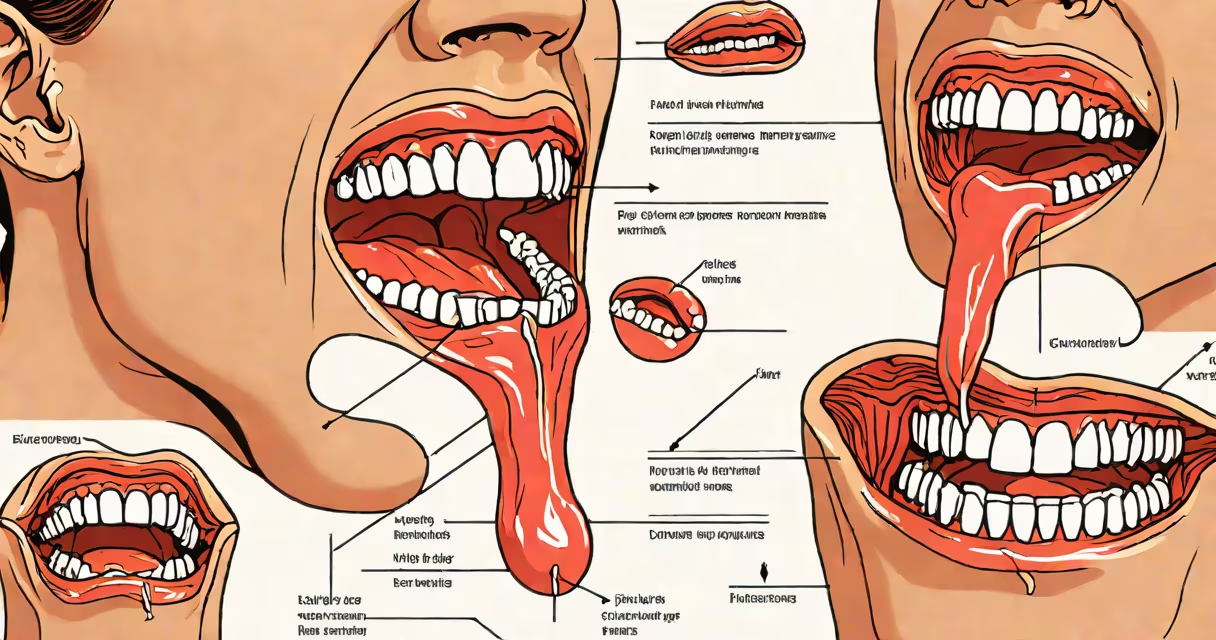
Tonsillitis develops when the tonsils-two oval masses of tissue at the back of the throat-become inflamed due to infection, typically caused by viruses or bacteria such as group A streptococcus. The condition often results from direct exposure to infected saliva, mucus, or airborne droplets.
The tonsils act as part of the immune system, filtering out pathogens entering through the mouth and nose. When overwhelmed by infectious agents, they swell, turn red, and may develop white or yellow pus spots. Symptoms include severe sore throat, difficulty swallowing, fever, and swollen lymph nodes in the neck.
Transmission occurs primarily through close contact with someone who has an active infection. The Centers for Disease Control and Prevention (CDC) notes that group A streptococcus, responsible for strep throat, spreads via respiratory droplets during coughing, sneezing, or sharing utensils. Viral causes like Epstein-Barr virus (EBV), adenovirus, and influenza are also common, especially in children and adolescents.
Most cases stem from either viral or bacterial infections. Viral tonsillitis accounts for roughly 70% of cases, particularly in younger populations. Common culprits include EBV (which causes mononucleosis), rhinoviruses, and enteroviruses. These infections often resolve on their own within a week with rest and hydration.
Bacterial tonsillitis, though less frequent, is more serious. Group A streptococcus (GAS) is responsible for about 15-30% of cases in children and 5-10% in adults. This bacterium thrives in crowded environments-schools, dormitories, military barracks-where close proximity increases transmission risk. Without treatment, GAS can lead to complications like rheumatic fever or post-streptococcal glomerulonephritis.
A key distinction: viral tonsillitis rarely responds to antibiotics. Using them unnecessarily contributes to antibiotic resistance. The American Academy of Otolaryngology-Head and Neck Surgery (AAO-HNS) advises testing for strep before prescribing antibiotics to avoid misuse.
Tonsillitis can be acute, recurrent, or chronic. Acute tonsillitis lasts fewer than two weeks and is usually caused by a single infection episode. Recurrent tonsillitis involves four or more episodes in a year, six or more in two years, or three or more in three consecutive years. Chronic tonsillitis persists for longer than three months, often with persistent low-grade symptoms.
| Type | Duration | Common Cause | Typical Age Group |
|---|---|---|---|
| Acute | <2 weeks | Viral (60-70%), bacterial (15-30%) | All ages |
| Recurrent | Multiple episodes per year | Streptococcus pyogenes, EBV | Children 5-15 |
| Chronic | ≥3 months | Recurrent infection, cryptic tonsillar stones | Adolescents and adults |
Transmission routes include direct contact with infected individuals, touching contaminated surfaces, then touching the face, or inhaling airborne particles. A study published in Emerging Infectious Diseases found that household members of infected individuals have a 30% higher chance of contracting the illness within seven days.
Many assume tonsillitis always requires tonsillectomy. That's false. Most cases resolve with supportive care-rest, fluids, pain relievers like acetaminophen or ibuprofen. Surgery is reserved for severe or recurrent cases unresponsive to medical management.
Another myth: tonsillitis only affects children. While children aged 5-15 are most vulnerable, adults can develop it too. In fact, adults account for nearly 20% of diagnosed strep throat cases annually, according to CDC data.
One underappreciated factor is environmental exposure. Living in overcrowded homes or attending schools with poor ventilation increases risk. A 2021 study in Journal of Pediatrics showed students in classrooms with less than 10 cubic feet of air per person had twice the incidence of upper respiratory infections, including tonsillitis.
In January 2023, a middle school in Ohio reported 14 confirmed cases of strep tonsillitis within one week. All affected students shared a common classroom with 28 students and limited window ventilation. The school nurse traced the outbreak to a single student who returned to class after five days of symptoms, despite being advised to stay home until cleared by a doctor.
Testing confirmed group A streptococcus in 12 of the 14 cases. The remaining two were viral. The school implemented temporary isolation protocols, increased hand sanitizer availability, and required symptomatic students to stay home for 24 hours after fever resolution. No further cases emerged after the intervention.
This case illustrates how easily infection spreads in confined spaces and underscores the importance of symptom-based exclusion policies.
Seek evaluation if symptoms persist beyond 7-10 days, worsen after initial improvement, or include high fever (>102°F/39°C), difficulty breathing, drooling, or inability to open the mouth. These signs may indicate complications like peritonsillar abscess, requiring drainage and hospitalization.
Diagnosis begins with a rapid antigen test or throat culture. A positive result confirms strep infection, warranting a 10-day course of penicillin or amoxicillin. Failure to complete the full course raises the risk of relapse or complications.
I once observed a patient with recurring tonsillitis who avoided medical care for years, relying on over-the-counter lozenges. After developing a peritonsillar abscess requiring surgical drainage, he underwent a tonsillectomy. His post-op recovery was swift, and he reported no recurrence in the following 18 months.
For those experiencing frequent episodes, what causes repeated infections may involve anatomical factors, weakened immunity, or undiagnosed autoimmune conditions. Evaluation by an ENT specialist can clarify underlying issues.