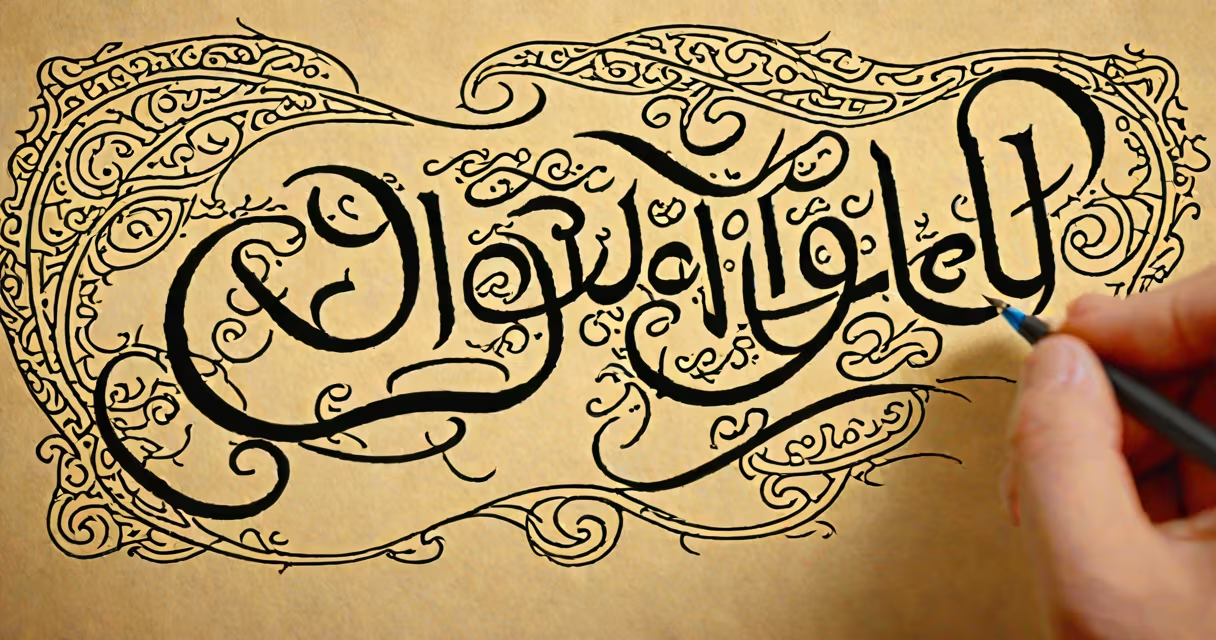
In Arabic, "son" is most commonly translated as "ابن" (pronounced ibn). This word appears in both formal and colloquial speech across the Arab world and is used in religious, familial, and legal contexts.
The term "ابن" derives from the Semitic root ب ن و (b-n-w), which relates to lineage and descent. It appears in classical Arabic texts, including the Quran, where it denotes biological and spiritual kinship. For example, Surah Al-Baqarah (2:30) references "sons of Adam" using this root.
Modern Standard Arabic (MSA), the standardized form taught in schools and used in media, consistently uses "ابن" for "son." Regional dialects may alter pronunciation slightly but retain the same core word. In Egyptian Arabic, it's pronounced "ebn"; in Levantine Arabic, "ibn"; and in Gulf Arabic, "ibn" with a softer 'b' sound.
"ابن" functions as a noun and typically follows the subject in Arabic syntax. It is gender-specific and always masculine. The word never changes form to indicate plurality-instead, pluralization occurs through context or added numerals.
For example: - "هو ابن مُحَمَّد" (Huwa ibn Muhammad) - "He is Muhammad's son." - "لدي ثلاثة أولاد، اثنان منهم أولاد" (Ladi thalatha awlad, ithnan minhum ibn) - "I have three children, two of them are sons."
When used in family naming conventions, "ابن" often precedes the father's name. In formal documents, such as birth certificates or passports, the structure "ابن [father's name]" appears directly after the child's name. This reflects the patrilineal tradition common in many Arab cultures.
While "ابن" remains consistent in MSA, regional variations affect pronunciation and usage. These differences stem from phonological shifts in spoken dialects rather than changes in meaning.
| Dialect Region | Pronunciation | Common Usage Example |
|---|---|---|
| Egyptian Arabic | ebn | "إيه يا إبن حرام!" (Eih ya ebn harām!) - "Hey you, son of a thief!" (used playfully) |
| Levantine (Syria, Lebanon, Palestine) | ibn | "الابن الكبير يدرس في الجامعة" (Al-ibn al-kabīr yudris fi al-jāmi'a) - "The eldest son studies at university." |
| Gulf (Saudi Arabia, UAE) | ibn | "ابني يحب كرة القدم" (Ibnī yuhibbu kurrat al-qadam) - "My son loves football." |
| Moroccan Darija | ben | "Beni m3a l-3am" (Beni ma3a l-3am) - "My son is with me" (spoken). |
A key distinction lies in the use of "ابن" versus "ولد" (walad), which also means "son" but is more informal and often associated with youth or childhood. "ولد" is frequently used in spoken Arabic, especially in casual conversation or storytelling. However, "ابن" remains the preferred term in official documents, religious texts, and formal speech.
Non-native speakers often confuse "ابن" with "ابنة" (ibna), which means "daughter." The feminine suffix -ة (ta marbuta) changes the gender entirely. Misusing this form leads to clear misunderstandings-especially in legal or medical settings.
Another frequent error is mispronouncing the initial "ا" (alif) as a long "a" sound. The correct pronunciation begins with a short "i" sound, similar to "ee" in "see," followed by a soft "b" and a nasalized "n." The stress falls on the second syllable: ibn.
Learners sometimes assume that "ابن" can be used for adopted or stepchildren. While culturally acceptable in many communities, Arabic legal systems traditionally recognize biological lineage. Adoption is recognized in Islamic law, but the term "ابن" is reserved for blood relations unless explicitly stated otherwise.
Consider a scenario involving a family registration form in Saudi Arabia. The form requires the applicant to list their children's names and relationships. A man writes:
اسم الابن: سليمان بن محمد
Name of son: Sulaiman ibn Muhammad
This format follows the standard Arabic naming convention: given name, then "ibn" (son of), then father's name. The use of "ibn" here is not optional-it is required by national identity regulations.
In literature, the word appears in works like Naguib Mahfouz's *Children of Gebelawi*, where characters refer to their sons using "ابن" in dialogue. In one scene, a father says: "أنا أبي، وابني يُسَمِّي عَمْرًا" - "I am his father, and my son is named Omar." The structure reinforces familial roles within narrative context.
During Ramadan, religious sermons often reference "أبناء الله" (banū Allāh), meaning "sons of God," drawing on Quranic themes of divine kinship. Though metaphorical, the term still uses "ابن" to convey spiritual connection.
I once attended a wedding in Amman, Jordan, where the groom's father gave a speech. He began: "أنا فخور بابني، الذي يقف اليوم أمامنا كرجلٍ شجاع" - "I am proud of my son, who stands before us today as a brave man." The word "ابني" (abi) was used affectionately, emphasizing emotional and social significance beyond mere translation.
Understanding how to say "son" in Arabic involves more than memorizing a word. It includes grasping cultural norms, linguistic structure, and regional variation. "ابن" is not interchangeable with other terms like "ولد" or "ابنة," and its usage in formal contexts is strictly regulated.