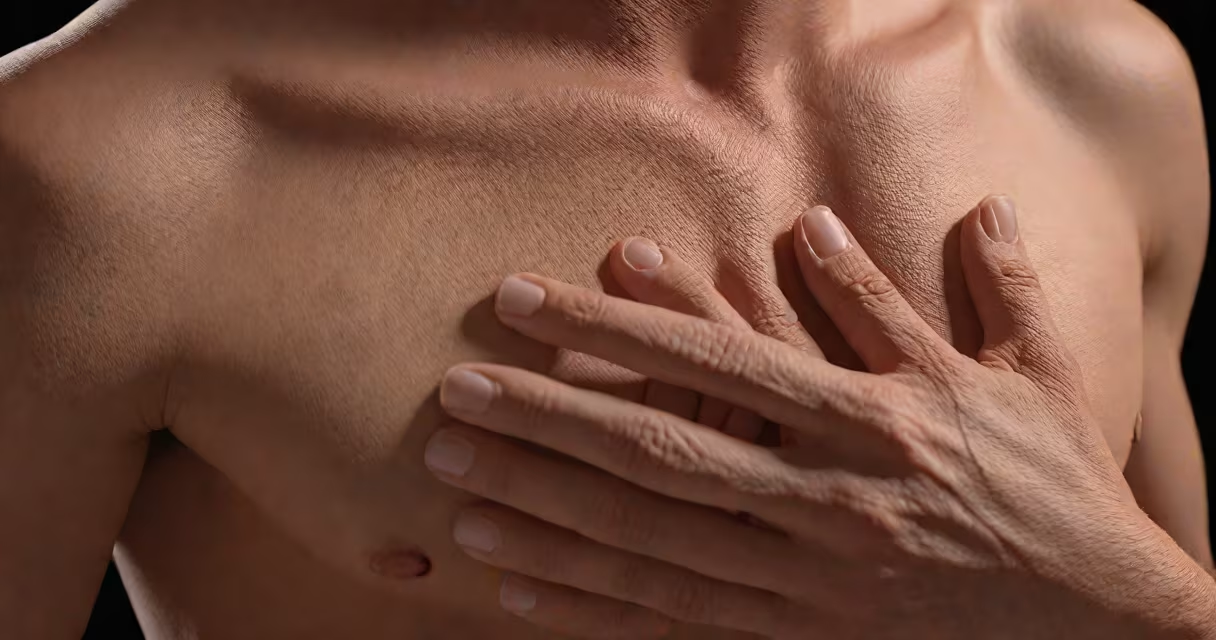
Chest hurts to inhale refers to sharp or stabbing pain in the chest that occurs specifically during inhalation, often localized to one side and worsened by deep breaths, coughing, or movement. This symptom can stem from musculoskeletal issues, lung conditions, or heart-related problems, though most cases are benign and resolve within days.
The sensation typically arises from irritation or inflammation of tissues involved in breathing. The rib cage, intercostal muscles between the ribs, pleura (lining around the lungs), or even the diaphragm can trigger pain when stretched or inflamed during inhalation. A sudden onset after physical exertion, a cold, or a minor trauma often points to a non-serious cause. However, persistent or worsening pain requires medical evaluation to rule out serious conditions.
According to the American College of Chest Physicians, about 15% of patients presenting with acute chest pain have musculoskeletal causes, such as costochondritis or strained intercostal muscles. These are common triggers for chest hurts to inhale and rarely indicate life-threatening issues. Still, because symptoms can mimic those of pulmonary embolism or myocardial infarction, accurate diagnosis is essential.
Inhalation expands the chest cavity. The diaphragm contracts downward, and the rib cage lifts upward. This motion stretches surrounding tissues. If any of these structures are inflamed, injured, or under pressure, stretching them during inhalation triggers pain signals to the brain.
Pain from costochondritis- inflammation of the cartilage connecting the ribs to the breastbone-often feels sharp and localized. It may worsen when lying on the side or pressing on the affected area. A study published in Respiratory Medicine found that 68% of patients with costochondritis reported pain during deep breathing, especially on the left side.
Pleuritic pain, caused by inflammation of the pleura, is another frequent source. The pleura normally glides smoothly during breathing. When inflamed-due to viral infections, pneumonia, or autoimmune conditions-the surfaces rub together, creating a sharp, catching sensation with each breath. This pain often improves when holding the breath or resting.
Not all chest hurts to inhale experiences are the same. The underlying cause determines location, quality, and associated symptoms.
| Type | Location | Pain Quality | Common Triggers | Typical Duration |
|---|---|---|---|---|
| Costochondritis | Front, center or left side of chest | Sharp, localized, worsens with touch | Repetitive movements, heavy lifting, recent cold | Days to weeks |
| Pleurisy | Side or back, often unilateral | Sharp, catching, worsens with deep breath | Viral infection, pneumonia, autoimmune disease | Hours to several days |
| Intercostal muscle strain | Along rib line, often right or left side | Dull to sharp, worsens with twisting or bending | Sudden twist, coughing, sports injury | 1-2 weeks |
| Pneumothorax | One side, sudden onset | Severe, sudden, may feel like a knife stab | Physical trauma, lung disease, spontaneous in young adults | Immediate, requires emergency care |
A key distinction often missed: pain from the lungs or pleura usually doesn't improve with rest or position changes. In contrast, musculoskeletal pain often shifts with posture or pressure. For example, leaning forward may reduce pleuritic pain, while pressing on the sternum can reproduce costochondritis pain.
Chest hurts to inhale is frequently dismissed as "just a pulled muscle," but this overlooks potentially serious causes. One non-obvious fact: pleuritic pain can occur without fever or cough. A 2021 study in JAMA Internal Medicine found that 30% of patients with pleurisy had no respiratory symptoms at onset.
Another misconception is that only heart attacks cause chest pain. While cardiac events typically involve pressure or tightness rather than sharp, breath-dependent pain, they can present atypically. The American Heart Association notes that women are more likely to report sharp, non-central chest pain during heart attacks, which can be misdiagnosed as musculoskeletal.
For example, a 34-year-old woman reported chest hurts to inhale after a weekend of yard work. She assumed it was a pulled muscle. After two days of worsening pain and shortness of breath, she sought care. Imaging revealed a small pneumothorax-collapsed lung-likely triggered by a minor trauma unnoticed at the time. Prompt treatment prevented complications.
If pain is mild, recent, and improves with rest, it may be musculoskeletal. Over-the-counter NSAIDs like ibuprofen, heat application, and avoiding movements that provoke pain can help. Most cases resolve in 7-10 days.
Seek immediate medical attention if pain is sudden, severe, or accompanied by:
Left-sided chest hurts to inhale can raise concern about heart issues. But true cardiac pain is usually dull, crushing, or pressure-like, not sharp or movement-specific. A 2020 review in Annals of Internal Medicine showed that only 2% of patients with left-sided chest pain and normal ECGs had undiagnosed heart disease.
Chest hurts to inhale is a symptom, not a diagnosis. Identifying the root cause ensures proper care. Most cases are manageable at home, but recognizing red flags prevents delays in treating serious conditions.
Understanding the mechanism behind the pain-how breathing stretches inflamed tissue-helps differentiate it from other chest sensations. If uncertainty remains, consulting a healthcare provider is the safest step.