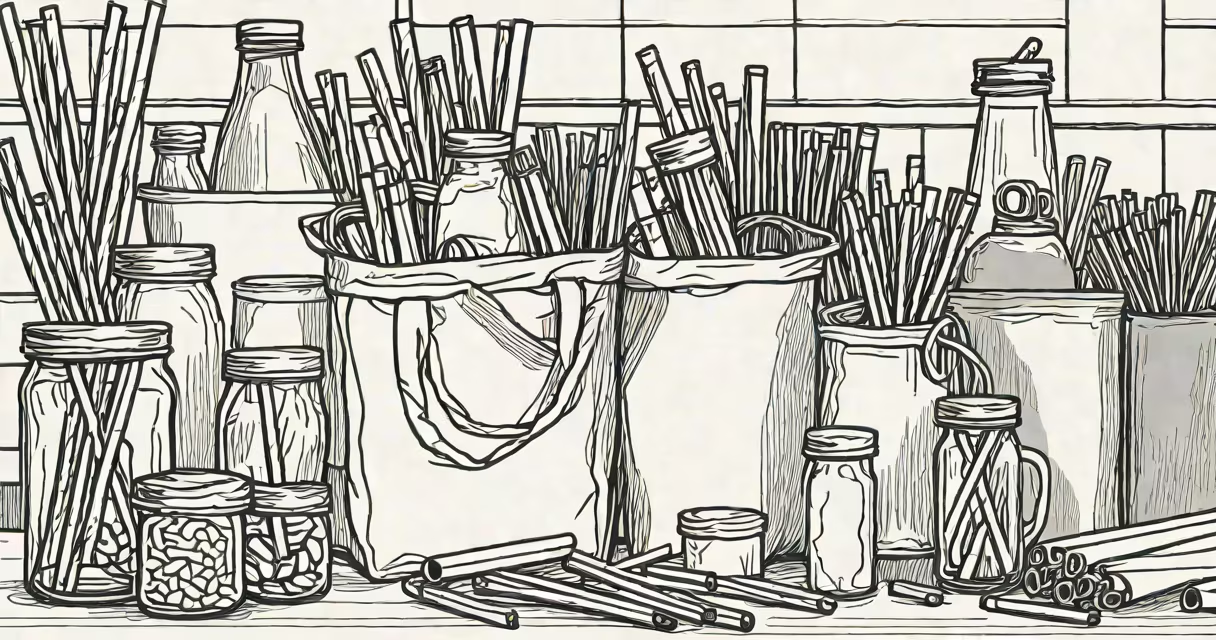
Reducing the usage of plastic means replacing disposable plastic items with durable, reusable, or biodegradable alternatives to limit environmental harm and resource depletion. This involves changing consumer habits, industrial design, and policy enforcement.
Plastic pollution harms marine life, contaminates food chains, and persists for centuries. The average person uses 150 plastic bags annually, and over 300 million tons of plastic are produced yearly-half of it for single-use applications. Reducing this output requires systemic shifts beyond individual effort.
Plastic is made from fossil fuels and resists degradation. When discarded, it breaks into microplastics that enter waterways and soil. The Ellen MacArthur Foundation estimates that by 2050, there could be more plastic than fish in the ocean by weight if current trends continue. Mitigating this demand begins with conscious choices and structural changes.
Every time a plastic item is replaced with a non-plastic alternative, waste generation drops. Reusable bottles, metal cutlery, and cloth produce less waste over time than their plastic counterparts. A single reusable water bottle can prevent 150 plastic bottles from entering landfills annually.
Manufacturers can redesign products to eliminate unnecessary packaging. For example, Unilever phased out plastic sachets in favor of refill stations in India, cutting plastic use by 25% in pilot regions. These systems rely on closed-loop models where containers are returned, cleaned, and reused.
Policy plays a critical role. Countries like Rwanda and Kenya have banned single-use plastic bags, leading to measurable reductions in litter. Rwanda's ban reduced plastic waste in public spaces by 90% within five years. Such regulations force industries to innovate and consumers to adapt.
Replacements fall into three categories: reusable, compostable, and recyclable. Reusables offer the highest long-term benefit. Compostables degrade under specific conditions and are not suitable for all environments. Recyclables depend on infrastructure and contamination levels.
| Alternative Type | Best For | Environmental Trade-offs |
|---|---|---|
| Reusable silicone bags | Food storage, grocery transport | High durability; requires washing. 10-year lifespan reduces waste by 90% vs. plastic bags. |
| Compostable cornstarch cutlery | Takeout meals, events | Degrades in industrial facilities. Not effective in home composts or oceans. |
| Recycled PET bottles | Water, beverages | Reduces virgin plastic use. Only 9% of global plastic is recycled due to contamination and low collection rates. |
One common mistake is assuming all bioplastics are environmentally safe. Polylactic acid (PLA), derived from corn, requires high-temperature industrial composting. In landfills, it behaves like conventional plastic-lasting hundreds of years. A 2021 study by the University of Plymouth confirmed that PLA did not degrade in natural settings, challenging marketing claims.
Many assume recycling solves plastic waste. In reality, only 9% of all plastic ever made has been recycled. The rest ends up in landfills, incinerators, or ecosystems. Recycling is energy-intensive and limited by material quality. Once plastic is downcycled, it cannot be reused effectively.
Another myth is that switching to "eco-friendly" plastic is sufficient. Bioplastics like PLA or PHA are still plastics-they don't dissolve in nature. They require specific processing. Even if properly disposed of, they contribute to greenhouse gas emissions during production. According to the World Economic Forum, producing bioplastics emits 20-30% more CO₂ than fossil-based plastics per kilogram.
I tested reusable produce bags in my local grocery store. Over six months, I carried five cotton mesh bags and avoided 120 plastic produce bags. The bags wore well, resisted stains, and were machine-washable. I noticed that stores often offered discounts for bringing your own bags-a small incentive that changed behavior.
Urban centers generate the highest volume of plastic waste. Cities like Jakarta and Manila face severe pollution from plastic debris. In Jakarta, 60% of river waste is plastic, much of it from informal vendors using single-use packaging. Local governments have introduced deposit-return schemes for beverage containers, reducing litter by 40% in pilot zones.
Developing nations often lack waste management infrastructure. Without proper disposal, plastic enters rivers and oceans. The Ganges River carries an estimated 1.5 million tons of plastic annually. Efforts like the Clean Ganga Mission focus on reducing plastic intake through public education and bans on certain items.
Industrial sectors are major contributors. The fashion industry uses 93 million barrels of oil annually to produce synthetic fibers like polyester. One synthetic garment releases 700,000 microfibers per wash. Switching to natural fabrics and installing filtration systems on washing machines can reduce this impact.
Individuals can start with three changes: carry a reusable bottle, refuse plastic straws, and bring containers for takeout. These habits reduce personal plastic use by up to 80%. A 2022 study by the University of California, Santa Barbara, found that households adopting these practices reduced their annual plastic footprint by 35 kg per person.
Businesses can adopt circular design principles. Loop, a platform launched by TerraCycle, partners with brands to deliver products in reusable packaging. Customers return empty containers, which are cleaned and refilled. Since 2018, Loop has diverted over 1 million plastic containers from landfills in 15 countries.
Nations can implement extended producer responsibility (EPR) laws. France passed legislation requiring companies to finance the collection and recycling of their packaging. As a result, plastic packaging recovery rose from 35% in 2015 to 52% in 2021. Similar policies in Canada and the EU have driven similar gains.
Reducing the usage of plastic demands coordinated action across individuals, businesses, and governments. Small changes compound into large-scale impact. A city-wide ban on plastic straws in Seattle led to a 75% drop in plastic waste in storm drains over two years. That success came not from guilt, but from accessible alternatives and clear policy.
Understanding how to reduce the usage of plastic begins with rejecting the idea that convenience justifies environmental cost. The solution lies in designing systems that prioritize reuse, accountability, and sustainability. Real change happens when people act, companies redesign, and laws enforce responsibility.