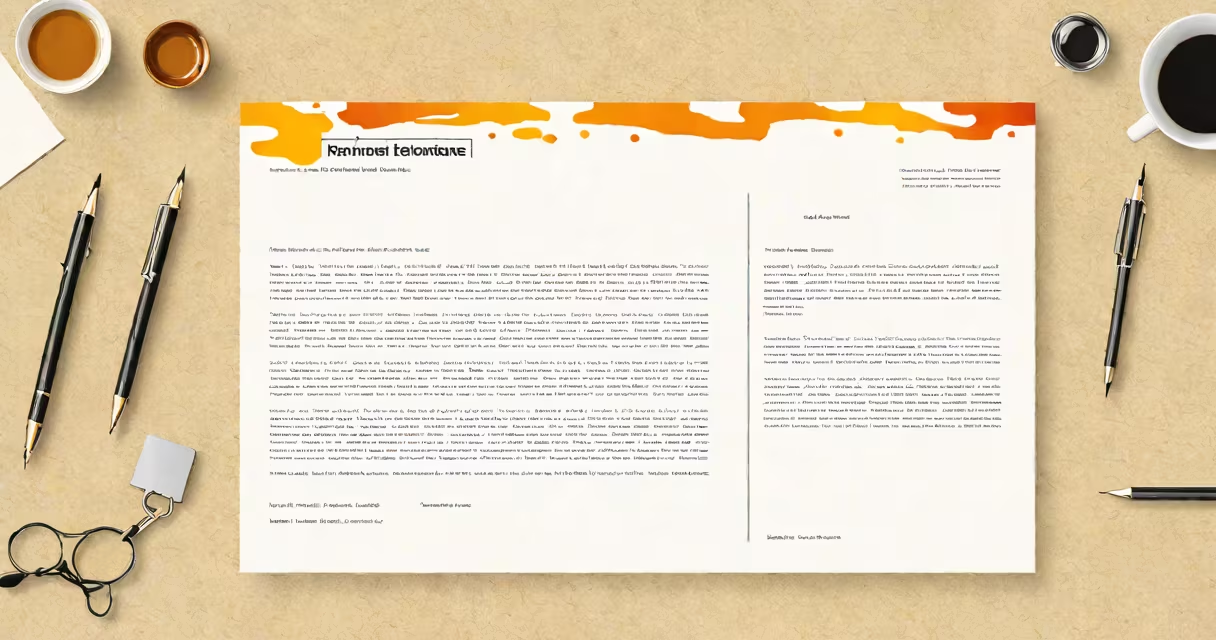
A reference letter template for employee is a pre-formatted document that outlines key sections-such as role, duration, performance, and personal qualities-to help employers quickly write a credible, professional letter verifying an employee's work history and character.
These templates standardize content flow, reduce drafting time, and ensure essential details aren't omitted. They're used by managers, HR professionals, and supervisors to support former or current employees applying for new jobs, promotions, or academic programs.
According to the Society for Human Resource Management (SHRM), 86% of hiring managers rely on written references during recruitment. A well-structured template improves consistency and reduces liability risks tied to vague or inconsistent statements.
When you use a reference letter template for employee, you fill in placeholders with specific facts about the individual. The structure guides you through essential components: introduction, employment context, responsibilities, achievements, interpersonal strengths, and a formal endorsement.
For example, a manager might use a template to write:
"Jane Doe was employed as a Senior Project Coordinator at TechNova Inc. from January 2020 to June 2023. She managed cross-functional teams of up to 12 members, consistently delivered projects under budget and ahead of schedule, and maintained a 98% client satisfaction rate."
The template ensures the letter stays focused, avoids legal misstatements, and maintains a professional tone. It prevents omissions like missing dates or unclear job titles, which can weaken credibility.
Reference letter templates vary based on purpose and audience. Common types include:
| Type | Purpose | Key Elements |
|---|---|---|
| Employment Verification | Confirm job title, dates, and status for background checks | Job title, start/end dates, employment status, basic duties |
| Performance-Based | Show achievements, leadership, and impact | Specific accomplishments, metrics, team leadership, initiative |
| Character/Personal Reference | Support applications requiring personal traits (e.g., grad school) | Work ethic, integrity, communication, reliability |
Each template includes a formal salutation, a clear subject line, and a closing with contact information. The body uses active verbs-"led," "implemented," "achieved"-to convey authority and specificity.
One non-obvious requirement: avoid generic praise. The U.S. Department of Labor advises against vague language like "hard worker" or "good person." Instead, state measurable outcomes: "reduced processing time by 30%" or "trained 15 new hires."
Many people assume a reference letter template for employee is interchangeable with a resume or cover letter. It is not. A resume summarizes past roles; a reference letter provides third-party validation of performance and behavior.
Another confusion: thinking templates allow copying without customization. This leads to errors. For example, using a template for a software developer to describe a retail associate's duties results in mismatched expectations and reduced credibility.
I once reviewed a reference letter where the template had been filled with stock phrases like "excellent team player" and "dedicated to excellence." The letter failed to mention actual projects or responsibilities. The applicant was rejected-not because of their qualifications, but due to lack of specificity. A properly customized template avoids this.
Suppose Sarah Chen left your company as a Marketing Manager after three years. You're asked to provide a reference. Using a template, you'd complete:
This structure delivers clarity, supports the candidate, and protects the writer from liability. It takes less than 15 minutes to adapt a template to this detail level.
Employers use a reference letter template for employee when a former or current employee requests a letter for a new job, scholarship, visa application, or certification. It's especially common in regulated fields like healthcare, finance, and education, where documentation standards are strict.
For example, a university admissions committee may require a letter from a supervisor confirming research experience. A template ensures the letter meets institutional formatting and content expectations.
Using a template also helps maintain fairness. Without one, letters vary widely in tone and completeness. A standardized format promotes consistency across departments and reduces bias in evaluations.
Always obtain consent before writing a reference letter. The U.S. Equal Employment Opportunity Commission (EEOC) warns that providing a negative reference without notice can lead to legal challenges.
Use a template only as a starting point. Replace placeholders with real data. Avoid jargon unless the recipient understands it. Keep the letter to one page-most hiring managers skim.
Include your full name, title, organization, phone number, and email. This adds authenticity. A letter without contact details is often dismissed as unverifiable.
Always review the final version for accuracy. A single typo in a name or date can undermine the entire letter's credibility.
A reference letter template for employee streamlines the process of verifying someone's work history and character. It ensures consistency, saves time, and strengthens the validity of the endorsement. Use it correctly-with real details, proper consent, and a professional tone-and it becomes a useful tool in career advancement.