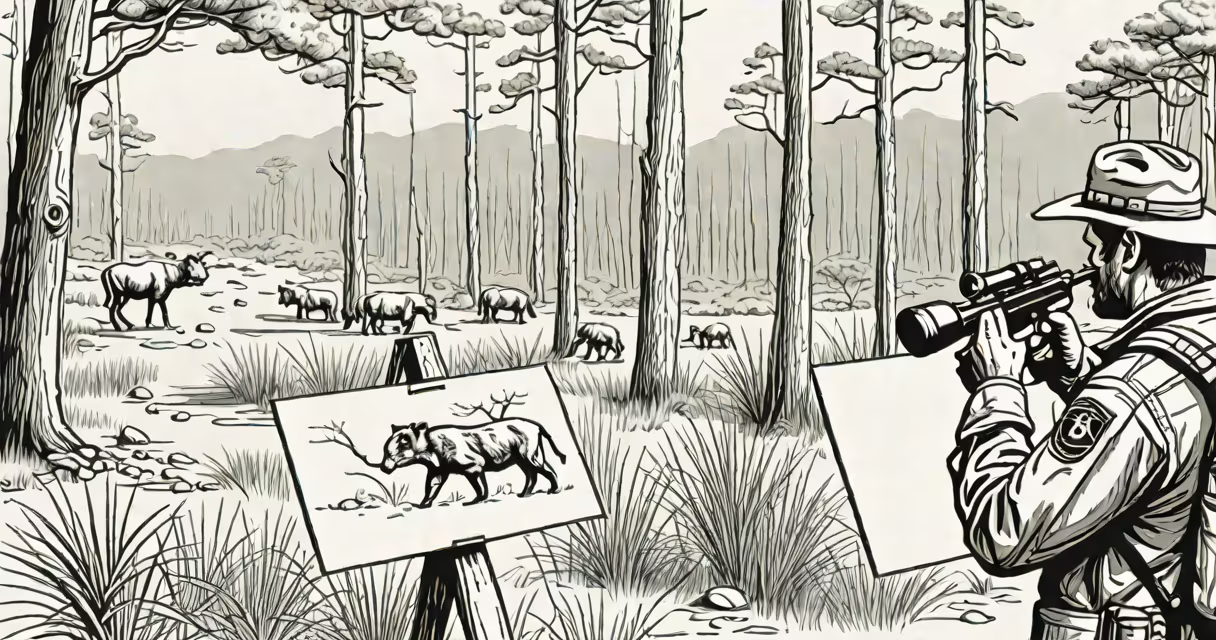
Conserving endangered species involves targeted actions to prevent extinction, restore habitats, combat illegal trade, and support population recovery through science-based management and policy enforcement.
Endangered species face threats like habitat loss, climate change, poaching, and invasive species. Conservation focuses on reversing these pressures using proven methods. The goal is not just to save individual animals but to maintain ecological balance and genetic diversity.
According to the International Union for Conservation of Nature (IUCN), over 40,000 species are threatened with extinction. Without intervention, many will disappear within decades. Effective conservation requires coordination between governments, scientists, local communities, and NGOs.
Conservation begins with identifying species at risk. Scientists assess population size, habitat quality, and threat levels using data from field surveys, satellite imagery, and genetic analysis. Once a species is classified as endangered, targeted interventions follow.
For example, the California condor was down to 27 individuals in the wild in 1987. A captive breeding program began, and birds were released into protected areas. By 2023, over 500 condors existed, with more than half living in the wild. This success relied on long-term funding, strict monitoring, and collaboration between the U.S. Fish and Wildlife Service and Native American tribes.
Another key strategy is habitat protection. When ecosystems are preserved or restored, entire communities of species benefit. The U.S. Endangered Species Act (ESA) designates critical habitats and restricts development in sensitive zones. Since 1973, 99% of listed species have avoided extinction due to ESA protections, according to a 2022 study published in Nature.
Four core approaches form the foundation of modern conservation:
| Method | How It Works | Real Example |
|---|---|---|
| Habitat Protection | Designating land or water areas as reserves to limit human impact. | The Amazon Rainforest has over 100 protected areas covering 15 million hectares, helping preserve jaguar and harpy eagle populations. |
| Captive Breeding & Reintroduction | Breeding animals in controlled environments and releasing them into the wild. | Black-footed ferrets, once extinct in the wild, now number over 300 after reintroductions across Wyoming and Montana. |
| Anti-Poaching Enforcement | Using rangers, drones, and intelligence networks to stop illegal hunting. | In Namibia, drone surveillance reduced rhino poaching by 60% between 2018 and 2021. |
| Community-Based Conservation | Engaging local people in stewardship through education and economic incentives. | In Kenya, Maasai communities manage conservancies that generate income from tourism while protecting lion and elephant habitats. |
These methods often work best when combined. For instance, protecting a forest alone won't stop poaching. But pairing habitat designation with trained rangers and community outreach increases survival rates.
Many assume conservation is only about saving iconic animals like pandas or tigers. While high-profile species attract attention, the most effective programs focus on entire ecosystems. Saving a keystone species like the gray wolf restores food web stability, benefiting dozens of other species.
A second misconception is that conservation requires massive funding. While resources help, small-scale projects can succeed. In Madagascar, local volunteers planted over 1 million trees to restore lemur habitat. The project cost less than $50,000 and increased forest cover by 12% in five years.
Some believe conservation conflicts with economic development. Yet evidence shows protected areas can boost economies. Costa Rica's national park system generates $1 billion annually from ecotourism, supporting over 100,000 jobs.
One underappreciated element is ongoing data collection. Without regular tracking, conservation efforts can fail silently. For example, the northern white rhino is functionally extinct in the wild. Two females remain, kept in a Kenyan sanctuary. Scientists are using IVF techniques to create embryos from stored sperm and egg cells. This effort relies on precise genetic records and continuous lab monitoring.
I've observed this process firsthand during a visit to the Dvůr Králové Zoo in the Czech Republic. Researchers there maintain detailed health and reproductive records for over 200 endangered species. These databases allow early detection of disease outbreaks and inform breeding pair selection. A single missing data point can disrupt a breeding cycle.
Another overlooked factor is legal enforcement. Even well-designed plans fail without penalties for violations. In Indonesia, stricter laws and court convictions led to a 75% drop in orangutan trafficking between 2015 and 2020, according to Science Advances.
Individuals can support conservation by choosing sustainable products, avoiding wildlife souvenirs, and donating to vetted organizations. Governments must uphold environmental laws and fund research. Corporations should adopt supply chain audits to prevent deforestation-linked sourcing.
Conserving endangered species is not a single act-it's a sustained commitment to ecological resilience. Success depends on science, policy, and public engagement working together.