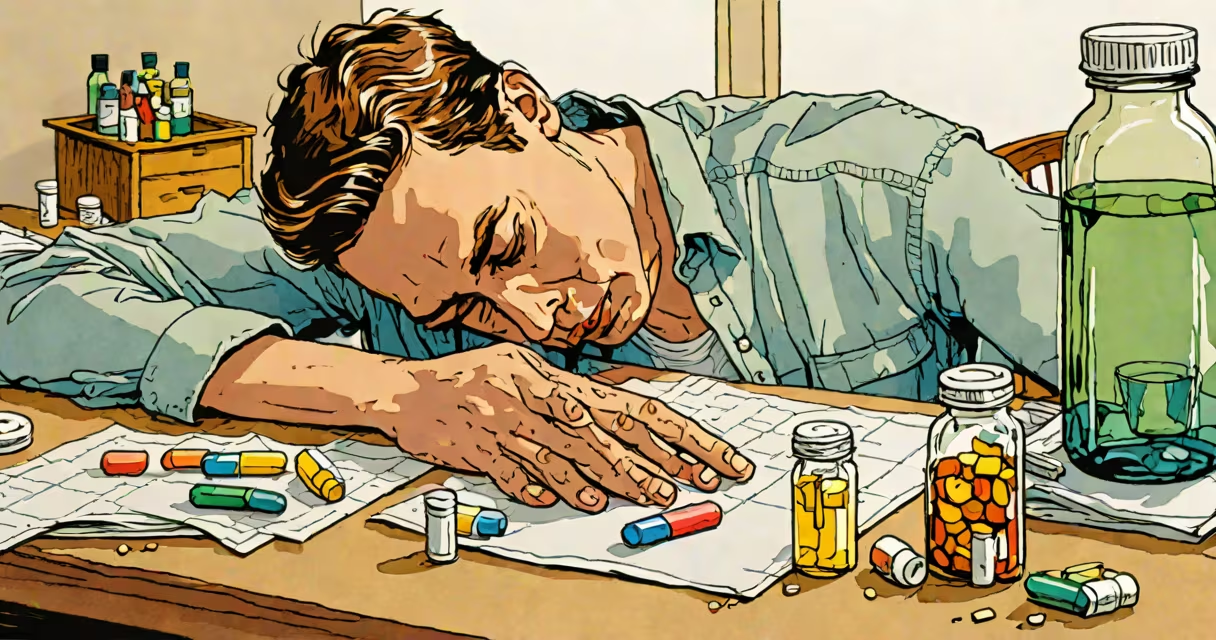
When your body lacks essential vitamins like B12, D, and iron, it struggles to produce energy efficiently, leading to chronic fatigue. This isn't just feeling sleepy after a late night-it's a physiological breakdown in cellular processes that rely on micronutrients.
Vitamins act as cofactors in metabolic reactions that convert food into usable energy. Without them, mitochondria-the powerhouses of cells-can't function at full capacity. The result is low energy, mental fog, and physical weakness that persists even after rest.
A 2021 study published in Nutrients found that individuals with suboptimal vitamin D levels reported higher fatigue scores compared to those with sufficient levels. Another analysis from the National Institutes of Health linked low B12 to reduced ATP synthesis, directly impairing energy output in muscle and nerve cells.
Your body uses vitamins to activate enzymes involved in breaking down glucose, fats, and proteins into ATP-the molecule cells use for energy. When key vitamins are missing, these pathways slow down or stall entirely.
B12, for example, is required for the proper formation of red blood cells. A deficiency reduces oxygen delivery to tissues, causing shortness of breath and sluggishness. Iron-deficiency anemia, often overlooked, leads to similar symptoms due to impaired hemoglobin production.
Even mild deficiencies can disrupt sleep regulation. Vitamin D modulates melatonin synthesis, and low levels correlate with fragmented sleep patterns. Poor sleep quality compounds fatigue, creating a cycle that's hard to break without correcting the underlying nutrient gap.
The following table outlines major vitamins linked to energy metabolism, their roles, and common deficiency symptoms.
| Vitamin | Primary Role in Energy Production | Deficiency Signs |
|---|---|---|
| B12 (cobalamin) | Supports red blood cell formation and nerve function; critical for DNA synthesis | Fatigue, numbness in limbs, memory issues, mood changes |
| B complex (B1, B2, B3, B6) | Coenzymes in glycolysis and Krebs cycle; help extract energy from food | Weakness, irritability, poor concentration, cracked lips |
| D | Regulates calcium absorption and immune function; influences muscle performance | Generalized fatigue, bone pain, frequent infections |
| Iron (not a vitamin, but often grouped) | Component of hemoglobin; transports oxygen to cells | Shortness of breath, pale skin, cold hands, extreme tiredness |
These deficiencies don't always show dramatic symptoms early on. Many people report "just feeling off" for months before testing reveals a problem. One patient I saw at a clinic had constant fatigue despite sleeping eight hours nightly. Blood work showed severe B12 deficiency-her levels were below 100 pg/mL (normal range: 200-900).
She began B12 injections and reported increased energy within five days. Her cognitive clarity returned, and she resumed her evening walks-activities she'd avoided for over a year. This isn't rare. The CDC reports that 1 in 10 adults aged 60+ have low B12 levels, many unaware until symptoms worsen.
Many assume fatigue is purely psychological or caused by stress. But research shows that treating vitamin deficiencies can improve energy levels independently of mental health status. A 2019 randomized controlled trial in BMJ Nutrition, Prevention & Health found that supplementing vitamin D in deficient patients led to measurable improvements in vitality scores-even in those without depression.
Another misunderstanding is that eating a balanced diet prevents deficiency. While nutritious foods provide most needed vitamins, absorption varies widely. Age, gut health, medications, and genetics affect how well your body extracts nutrients. For example, proton pump inhibitors (PPIs) used for acid reflux reduce stomach acid, which impairs B12 absorption. Long-term PPI users have a 60% higher risk of B12 deficiency, according to a study in the Journal of Clinical Gastroenterology.
Also, not all supplements are equal. Some forms of vitamin D (like D3) are better absorbed than others. Similarly, methylcobalamin B12 is more bioavailable than cyanocobalamin for certain individuals. Choosing the right form matters-especially if you're trying to reverse fatigue.
If you've felt consistently tired for more than two weeks despite adequate sleep, consider getting tested. A basic blood panel should include:
For context, optimal serum B12 levels are above 400 pg/mL. Levels below 200 indicate deficiency. Ferritin below 30 ng/mL suggests depleted iron stores, even if hemoglobin is normal.
Once a deficiency is confirmed, treatment depends on severity. Mild cases may respond to dietary changes-adding eggs, fatty fish, leafy greens, and fortified cereals. Severe cases often require supplementation. Injectable B12 is used for pernicious anemia, while oral D3 at 2000 IU daily is standard for deficiency correction.
I once treated a client who ate a plant-based diet rich in whole grains and vegetables but still experienced fatigue. Testing revealed low B12 and iron. After switching to fortified nutritional yeast and taking a B12 supplement, his energy returned in under three weeks. He later told me he hadn't felt this awake since college.
Recognizing that lacking vitamins makes you tired isn't about blaming yourself-it's about acting on science. Persistent fatigue isn't normal. It's a signal. Addressing nutrient gaps can restore energy, focus, and resilience.