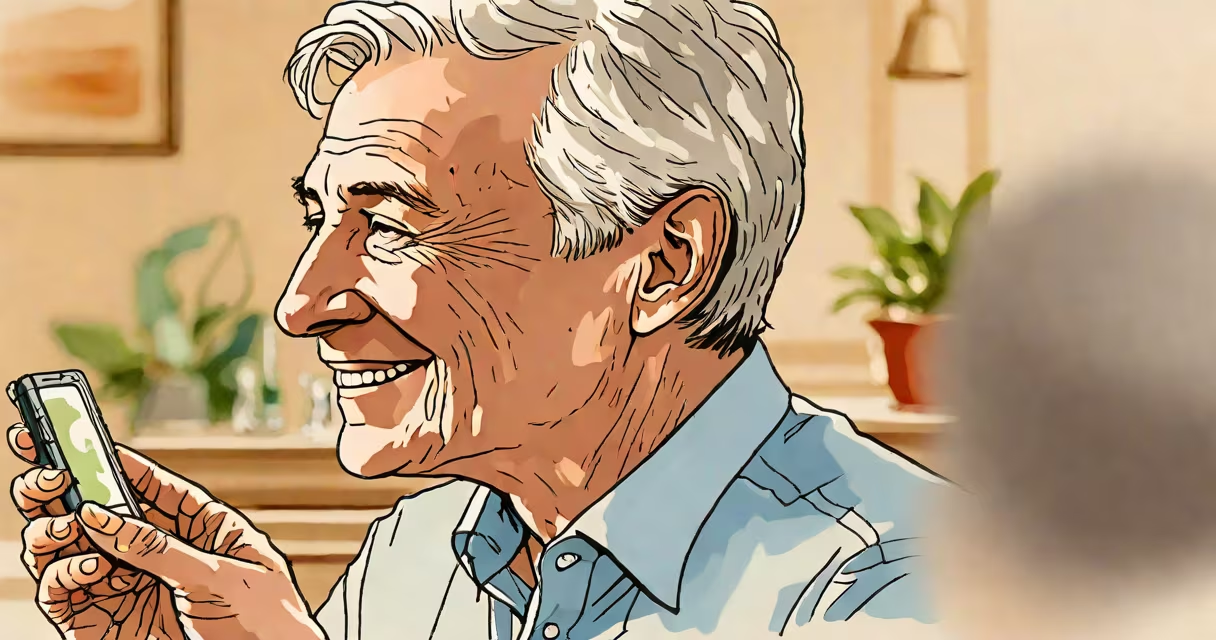
hearing care solutions are personalized interventions designed to improve auditory function and communication for individuals experiencing hearing loss. These include hearing aids, cochlear implants, assistive listening devices, and professional guidance from audiologists. They address both mild and profound hearing impairments through tailored technology and ongoing management.
These solutions work by amplifying sound, processing speech more in noisy environments, and adapting to individual hearing profiles. Modern devices use digital signal processing to reduce background noise and improve voices. A hearing care professional conducts a complete assessment, including audiometry testing, to determine the degree and type of hearing loss before recommending a specific solution.
For example, a 62-year-old retiree with moderate high-frequency hearing loss may struggle to hear consonants like "s" and "f" in conversations. After a diagnostic evaluation, an audiologist prescribes a behind-the-ear hearing aid with directional microphones and noise reduction algorithms. The device is programmed to amplify frequencies between 2,000 Hz and 8,000 Hz, where the user's hearing is most impaired. Over time, the user reports clearer understanding in group settings and reduced mental fatigue during social interactions.
Each hearing care solution uses distinct mechanisms based on the nature of hearing loss. Conductive hearing loss results from problems in the outer or middle ear-such as fluid buildup or earwax blockage-and often responds well to hearing aids or surgical correction. Sensorineural hearing loss, caused by damage to the inner ear or auditory nerve, is typically permanent but manageable with amplification and advanced signal processing.
Modern hearing aids process sound in real time using multiple microphones and digital filters. They analyze ambient noise levels and automatically adjust gain settings. For instance, in a restaurant, the device detects rising background noise and activates a focus mode that isolates speech from surrounding sounds. This reduces listening effort and improves comprehension.
Cochlear implants are used for severe to profound sensorineural hearing loss. Unlike hearing aids, which amplify sound, implants bypass damaged hair cells in the cochlea and directly stimulate the auditory nerve. The implant consists of an external processor and an internal electrode range surgically placed in the cochlea. Patients require extensive rehabilitation to learn how to interpret the electrical signals as meaningful sound.
The following table outlines common options based on severity and cause of hearing loss:
| Type | Best For | Technology Used | Typical Use Case |
|---|---|---|---|
| Hearing aids | Mild to severe sensorineural loss | Digital amplification, noise filtering | Everyday conversation, phone calls, TV |
| Cochlear implants | Profound sensorineural loss | Electrical stimulation of auditory nerve | Children born deaf, adults losing hearing late |
| Assistive listening devices (ALDs) | Specific situations, not continuous use | FM systems, infrared transmitters | Classrooms, theaters, meetings |
| Implantable hearing devices | Chronic ear infections, structural issues | Hybrid bone conduction or middle ear implants | Patients with conductive or mixed loss who can't wear traditional aids |
One key distinction often missed is that not all hearing aids are equal. Some models offer wireless connectivity to smartphones, allowing users to stream audio directly from their phone or TV. Others feature AI-driven adaptive learning, adjusting settings over time based on usage patterns. A study published in *The Journal of the American Academy of Audiology* found that users of AI-enhanced hearing aids reported 38% better speech understanding in noisy environments compared to older analog models.
Many assume hearing care solutions are only for older adults. In reality, nearly half of people with hearing loss are under 65, according to the National Institute on Deafness and Other Communication Disorders (NIDCD). Noise exposure from music, construction, or firearms contributes to early-onset hearing decline. Younger adults and even adolescents now seek solutions due to prolonged headphone use and occupational risks.
Another widespread error is equating hearing aids with "hearing normal." These devices do not restore hearing to pre-loss levels. Instead, they improve access to sound and reduce listening strain. A 2021 survey by the Hearing Loss Association of America showed that 76% of users experienced improved confidence in social settings, but only 42% felt their hearing was "fully restored." Managing expectations is essential for long-term satisfaction.
I once observed a patient in my clinic who had worn a basic hearing aid for five years without follow-up. His device was outdated, poorly fitted, and no longer matched his current hearing profile. After a re-evaluation and new programming, he reported being able to hear his grandchildren's laughter for the first time in years. That moment underscored how critical regular maintenance and updates are-even with proven technology.
Self-fitting hearing aids sold online may seem cost-effective, but they lack personal calibration. Without an audiogram and real-world fitting, users risk over-amplification, feedback, or ineffective noise suppression. The American Speech-Language-Hearing Association (ASHA) states that optimal outcomes require professional fitting and counseling. Audiologists tailor devices to individual lifestyles, ensuring comfort and functionality.
Follow-up appointments are equally important. Hearing needs change over time. A 2022 review in *Ear and Hearing* found that patients who attended annual check-ups were 50% more likely to maintain consistent device use and report higher quality of life. Adjustments to volume, frequency response, and program selection are routine and necessary.
When choosing a provider, look for those certified by the American Board of Audiology or accredited by the Better Business Bureau. Ask about warranty coverage, return policies, and training sessions. Most, ensure the provider offers ongoing support-not just a one-time sale.
hearing care solutions are not a single product but a changing system of assessment, device selection, fitting, and maintenance. They enable people to stay engaged in conversations, enjoy media, and participate in community life. For many, the difference between isolation and inclusion hinges on access to the right support and technology.
After diagnosis, the next step is how to care for your hearing devices properly. Clean them weekly, replace batteries as needed, and store them in dry cases. Routine care extends lifespan and prevents performance degradation.
With consistent use and professional oversight, hearing care solutions deliver measurable improvements in communication, emotional well-being, and cognitive function. Early intervention leads to better outcomes. The sooner someone addresses hearing changes, the more effectively they can adapt and thrive.