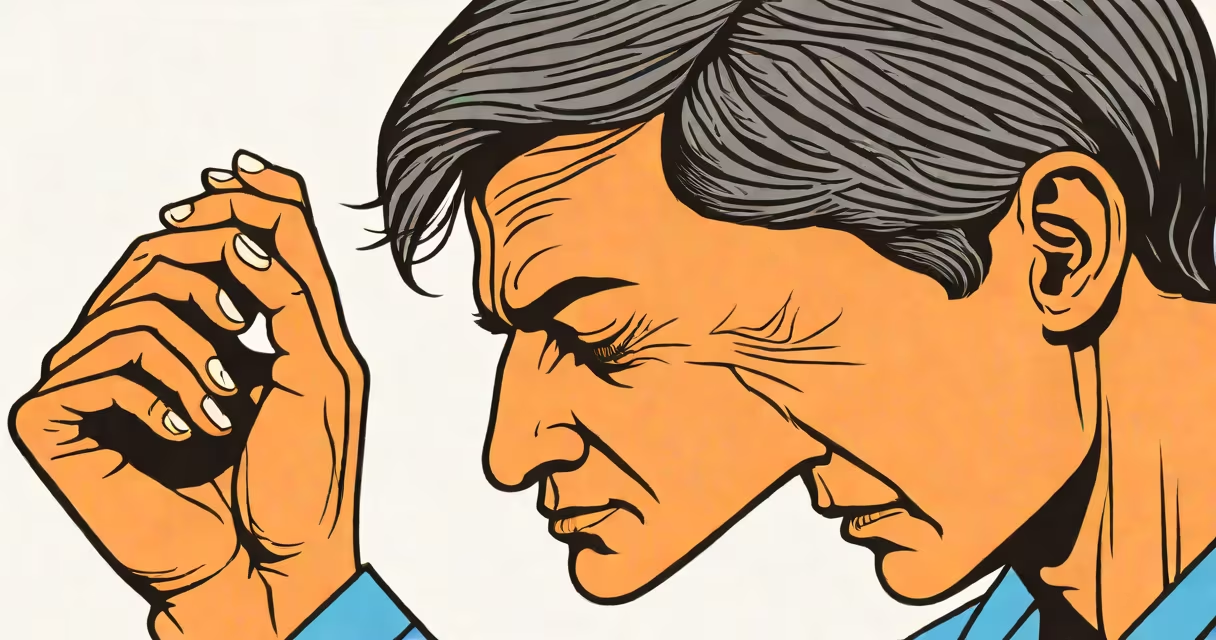
A headache on one side of the head is typically caused by migraines, cluster headaches, or less commonly, tension-type headaches with referred pain patterns. These conditions involve distinct neurological triggers and symptom profiles, requiring different approaches to diagnosis and treatment.
Migraines account for about 12% of all headaches globally, according to the World Health Organization (WHO), and frequently present as pulsating pain on one side of the head. They often come with nausea, sensitivity to light and sound, and can last between 4 and 72 hours. Cluster headaches, though rarer-occurring in about 0.1% of the population-cause severe, stabbing pain around one eye or temple, often waking people from sleep. The International Classification of Headache Disorders (ICHD-3) recognizes both as primary headache disorders, meaning they're not symptoms of another condition.
One key distinction many overlook: migraines may start on one side but spread to both sides during an attack. Cluster headaches, however, remain strictly unilateral and occur in cycles lasting weeks or months, followed by remission periods. A 2021 study in Cephalalgia found that 86% of cluster headache patients reported pain localized to one side, with no crossover to the opposite side during attacks.
The brain's trigeminal nerve system plays a central role in generating unilateral headaches. When activated, it releases inflammatory substances around blood vessels and nerves in the head, leading to pain. In migraines, cortical spreading depression-a wave of electrical activity across the brain's surface-is believed to initiate the process. This phenomenon is detectable via functional MRI scans, which show changes in brain activity minutes before pain begins.
Cluster headaches involve the hypothalamus, a region regulating circadian rhythms. This explains why attacks often happen at the same time each day or year. Research published in Nature Reviews Neurology confirms that cluster headache patients show increased metabolic activity in the posterior hypothalamus during attacks, suggesting a strong biological basis tied to internal clocks.
For tension-type headaches, one-sided presentation is uncommon unless muscle tension is asymmetrical due to posture, jaw clenching, or neck strain. A 2019 review in Pain Medicine noted that only 15% of tension-type headache cases report lateralized pain, and even then, it's usually mild and diffuse rather than sharp or throbbing.
Not all one-sided headaches are the same. The following table outlines key differences:
| Type | Onset Speed | Pain Quality | Duration | Common Triggers |
|---|---|---|---|---|
| Migraine | Gradual (minutes to hours) | Pulsating, moderate to severe | 4-72 hours | Stress, certain foods, hormonal shifts |
| Cluster Headache | Sudden (within minutes) | Severe, piercing, burning | 15-180 minutes | Alcohol, smoking, high altitude |
| Tension-Type (unilateral) | Slow, progressive | Dull, pressure-like | 30 mins-7 days | Neck strain, poor posture |
Many patients mistake cluster headaches for dental pain or sinus issues. A 2020 survey in Headache Journal showed that 62% of cluster sufferers visited a dentist before receiving a correct diagnosis. The pain often radiates to the jaw or teeth, mimicking toothache. Similarly, migraines can be mislabeled as "sinus headaches," despite evidence that true sinus infections rarely cause unilateral throbbing pain.
One non-obvious fact: unilateral headaches linked to temporal arteritis-rare but serious-present with new-onset pain on one side, especially in adults over 50. This condition involves inflammation of arteries supplying the scalp and eyes. If untreated, it can lead to vision loss. The American Academy of Neurology advises testing for elevated erythrocyte sedimentation rate (ESR) or C-reactive protein (CRP) in older adults with new one-sided headaches.
Seek immediate medical attention if the headache is sudden, severe, and unlike any you've had before-especially if accompanied by fever, confusion, weakness, or vision changes. These signs may indicate a stroke, brain tumor, or infection. The National Institute of Neurological Disorders and Stroke (NINDS) lists "thunderclap" headaches-peaking within one minute-as red flags requiring emergency imaging.
I once observed a patient who described a sharp, one-sided headache that began while he was shaving. He assumed it was a sinus issue until he developed drooping on one side of his face. An MRI revealed a brainstem stroke. His initial symptoms were subtle, but the unilateral nature of the pain helped narrow the differential diagnosis.
For chronic or recurring one-sided headaches, tracking symptoms in a diary improves diagnostic accuracy. Note timing, duration, location, intensity, and associated symptoms like nausea or aura. This data helps clinicians differentiate between migraine subtypes and rule out secondary causes such as brain tumors or vascular malformations.
Acute treatment varies by type. Migraines respond well to triptans (e.g., sumatriptan), which constrict blood vessels and block pain pathways. Cluster headaches require oxygen therapy (15 liters/min via non-rebreather mask) or intranasal sumatriptan for rapid relief. Preventive medications like verapamil are used long-term for cluster prevention.
Non-drug strategies include biofeedback, cognitive behavioral therapy (CBT), and lifestyle modifications. A 2022 randomized controlled trial in JAMA Neurology found that CBT reduced migraine frequency by 40% in participants who completed 8 weekly sessions. For cluster headaches, maintaining a consistent sleep schedule and avoiding alcohol during cluster cycles reduces attack frequency.
Understanding the specific characteristics of a headache on one side of the head-its onset, quality, and pattern-helps identify whether it's a migraine, cluster headache, or something else entirely. Accurate recognition leads to faster, effective treatment and better quality of life.