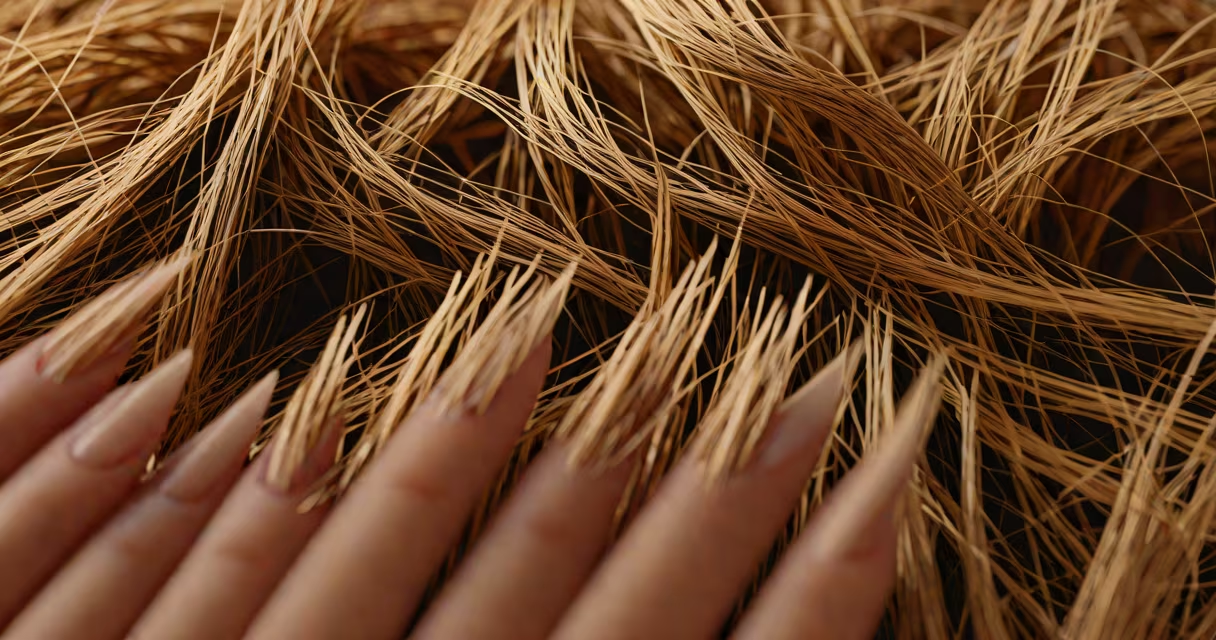
Hair skin and nails is a term used to describe the collective appearance and condition of a person's hair, skin, and nails as visible markers of internal health. These tissues share biological roots in keratin production and nutrient dependency, making them sensitive indicators of nutritional status, hormonal function, and systemic disease.
When clinicians assess patients, they often examine hair, skin, and nails together because changes in any one can signal problems affecting the others. For example, brittle nails and thinning hair may both stem from iron deficiency-an issue detectable through blood tests and correctable with dietary adjustment or supplementation.
The term is not a medical diagnosis but a clinical observation structure. It reflects how healthcare providers use external physical traits to infer internal state. The American Academy of Dermatology notes that up to 60% of dermatologic consultations involve complaints related to hair, skin, or nails, often overlapping in presentation.
Hair, skin, and nails are all composed primarily of keratin-a tough, fibrous protein produced by specialized cells called keratinocytes. These cells multiply rapidly in the scalp, epidermis, and nail matrix, requiring consistent supplies of amino acids, vitamins, and minerals.
Nutrient availability directly affects keratin structure. Deficiencies in zinc, vitamin D, or B-complex vitamins disrupt cell division and protein folding, leading to weakened structures. For instance, low zinc levels correlate with poor wound healing, dry skin, and increased hair shedding-measured clinically as telogen effluvium.
A 2021 study published in Frontiers in Nutrition found that participants with low serum ferritin (a marker of iron stores) were twice as likely to report brittle nails and diffuse hair thinning compared to those with normal levels. This demonstrates how systemic nutrition impacts multiple keratin-based tissues simultaneously.
Conditions affecting hair, skin, and nails fall into categories based on cause: nutritional, autoimmune, infectious, or genetic. Some disorders manifest across all three tissues; others affect only one.
| Type | Common Examples | Key Triggers |
|---|---|---|
| Nutritional Deficiency | Biotin deficiency, iron-deficiency anemia, vitamin B12 insufficiency | Poor diet, malabsorption, veganism without planning |
| Autoimmune | Psoriasis, alopecia areata, lichen planopilaris | Immune system attacks keratin-producing cells |
| Infectious | Tinea capitis (scalp fungus), onychomycosis (nail fungus) | Fungal or bacterial invasion of keratin layers |
| Genetic | Trichorrhexis nodosa, brittle nail syndrome, ichthyosis | Mutations in keratin genes or structural proteins |
One non-obvious distinction: not all nail changes reflect systemic illness. A single vertical ridge on a fingernail is common with aging and does not indicate deficiency. But multiple ridges, discoloration, or separation from the nail bed may signal thyroid dysfunction or chronic inflammation.
I once observed a patient presenting with severe hair thinning and spoon-shaped nails. Blood work revealed hemoglobin of 9.2 g/dL and ferritin below 10 ng/mL-diagnostic of iron deficiency anemia. After six weeks of oral iron supplementation, hair density improved, and nail shape normalized. This case illustrates how hair skin and nails serve as early warning systems.
Clinicians use hair skin and nails during routine exams to screen for hidden issues. A primary care provider might notice dull, lifeless hair during a checkup and order a vitamin B12 test. A dermatologist might spot pitting on fingernails and suspect psoriatic arthritis before joint symptoms appear.
These tissues are also used in forensic medicine. Hair shafts can retain traces of drugs or toxins for months, enabling detection even after metabolism has cleared them from blood. Nail clippings have been used to identify exposure to heavy metals like lead or mercury in occupational settings.
For patients, tracking changes in hair, skin, and nails offers a low-cost way to monitor health. Daily observations-like noticing new split ends, dry patches, or nail ridges-can prompt earlier medical evaluation than waiting for symptoms like fatigue or pain.
Many assume that supplements like biotin will fix all hair and nail issues. While biotin deficiency causes brittle nails and hair loss, correcting a deficiency doesn't reverse damage caused by long-term malnutrition or autoimmune disease. A 2022 review in Journal of the American Academy of Dermatology found that biotin supplementation showed no benefit in individuals with normal levels.
Another misconception: "natural" products are always safer. Topical retinoids, derived from vitamin A, improve skin texture and reduce acne. But applying them to the face without sunscreen increases UV damage risk. Similarly, excessive collagen supplements may cause digestive upset or interfere with iron absorption.
Some people believe that hair growth speed correlates with health. In reality, average scalp hair grows about 0.5 inches per month. Variations within ±0.1 inches are normal and not indicative of disease. Rapid growth does not equal better health, nor does slow growth always signal illness.
Consider a 32-year-old woman reporting fatigue, cold hands, and worsening hair thinning. She has no history of bleeding but eats a plant-based diet. Physical exam reveals pale conjunctiva, brittle nails with central grooving, and diffuse hair shedding-especially at the crown.
Laboratory results show:
Diagnosis: iron deficiency anemia. Treatment includes 65 mg ferrous sulfate daily and dietary counseling. After eight weeks, her hemoglobin rose to 13.2 g/dL, hair shedding decreased by 70%, and nail strength improved.
This case shows how hair skin and nails collectively pointed to a treatable internal condition. Without visual clues, the diagnosis might have been delayed by months.
Understanding hair skin and nails helps decode subtle signals your body sends. When changes occur across all three tissues, it often indicates a systemic issue rather than isolated cosmetic concern. Monitoring them regularly supports early intervention and better outcomes.
Hair skin and nails are not just aesthetic features. They are living barometers of internal function, shaped by genetics, environment, and daily choices. Paying attention to them can prevent larger health problems down the road.