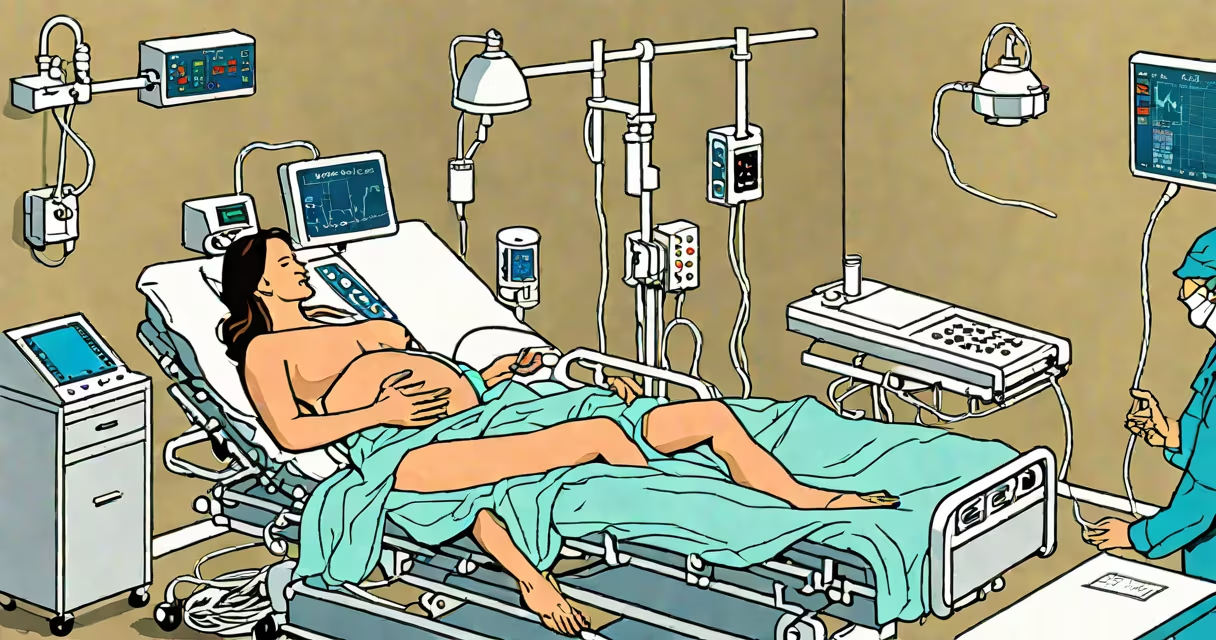
When a pregnant person tests positive for Group B Streptococcus (GBS), they receive intravenous antibiotics during labor to prevent passing the bacteria to the baby during delivery. A cesarean section (c section) may lower transmission risk but is not routinely recommended solely due to GBS positivity.
GBS is a common bacterium found in the digestive, urinary, and reproductive tracts. It's harmless to adults but can cause serious infections in newborns, including sepsis, pneumonia, and meningitis. The Centers for Disease Control and Prevention (CDC) estimates that about 25% of pregnant people carry GBS in their rectum or vagina, though most don't show symptoms.
Screening occurs between 35 and 37 weeks of gestation. A swab from the vagina and rectum detects GBS presence. If positive, intravenous antibiotics-typically penicillin-are given during labor. This reduces early-onset GBS disease in babies by about 80%, according to the CDC.
During vaginal delivery, the baby passes through the birth canal and may come into contact with GBS-colonized tissues. If untreated, the baby can aspirate or swallow infected fluid, leading to colonization of the lungs, blood, or brain. The risk peaks within the first 24 hours after birth.
Transmission is not guaranteed. Many GBS-positive mothers deliver healthy babies without complications. However, the potential consequences are severe enough that prevention is standard practice. Antibiotics are effective because they reduce bacterial load in the birth canal during labor, limiting exposure.
For example, a study published in the journal Clinical Infectious Diseases found that administering antibiotics during labor reduced the incidence of early-onset GBS disease from 2.3 per 1,000 live births to 0.3 per 1,000 when given correctly.
A cesarean section bypasses the birth canal entirely, eliminating direct exposure to GBS. This makes it theoretically protective. However, the American College of Obstetricians and Gynecologists (ACOG) states that c sections are not recommended solely to prevent GBS transmission unless other medical indications exist.
Elective c sections before labor onset do not eliminate risk entirely. If membranes rupture before surgery, the baby may still be exposed. Also, c sections carry higher risks for both mother and baby, including surgical site infections, longer recovery times, and increased likelihood of respiratory distress syndrome in the newborn.
Research shows that even with GBS-positive status, vaginal delivery with appropriate antibiotic treatment results in very low infection rates. ACOG reports that the rate of early-onset GBS disease in infants born to GBS-positive mothers who received antibiotics during labor is less than 1 in 4,000.
The following table compares outcomes based on delivery method and antibiotic use:
| Delivery Type | Antibiotics During Labor | Estimated GBS Disease Rate in Newborns |
|---|---|---|
| Vaginal birth | Yes | 0.3 per 1,000 |
| Vaginal birth | No | 2.3 per 1,000 |
| Cesarean section | Yes | 0.1 per 1,000 |
| Cesarean section | No | 0.5 per 1,000 |
These figures show that antibiotics during labor are effective. Even in c sections, the absence of antibiotics slightly increases risk, suggesting that the placental barrier isn't absolute protection.
Many people assume that a c section automatically prevents GBS transmission. That's incorrect. While c sections reduce exposure, they don't eliminate it. If labor begins before the c section, or if membranes rupture, the baby can still be exposed.
Another myth is that GBS is a sexually transmitted infection. It is not. GBS is part of normal flora and can be acquired from environmental sources or shared among close contacts. It's not linked to sexual activity or hygiene.
Some parents worry that antibiotics during labor harm the baby's microbiome. Studies show short-term changes in gut flora, but long-term effects remain unclear. The benefits of preventing life-threatening infections far outweigh theoretical concerns.
I once attended a birth where the mother was GBS positive but declined antibiotics due to personal beliefs. She delivered vaginally and her baby developed sepsis within 12 hours. The infant required intensive care and six weeks of IV antibiotics. This outcome underscores why guidelines emphasize universal prophylaxis.
Conversely, I've seen multiple GBS-positive women deliver vaginally with antibiotics. All babies were healthy at discharge. One mother reported feeling anxious about the IV drip but appreciated knowing she was protecting her child.
A c section may be advised if there are other reasons for delivery, such as fetal distress, placenta previa, or failure to progress. In these cases, the decision is based on maternal or fetal health, not GBS status alone.
If a woman has a history of GBS-related neonatal infection in a previous child, some providers recommend c section. But even then, the evidence is mixed. ACOG notes that while prior affected infant increases risk, the baseline rate remains low, and antibiotics during labor remain the primary defense.
Some confuse GBS with UTIs. They are unrelated. GBS is a bacterium carried in the GI and genital tracts. A UTI involves bacteria like E. coli invading the bladder or kidneys. While both can occur during pregnancy, they require different testing and treatment.
Being GBS positive does not mean a c section is required. Intravenous antibiotics during labor are the gold standard for preventing newborn infection. A c section may reduce risk further but introduces surgical risks and is not routinely recommended for GBS alone.
Every pregnant person should be screened for GBS between 35 and 37 weeks. If positive, antibiotics during labor reduce the chance of early-onset disease to less than 1 in 4,000. This strategy is safe, effective, and supported by major health organizations.
Understanding gbs positive and c section helps clarify that prevention is achievable without unnecessary surgery. The focus should remain on timely antibiotic administration, not delivery method.