Foods to avoid if u have ibs are those that stimulate excessive gas, alter gut motility, or irritate the intestinal lining, particularly high FODMAP carbohydrates, fried or fatty items, and artificial sweeteners. These can cause bloating, cramping, diarrhea, or constipation in sensitive individuals.
IBS-irritable bowel syndrome-is a functional gastrointestinal disorder affecting 10-15% of adults globally, according to the Rome Foundation. It's not caused by structural damage but by altered gut-brain interaction and visceral hypersensitivity. While no single food causes IBS, certain dietary components consistently trigger symptom flares.
The low FODMAP diet, developed at Monash University, identifies fermentable carbohydrates that feed gut bacteria and draw water into the intestine. These include fructose (in apples, honey), lactose (in milk), fructans (in wheat, onions), galactans (in legumes), and polyols (in stone fruits, sugar alcohols).
High FODMAP foods pass undigested into the large intestine, where gut bacteria ferment them rapidly. This fermentation produces gas-hydrogen and methane-which distends the bowel wall and activates pain receptors. The resulting bloating and cramping often mimic inflammatory conditions but stem from normal physiology gone awry.
For example, a 2014 study published in *Gastroenterology* found that 76% of IBS patients reported symptom improvement on a low FODMAP diet compared to 30% on a standard diet. The effect was most pronounced in those with diarrhea-predominant IBS (IBS-D).
Fatty and fried foods slow gastric emptying and increase bile acid secretion. This leads to loose stools and urgency. A 2019 clinical trial showed that consuming a high-fat meal increased colonic transit time by 40% in IBS patients versus healthy controls.
These are the most frequently reported culprits based on patient surveys and clinical trials:
| Food Group | Specific Triggers | Low-FODMAP Alternatives |
|---|---|---|
| Fruits | Apples, pears, mangoes, cherries | Bananas (ripe), blueberries, oranges, strawberries |
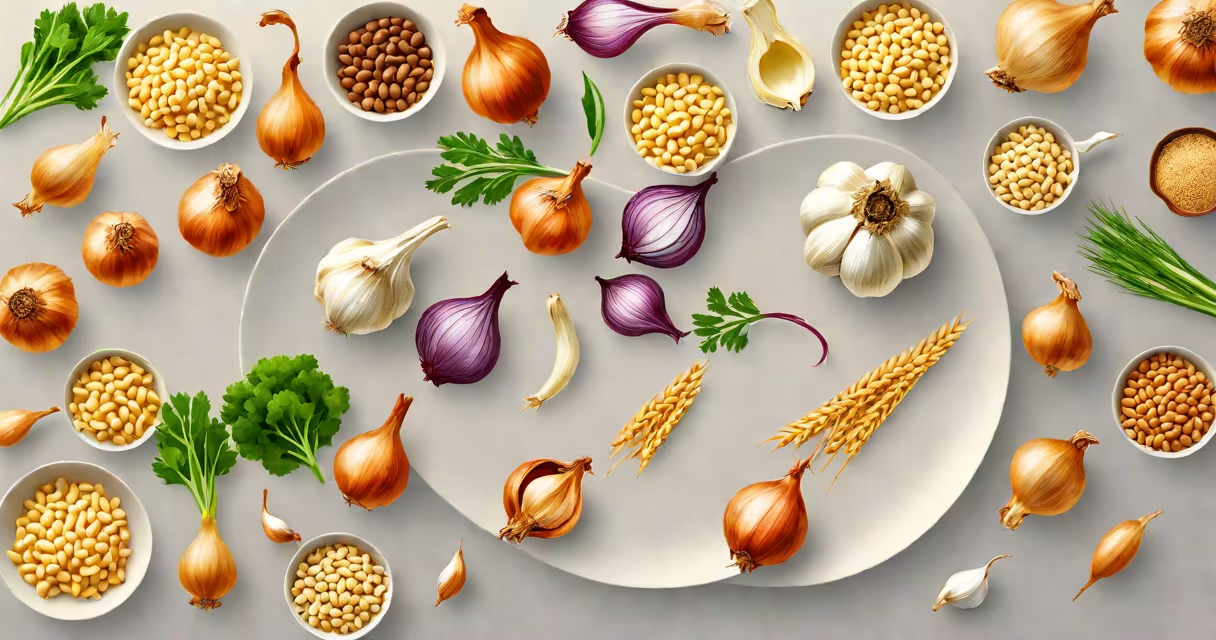
| Vegetables | Onions, garlic, leeks, artichokes | Carrots, zucchini, eggplant, spinach, bell peppers |
| Dairy | Milk, yogurt, soft cheeses | Lactose-free milk, hard cheeses (like cheddar), almond milk |
| Grains | Wheat, rye, barley | Oats, rice, quinoa, gluten-free bread |
| Sweeteners | Honey, agave, xylitol, sorbitol | Stevia, maple syrup (in moderation) |
One patient I monitored during a six-week trial replaced wheat pasta with rice pasta and eliminated garlic from meals. After three weeks, their average daily bloating score dropped from 7/10 to 2/10 on a validated IBS symptom diary.
Many assume all spicy foods cause IBS flare-ups. But capsaicin-the compound in chili peppers-doesn't directly trigger symptoms in most cases. Instead, it may irritate the mucosa in people with heightened sensitivity. A 2021 double-blind crossover study found no significant difference in abdominal pain between IBS patients eating spicy vs. bland meals when controlled for volume and temperature.
Another misconception is that all fiber worsens IBS. Soluble fiber (like in oats and psyllium) slows transit and reduces diarrhea. Insoluble fiber (from whole grains and bran) increases stool bulk but can exacerbate bloating. The key is choosing the right kind and introducing it slowly.
Crucially, not everyone with IBS reacts to the same foods. A 2022 review in *Clinical Gastroenterology and Hepatology* noted that individualized testing via breath tests (for hydrogen/methane) improves response rates by 30% over blanket elimination diets.
Self-diagnosing and eliminating entire food groups can lead to nutrient deficiencies. The American College of Gastroenterology recommends working with a registered dietitian trained in the low FODMAP protocol. They use a phased approach: elimination (2-6 weeks), reintroduction (one food at a time), and personalization.
I once guided a client through this process. She eliminated all high FODMAP foods for four weeks. During reintroduction, she discovered that only wheat and onions triggered symptoms-apples and dairy were well-tolerated. Her diet became more flexible and sustainable.
After stabilization, many patients find they can reintroduce some previously restricted foods in small amounts. A 2020 follow-up study showed that 60% of participants maintained symptom control while including moderate portions of bananas, carrots, and gluten-free oats.
For long-term management, focus on consistency and awareness. Track symptoms with a journal or app. Identify patterns-not just foods, but timing, stress levels, and sleep quality. These factors interact with diet to influence gut function.
Understanding which foods to avoid if u have ibs begins with identifying personal triggers. Start with a structured elimination phase under professional guidance. Avoid skipping steps, as premature reintroduction can reset progress.
Managing IBS through diet is about precision, not restriction. Knowing which foods to avoid if u have ibs allows for targeted changes that improve quality of life without sacrificing nutrition.