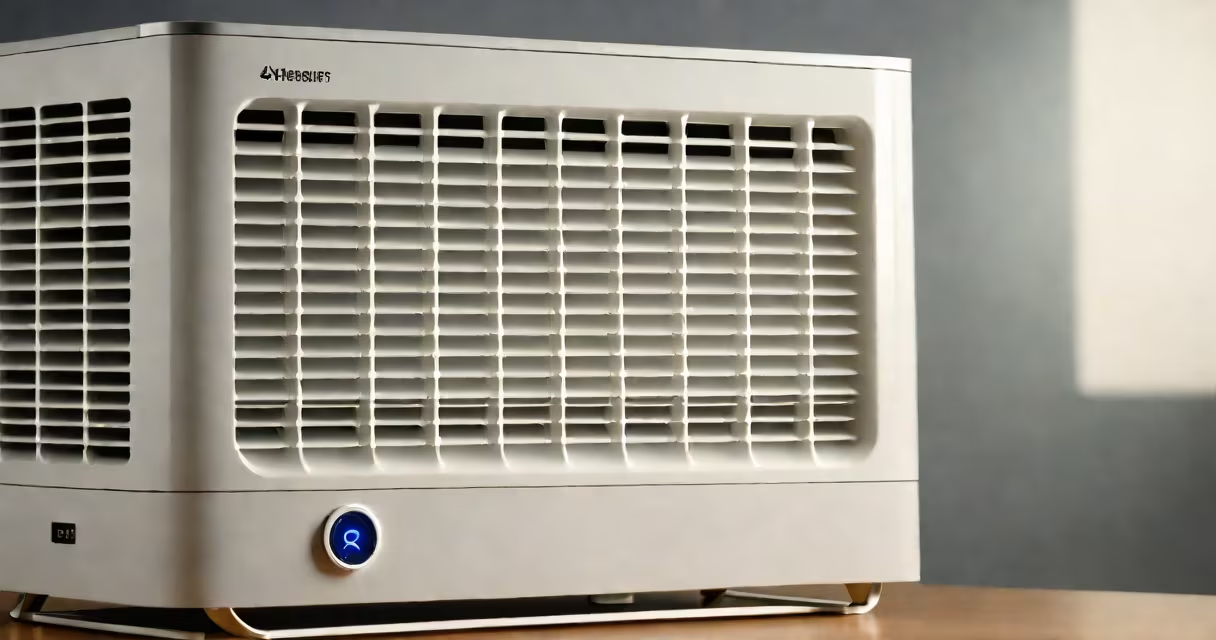
Indoor air pollution refers to the presence of harmful contaminants in enclosed spaces such as homes, offices, and schools. These pollutants originate from building materials, cleaning products, cooking, smoking, and poor ventilation. Exposure increases risks for respiratory illness, allergies, and long-term conditions like heart disease.
Indoor air pollution often goes unnoticed because people spend 60-90% of their time indoors. The Environmental Protection Agency (EPA) ranks indoor air pollution among the top five environmental risks to public health. Levels of certain pollutants can be two to five times higher indoors than outdoors, and in some cases, up to 100 times higher.
Common sources include volatile organic compounds (VOCs) from paints and adhesives, carbon monoxide from gas stoves, radon from soil beneath foundations, and biological agents like mold and dust mites. Even everyday activities-showering, using candles, or vacuuming-release particles into the air.
When pollutants enter a room, they disperse through air currents and settle on surfaces or remain suspended. Small particles (PM2.5) can penetrate deep into lungs and even enter the bloodstream. Gases like formaldehyde or nitrogen dioxide irritate mucous membranes and reduce lung function over time.
Without proper ventilation, pollutants accumulate. A study by the American Lung Association found that poorly ventilated homes had 30% higher levels of airborne particulates during winter months due to closed windows and heating systems recirculating stale air.
People with asthma, COPD, or weakened immune systems face greater risk. Children and elderly individuals are especially vulnerable because their bodies process toxins less efficiently.
The following table outlines major indoor pollutants, their origins, and typical concentrations in average homes.
| Pollutant | Primary Source | Average Indoor Level | Health Impact |
|---|---|---|---|
| Formaldehyde | Furniture, particleboard, insulation | 0.1-0.5 ppm | Eye, nose, throat irritation; potential carcinogen |
| Carbon Monoxide | Gas stoves, heaters, car exhaust in garages | 0.1-10 ppm | Headaches, dizziness; high levels cause death |
| Radon | Soil under foundation, water supply | 1-4 pCi/L (varies by region) | Leading cause of lung cancer in non-smokers |
| PM2.5 | Cooking, smoking, burning candles | 10-50 μg/m³ | Respiratory and cardiovascular strain |
One non-obvious fact: indoor air pollution can worsen during energy-efficient renovations. Sealing gaps to improve insulation traps pollutants inside. A 2021 study published in *Environmental Science & Technology* showed that homes retrofitted with better insulation and sealed windows saw a 40% rise in indoor VOC levels within six months unless mechanical ventilation was added.
Indoor air pollution is most concerning in tightly sealed modern buildings. Energy codes now require tighter envelopes to reduce heating and cooling costs, but without balanced ventilation, indoor air quality declines.
Office buildings with central HVAC systems often recirculate air without sufficient filtration. A 2022 report from the World Health Organization noted that office workers in buildings without regular filter changes reported 25% more fatigue and headaches than those in well-ventilated spaces.
Even in older homes, problems persist. A homeowner in Portland, Oregon, discovered elevated radon levels after testing following a family member's lung cancer diagnosis. The home's basement had no venting system, and radon concentrations reached 8 pCi/L-above the EPA's recommended action level of 4 pCi/L.
Many assume that "fresh air" means clean air. Opening a window doesn't eliminate indoor pollutants-it can introduce outdoor pollutants like pollen, ozone, and vehicle emissions. In cities, outdoor PM2.5 levels spike during rush hour, and bringing that air indoors negates any benefit.
Another misconception is that air purifiers fix all indoor air issues. While HEPA filters effectively capture particles, they don't remove gases like carbon monoxide or radon. Activated carbon filters help with VOCs but degrade over time and require replacement every 6-12 months.
Some believe natural scents like essential oils improve air quality. In reality, many essential oils release VOCs-limonene and linalool-that react with indoor ozone to form secondary pollutants like formaldehyde. A 2020 study in *Atmospheric Environment* found that diffusing lavender oil increased indoor formaldehyde levels by 37% in a sealed room.
In 2020, a family in suburban Chicago noticed persistent coughing and eye irritation in children and adults. They had recently installed new laminate flooring and used scented cleaners daily. After consulting an indoor air quality specialist, they discovered formaldehyde levels at 0.6 ppm-above the EPA's safe threshold of 0.1 ppm.
They removed the new flooring, switched to low-VOC cleaning products, and installed a dedicated ventilation system with a heat recovery ventilator (HRV). Within two weeks, symptoms improved. Testing confirmed formaldehyde dropped to 0.12 ppm, and PM2.5 levels stabilized below 15 μg/m³.
Simple steps make a measurable difference:
For ongoing monitoring, consider smart air quality sensors that track PM2.5, CO2, and VOCs in real time. Devices like the Awair Element or Foobot provide actionable alerts based on thresholds set by the EPA and WHO.