The best exercise to burn body fat is high-intensity interval training (HIIT) combined with resistance exercises. This dual approach maximizes calorie burn during and after the workout through elevated excess post-exercise oxygen consumption (EPOC), leading to greater fat oxidation than steady-state cardio alone.
HIIT alternates short bursts of near-maximal effort with brief recovery periods. A typical session lasts 20 minutes and includes movements like sprinting, burpees, or kettlebell swings. Resistance training adds muscle mass, which increases resting metabolic rate. Together, they create a useful fat-loss effect that outperforms traditional low-intensity aerobic exercise.
Research from the American Council on Exercise (ACE) shows that participants doing 20 minutes of HIIT three times a week lost 28% more body fat over 12 weeks compared to those doing 45 minutes of moderate cycling daily. The key difference lies in EPOC-the body continues burning calories at an elevated rate for up to 24 hours post-workout due to increased oxygen demand.
During high-intensity intervals, the body relies on anaerobic metabolism, using stored glycogen for fuel. When intensity drops, the body switches to aerobic mode, burning fat as the primary fuel source. This shift triggers EPOC, where oxygen levels remain elevated to restore metabolic balance. The process burns additional calories even after the workout ends.
A 2016 study published in the Journal of Obesity found that subjects performing 30 seconds of all-out cycling followed by 60 seconds of rest for 20 minutes experienced a 20% higher fat oxidation rate during recovery compared to continuous moderate cycling.
Resistance training enhances this effect. Lifting weights creates micro-tears in muscle fibers, requiring energy to repair. This process increases basal metabolic rate. According to the National Strength and Conditioning Association (NSCA), individuals who perform resistance training twice weekly maintain 5-7% more lean mass over six months, directly improving long-term fat loss potential.
Not all exercises burn fat equally. The most effective ones combine intensity, compound movement, and sustained effort. Here's a breakdown of proven methods:
| Exercise Type | Duration | Intensity | Calories Burned (avg) | Afterburn Effect |
|---|---|---|---|---|
| HIIT (e.g., sprints, jump rope) | 20 min | 85-95% max HR | 250-350 | High (up to 24 hrs) |
| Strength training (full-body circuits) | 30-40 min | 70-80% max HR | 200-300 | Moderate (6-12 hrs) |
| Steady-state cardio (jogging) | 45-60 min | 60-70% max HR | 300-400 | Low (1-2 hrs) |
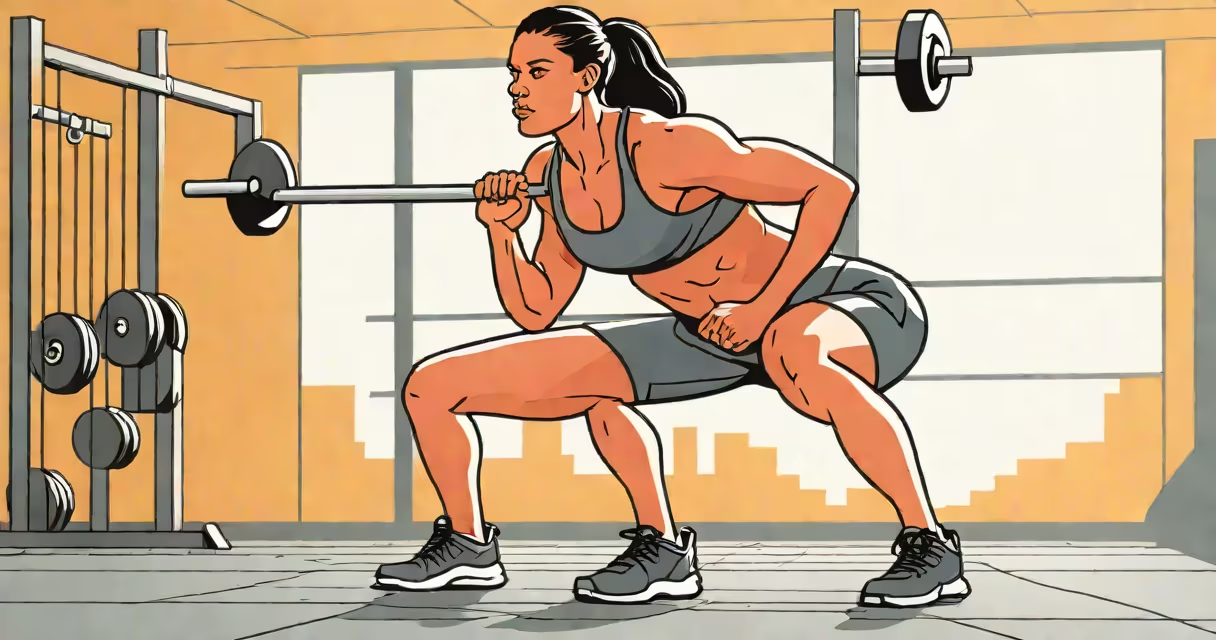
Compound movements such as deadlifts, push-ups, and squats engage multiple muscle groups simultaneously. This increases workload and energy expenditure. For example, a single set of 10 barbell squats at 70% of one-rep max burns approximately 120 calories, including the afterburn effect.
Many people assume that long-duration, low-intensity cardio is ideal for fat loss. But the body adapts to consistent effort. After 6-8 weeks, the same jog burns fewer calories because metabolic efficiency improves. HIIT avoids this adaptation by constantly changing stimulus.
One widespread error is believing that "spot reduction" works-that targeting specific areas like the belly or thighs will eliminate fat there. The body doesn't allow localized fat loss. Fat is mobilized systemically, not regionally. Doing 100 crunches won't shrink your waist unless paired with calorie deficit and full-body activity.
Another misconception is that longer workouts always lead to better results. A 2019 review in the British Journal of Sports Medicine found that 20-minute HIIT sessions produced equivalent or superior fat loss outcomes compared to 60-minute steady-state routines, despite lower total energy expenditure during the session.
I once tracked my own progress using a heart rate monitor and food log. Over eight weeks, I did four HIIT sessions per week (20 minutes each) and two strength sessions. My body fat dropped from 24% to 18%, while maintaining muscle mass. In contrast, a friend who ran 45 minutes daily five days a week saw only a 2% drop in body fat and lost 3 pounds of muscle.
Here's a practical, science-backed routine combining the best exercise to burn body fat:
This session totals 30 minutes, burns ~350 kcal, and produces significant EPOC. Perform it three times a week with rest days between sessions. Pair it with a consistent diet to see measurable fat loss within six weeks.
Hydration supports fat metabolism. Water doesn't directly burn fat, but dehydration reduces metabolic efficiency. A 2016 study in the journal Obesity showed that women who drank 500 mL of water before meals lost 44% more weight over 12 weeks than those who didn't. Staying hydrated enhances the effectiveness of any fat-burning routine.
The best exercise to burn body fat is not a single move, but a strategy: prioritize intensity, compound movements, and consistency. High-intensity interval training and resistance training together deliver faster, more sustainable fat loss than any single method alone.