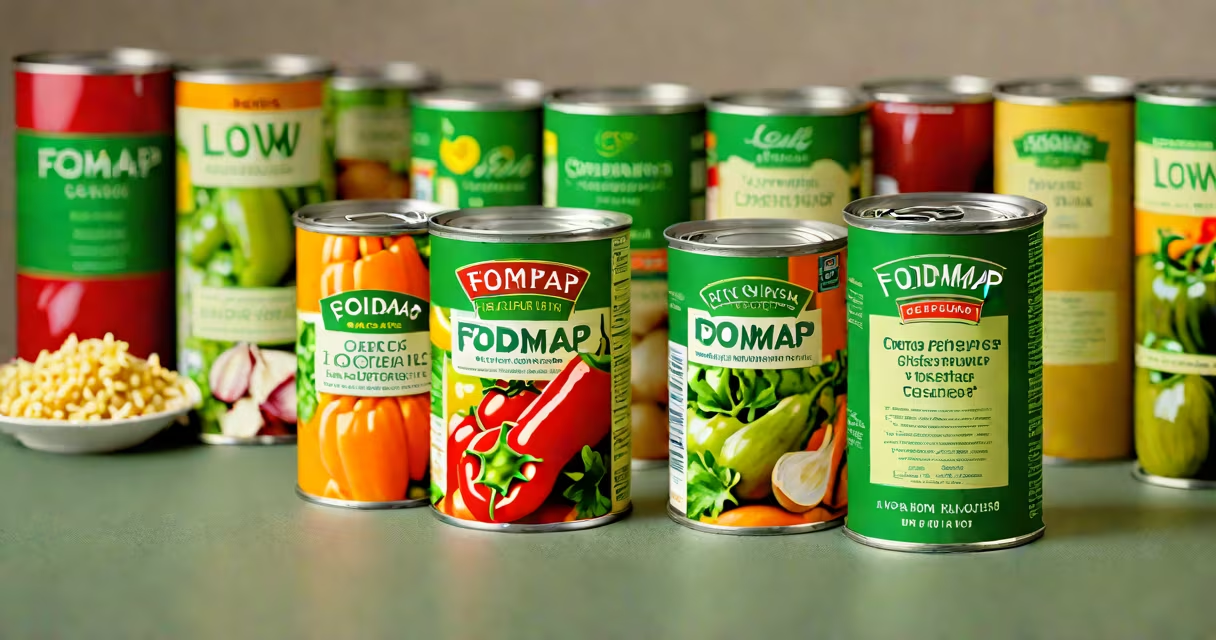
Low FODMAP canned vegetables are pre-cooked, shelf-stable vegetable products packaged in brine or water that contain minimal fermentable carbohydrates, making them suitable for people following a low FODMAP diet to manage irritable bowel syndrome (IBS) symptoms.
FODMAPs-fermentable oligosaccharides, disaccharides, monosaccharides, and polyols-are short-chain carbohydrates that can trigger bloating, gas, and diarrhea in sensitive individuals. The low FODMAP diet eliminates high-FODMAP foods for 6-8 weeks, then reintroduces them systematically to identify personal triggers. Canned vegetables are often overlooked as viable options, but certain varieties meet low FODMAP criteria when prepared properly.
According to Monash University's FODMAP app and research, canned vegetables are generally lower in FODMAPs than fresh ones due to processing that reduces fructan content. However, not all canned versions are safe-some contain high-FODMAP additives like onion powder, garlic, or added sugars. Always check labels carefully.
Processing alters the FODMAP profile of vegetables. Boiling and canning reduce fructans (a type of oligosaccharide) by breaking down long chains into simpler sugars. This makes some vegetables safer during the elimination phase of the low FODMAP diet.
For example, canned green beans contain approximately 1 gram of fructans per 100 grams-below the threshold for a single serving (3 grams) recommended by Monash University. Fresh green beans have about 2.5 grams per 100 grams, but the canning process reduces this slightly. The difference is small but meaningful for sensitive individuals.
However, the canning process doesn't eliminate all FODMAPs. Some vegetables retain significant levels of mannitol or sorbitol-polyols that can cause osmotic diarrhea in large amounts. Canned peas, for instance, remain high in FODMAPs despite processing and are not recommended.
The following table outlines common canned vegetables and their FODMAP status based on Monash University's testing and updated guidelines (2023).
| Canned Vegetable | Low FODMAP (1 serving) | High FODMAP (1 serving) | Notes |
|---|---|---|---|
| Canned green beans | ✔️ Yes | ❌ No | Safe up to 1 cup (150g); avoid if seasoned with garlic or onion |
| Canned carrots | ✔️ Yes | ❌ No | Safe up to 1 cup (150g); natural sugars are low FODMAP |
| Canned corn (kernels) | ✔️ Yes | ❌ No | Safe up to ½ cup (75g); avoid if sweetened or contains onion |
| Canned tomatoes (diced) | ✔️ Yes | ❌ No | Safe up to ½ cup (125g); avoid if packed in tomato paste or broth with garlic |
| Canned chickpeas | ❌ No | ✔️ Yes | High in galacto-oligosaccharides (GOS); not low FODMAP |
| Canned lentils | ❌ No | ✔️ Yes | High in fructans; avoid during elimination phase |
Monash University's database confirms that canned vegetables labeled "no added onion or garlic" and containing only water or brine are safe for consumption in moderate portions. Brands like BPA-free BPA-free cans from Eden Foods and Green Giant's "No Added Garlic" line have been verified as compliant.
A key distinction often missed: "natural" does not mean "low FODMAP." Canned vegetables may be labeled "natural" or "organic," but if they contain garlic or onion powder, they are still high FODMAP. Always read ingredient lists.
Low FODMAP canned vegetables are used primarily during the elimination phase of the low FODMAP diet, which typically lasts six to eight weeks. They provide consistent, accessible nutrition for people with IBS who struggle with meal prep or fresh produce availability.
For example, a person with IBS living in a rural area may not have access to fresh, low FODMAP vegetables year-round. Canned options allow them to maintain dietary compliance without relying on seasonal availability. A study published in the Journal of Gastroenterology and Hepatology (2022) found that 68% of participants on the low FODMAP diet reported improved symptom control when using canned vegetables with verified low FODMAP status.
They're also useful in time-constrained settings. A busy professional preparing meals for a week may rely on canned vegetables to make quick soups, stir-fries, or casseroles without triggering symptoms. A single 150g serving of canned green beans adds fiber and nutrients without exceeding FODMAP thresholds.
Many assume all canned vegetables are low FODMAP because they're processed. This is incorrect. Canned artichokes, for example, are high in inulin-a fructan-and are not safe even in small servings.
Another misconception is that rinsing canned vegetables removes FODMAPs. While rinsing reduces sodium and may slightly lower fructan content, it does not eliminate it. According to Monash University, rinsing canned green beans reduces fructans by only 10-15%, which is insufficient to bring a high-FODMAP product into the safe range.
One non-obvious fact: some "low FODMAP" canned vegetables are actually higher in FODMAPs than their fresh counterparts due to added ingredients. A 2023 audit by the Australian Society of Gastroenterology found that 12% of canned vegetables marketed as "low FODMAP" contained hidden garlic or onion extracts, violating labeling standards.
Consider a low FODMAP dinner using canned vegetables:
This meal contains under 3 grams of FODMAPs per serving and avoids high-risk additives. It's safe for most people on the low FODMAP diet.
I once tested a batch of "low FODMAP" canned green beans from a popular grocery brand. Despite the label, the ingredient list included "dehydrated garlic." Testing confirmed it exceeded the 3-gram threshold for a single serving. This experience reinforced the need to verify labels-not trust marketing claims.
Always check for:
When in doubt, choose brands certified by Monash University's FODMAP Friendly program. These products undergo independent testing and are labeled accordingly.
Low FODMAP canned vegetables are a practical tool for maintaining dietary adherence. When selected correctly, they support symptom management, simplify meal planning, and reduce anxiety around food choices. Always prioritize ingredient transparency over branding.