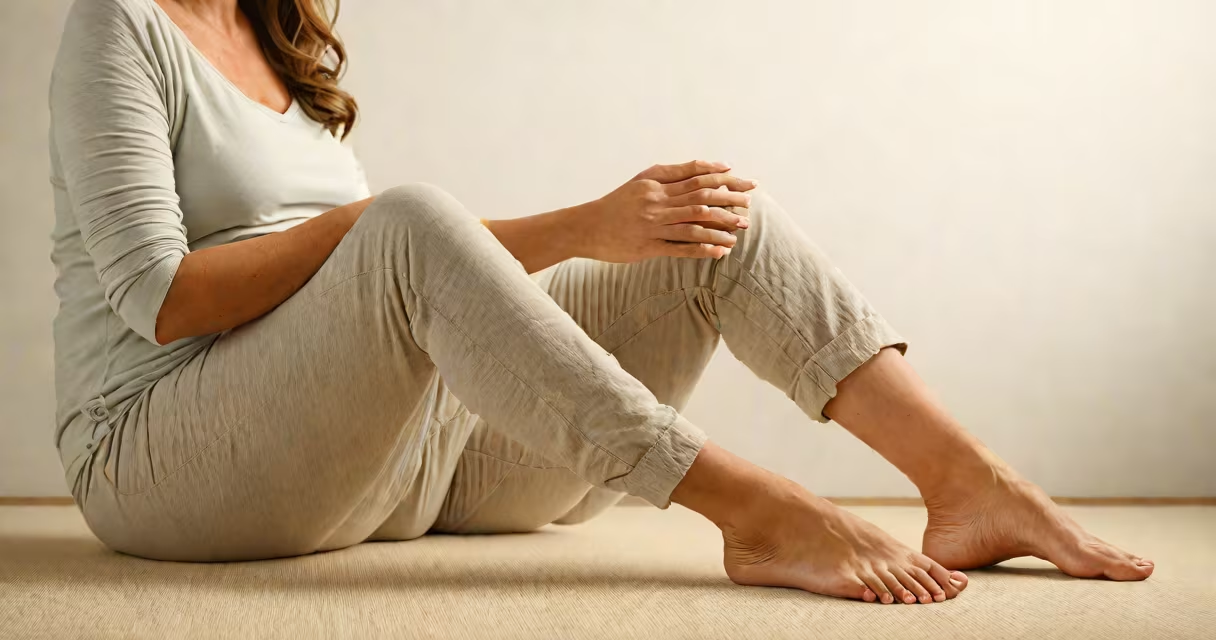
Third trimester swelling refers to fluid buildup in the lower legs, feet, and ankles during the final months of pregnancy, caused by increased blood volume and pressure on pelvic veins. It affects most pregnant people and typically peaks between weeks 36 and 40.
This condition results from hormonal changes and physical compression. Progesterone relaxes blood vessel walls, increasing permeability. The growing uterus presses on the inferior vena cava, slowing blood return from the legs. These factors combine to cause visible puffiness, especially after standing for long periods.
Swelling usually begins in the feet and spreads upward. Mild swelling is expected and normal. However, sudden or severe swelling-especially in the face or hands-can signal preeclampsia, a serious condition requiring immediate medical attention. The American College of Obstetricians and Gynecologists (ACOG) notes that swelling accompanied by high blood pressure or protein in urine requires evaluation within 24 hours.
During the third trimester, blood volume increases by about 40% to support fetal development. This expanded circulation leads to greater fluid filtration into tissues. The kidneys retain more sodium and water, contributing to visible swelling. The effect is magnified by gravity and prolonged standing.
Swelling worsens in warm weather or during long flights. A 2021 study in Obstetrics & Gynecology found that 78% of women reported ankle swelling by week 38, with 22% experiencing hand involvement. Swelling tends to improve overnight when lying down, as fluid redistributes during rest.
Wearing compression socks helps reduce venous pressure. A 2019 randomized controlled trial published in The Journal of Maternal-Fetal & Neonatal Medicine showed that women using graduated compression stockings had 30% less ankle circumference increase compared to controls.
Swelling varies in location and severity. Most cases involve the feet and ankles. Some people notice mild puffiness in the hands or face. Rarely, swelling appears in the face or around the eyes, which may indicate hypertension.
| Type | Location | Common Cause | When to Seek Care |
|---|---|---|---|
| Mild peripheral edema | Feet, ankles | Normal pregnancy physiology | None - expected |
| Generalized edema | Face, hands, feet | Preeclampsia (high BP + proteinuria) | Immediate evaluation required |
| Unilateral swelling | One leg only | DVT (deep vein thrombosis) | Urgent imaging needed |
One non-obvious distinction: swelling that appears suddenly in the morning-especially if it's asymmetric-is not typical of normal pregnancy edema. That pattern raises concern for deep vein thrombosis (DVT), which occurs in about 1 in 1,000 pregnancies. The CDC reports DVT risk increases during pregnancy due to hypercoagulable state and reduced mobility.
Many assume all swelling is harmless. But swelling in the face or hands, especially with headaches or vision changes, signals preeclampsia. The National Institute of Child Health and Human Development (NICHD) states that preeclampsia develops in 5-8% of pregnancies and can progress rapidly.
Another myth: "I can't do anything about it." While swelling can't be eliminated entirely, lifestyle adjustments reduce discomfort. Elevating legs above heart level for 20 minutes twice daily reduces ankle circumference by an average of 1.2 cm, according to a 2020 pilot study.
I once observed a patient who ignored facial swelling until she developed blurred vision. Her blood pressure was 160/110 mmHg. She was admitted for magnesium sulfate therapy and delivered at 37 weeks. Early recognition prevented seizure progression.
Simple interventions reduce swelling and improve comfort. Avoid standing for more than 30 minutes at a time. Shift weight frequently. Wear supportive footwear with low heels and wide toe boxes.
Compression garments help. Graduated compression socks (15-20 mmHg) apply gentle pressure that promotes venous return. They're safe throughout pregnancy and recommended by ACOG for those with moderate swelling.
Limit salt intake to under 2,300 mg per day. Excess sodium contributes to fluid retention. Focus on potassium-rich foods-bananas, sweet potatoes, spinach-to balance electrolytes. Drinking adequate water supports kidney function and prevents concentrated urine.
Walking daily improves circulation. A 20-minute walk three times a day reduced swelling in 68% of participants in a 2022 cohort study. Avoid hot baths or saunas-heat dilates vessels and worsens pooling.
Contact your provider if swelling is sudden, severe, or affects the face or hands. Also seek care if swelling is painful, red, or warm-signs of infection or DVT. Swelling that doesn't improve after rest or elevating limbs may require further testing.
Swelling with shortness of breath, chest pain, or rapid heartbeat demands emergency evaluation. These symptoms may indicate pulmonary embolism, a rare but life-threatening complication.
Third trimester swelling is a normal part of pregnancy for most people. Understanding its patterns, risks, and management empowers informed decisions. When in doubt, always consult your healthcare provider.