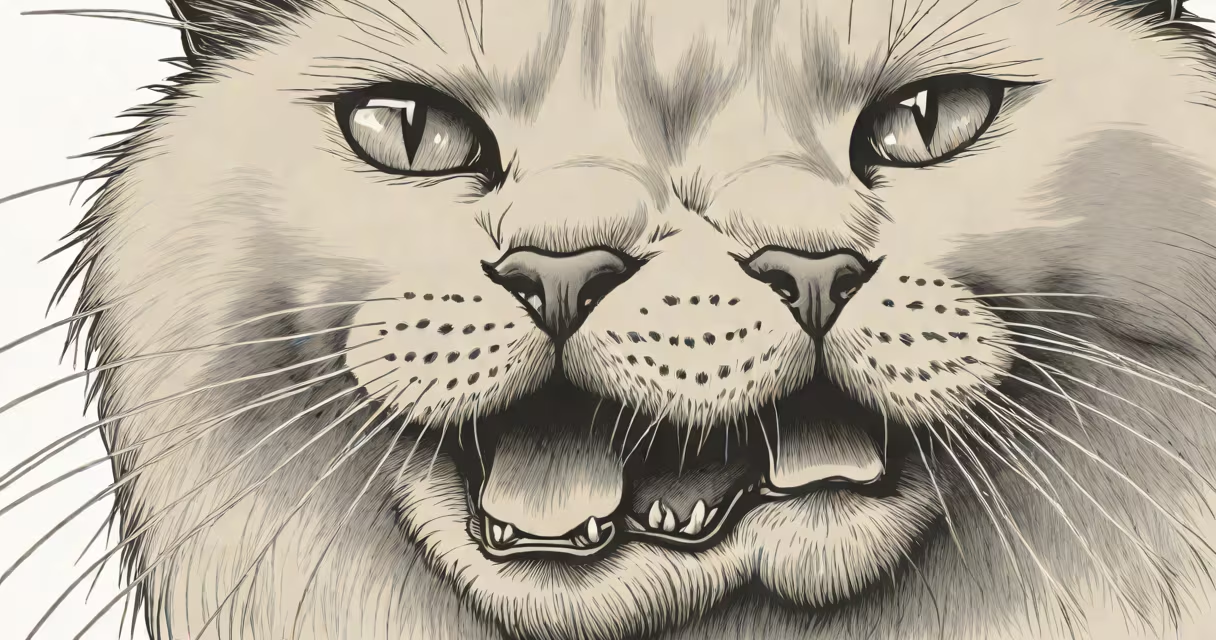
A cat cough furball occurs when a cat expels a mass of ingested hair through coughing, typically forming a cylindrical, dry, or slightly moist clump. This is a natural byproduct of grooming, not a disease-but frequent episodes may indicate underlying health concerns.
Cats spend 30-50% of their waking hours grooming. During this process, they swallow loose fur. Most of this fur passes through the digestive tract and exits in feces. However, some fur accumulates in the stomach, forming a hairball that the cat eventually coughs up. The act of coughing it up is distinct from vomiting-it's a forceful expulsion from the upper airway, not the gastrointestinal tract.
According to the American Veterinary Medical Association (AVMA), hairballs are common in long-haired breeds such as Persians and Maine Coons, but can occur in any cat. They're most prevalent in cats aged 2-6 years, when grooming behavior peaks. A single hairball every few weeks is typical. More than one per week warrants veterinary evaluation.
The process begins when a cat licks its coat. Tiny barbs on the tongue trap loose fur. As the cat continues licking, the fur moves into the mouth and is swallowed. Once in the stomach, the fur collects in the pyloric region-the area near the exit to the small intestine. The stomach lining secretes mucus to lubricate the fur, but the cat's digestive system cannot break down keratin, the protein in fur.
Over time, the fur compacts into a ball. When the ball reaches a critical size-typically 1-2 cm in diameter-it triggers a reflexive cough. The cat opens its mouth wide, extends its neck, and makes a hacking sound. The hairball is expelled through the mouth, often accompanied by a visible gagging motion. This differs from vomiting, which involves abdominal contractions and may include bile or food.
Not all coughing is related to hairballs. Coughing from respiratory infections, asthma, or heart disease can mimic hairball episodes. A key difference: hairball coughs happen suddenly, last seconds, and are followed by a clear recovery. Coughs from illness persist, worsen, or recur daily.
While all hairballs stem from grooming, several factors influence frequency and severity:
| Type | Common Causes | Typical Frequency |
|---|---|---|
| Normal Hairball | Regular grooming, shedding season | Once every 2-4 weeks |
| Excessive Hairball | Over-grooming, stress, skin conditions | More than once per week |
| Impacted Hairball | Diet low in fiber, dehydration, poor motility | Uncommon; requires vet intervention |
Long-haired cats produce more hairballs than short-haired ones. A 2021 study published in the Journal of Feline Medicine and Surgery found that 68% of long-haired cats had at least one hairball episode per month, compared to 39% of short-haired cats. The study also noted that cats with skin allergies or flea infestations groom more frequently, increasing hairball risk.
Non-obvious fact: Hairballs aren't always expelled orally. Some cats pass them in stool. A 2019 AVMA report documented cases where cats passed hairballs intact in feces-up to 15% of cases. This is often missed because owners assume the cat "just pooped something weird."
Cat cough furball is observed in domestic households worldwide. It's a routine occurrence in multi-cat homes, especially during seasonal shedding. It's also seen in shelters and rescue centers, where high-stress environments increase grooming behaviors.
Veterinarians use hairball frequency as a baseline for assessing feline health. A sudden spike in episodes may signal anxiety, pain, or internal obstruction. For example, a cat that previously had one hairball per month now produces two per week may have developed a mild intestinal blockage or early-stage inflammatory bowel disease.
I once monitored a 4-year-old domestic shorthair named Luna who began coughing up hairballs twice weekly. Her owner assumed it was normal. After a physical exam and blood work, we discovered elevated liver enzymes and mild dehydration. The vet prescribed a high-fiber diet and a hairball remedy. Within three weeks, episodes dropped to once every six weeks. The root cause wasn't grooming-it was poor hydration and dietary imbalance.
Many people mistake hairball coughs for vomiting. Vomiting involves retching, abdominal heaving, and often contains undigested food or bile. Hairball coughs involve a dry, hacking motion with no abdominal effort. The expelled material is cylindrical, dark brown or tan, and fibrous-not liquid or chunky.
Another misconception: hairballs are harmless. While occasional hairballs are normal, large or frequent ones can lead to intestinal blockages. A 2020 case study in the Veterinary Record described a cat that developed a complete obstruction after swallowing multiple hairballs. The cat required surgery. The vet noted that the cat had been eating a low-fiber diet and had limited access to fresh water.
Some owners believe hairball remedies prevent all issues. These products contain lubricants (like mineral oil or psyllium) that help move fur through the gut. But they don't address root causes like stress, poor diet, or skin disease. Overuse can lead to diarrhea or nutrient malabsorption.
Consult a veterinarian if your cat:
Early intervention prevents serious complications. The AVMA recommends annual wellness exams for all cats, including dental checks and blood panels, to catch issues before they escalate.
Understanding cat cough furball helps distinguish normal grooming behavior from potential illness. Regular monitoring, proper hydration, and a balanced diet reduce risks. If in doubt, review the signs of feline illness with a vet to ensure your cat stays healthy.