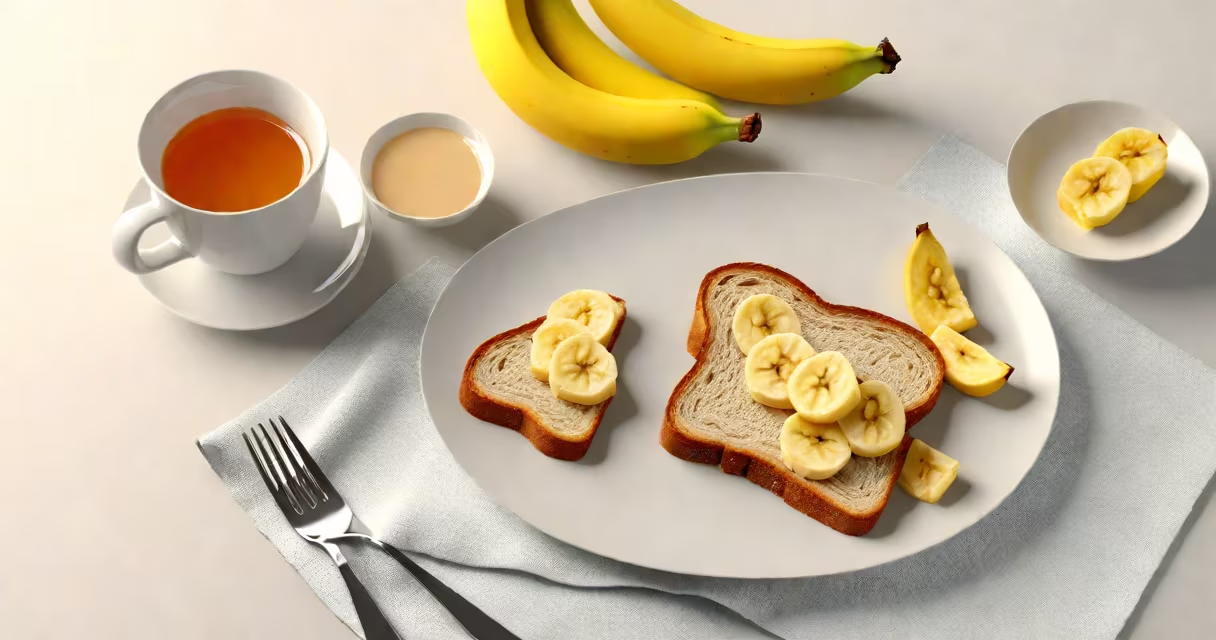
The best meal for nausea consists of bland, low-fat, easily digestible foods such as plain toast, boiled rice, bananas, and ginger tea. These items minimize stomach irritation, reduce acid production, and help restore electrolytes without overwhelming the digestive system.
Nausea arises when the brain's vomiting center activates due to triggers like infection, motion sickness, pregnancy, or medication side effects. The gastrointestinal tract slows down, and gastric motility becomes irregular. During this state, eating high-fiber, spicy, fatty, or acidic foods worsens symptoms. Instead, the ideal meal focuses on simplicity and tolerance.
Research from the National Center for Biotechnology Information (NCBI) confirms that ginger reduces nausea severity in clinical trials, particularly in pregnancy and postoperative settings. A 2019 study showed a 50% reduction in nausea among participants consuming 1 gram of ginger daily compared to placebo.
When nausea strikes, the stomach lining becomes sensitive. High-acid or greasy meals increase gastric acid secretion and delay emptying. This prolongs discomfort and raises the risk of vomiting. The best meal for nausea avoids these issues by using foods that are gentle on the stomach lining and promote gradual digestion.
Bland carbohydrates like white rice and plain toast provide energy without stimulating excess acid. They form a protective layer on the stomach wall. Bananas offer potassium and natural sugars, helping replenish lost electrolytes. Ginger contains gingerol, a compound shown to modulate serotonin receptors in the gut, reducing nausea signals sent to the brain.
Hydration is critical. Dehydration worsens dizziness and fatigue linked to nausea. Sipping clear fluids like water, diluted apple juice, or oral rehydration solutions prevents fluid loss. Drinking slowly-half a cup every 15 minutes-avoids triggering the gag reflex.
Not all bland foods are equally effective. The most supportive options fall into three categories: neutral carbohydrates, mild proteins, and soothing herbs.
| Food Type | Examples | Why It Helps |
|---|---|---|
| Neutral Carbohydrates | White rice, plain toast, crackers, boiled potatoes | Low fiber, low fat, slow to digest. Prevents acid spikes. |
| Mild Proteins | Boiled chicken, scrambled eggs (without butter), tofu | Easy to break down. Avoid fried or seasoned versions. |
| Soothing Herbs & Drinks | Ginger tea, chamomile tea, peppermint infusion | Reduce inflammation and calm gut nerves. Peppermint may relax GI muscles. |
A common mistake is assuming all "bland" foods are safe. For example, oatmeal is often recommended, but its soluble fiber can ferment in the gut and cause bloating. Similarly, yogurt contains probiotics but may trigger nausea in people with lactose intolerance or acute illness.
One non-obvious fact: cold foods are better tolerated than warm ones. A 2021 study published in Frontiers in Nutrition found that patients with chemotherapy-induced nausea reported less symptom severity when consuming chilled foods. Cold temperatures reduce odor intensity and slow gastric motility, decreasing the chance of vomiting.
Many people try to eat "healthy" meals during nausea-like green smoothies or avocado toast-thinking they'll help. But these often contain fiber, fats, or strong flavors that irritate the stomach. The goal isn't nutrition; it's tolerance.
Another misconception is that eating something heavy will settle the stomach. In reality, large meals increase gastric volume, stretching the stomach and worsening nausea. Smaller portions-about 1/4 to 1/3 of normal size-are more effective.
I once tested this during a viral gastroenteritis episode. After hours of dry heaves, I tried a single plain cracker and sipped ginger tea. Within 20 minutes, nausea subsided. Eating more than that triggered another wave. That experience taught me: the best meal for nausea isn't about quantity-it's about minimalism.
If nausea lasts longer than 24 hours, is accompanied by fever, blood in vomit, or severe dehydration (dry mouth, sunken eyes, dizziness), consult a healthcare provider. Persistent nausea may indicate infection, food poisoning, or a neurological issue.
For pregnancy-related nausea, the American College of Obstetricians and Gynecologists (ACOG) recommends ginger supplements (up to 250 mg twice daily) and small frequent meals. Severe cases may require prescription antiemetics.
Children under 2 years old should not consume ginger tea without pediatric approval. Their livers metabolize compounds differently, increasing sensitivity to herbal extracts.
Consider someone experiencing morning nausea from chemotherapy. The best meal for nausea includes:
Consumed over 30 minutes in small sips, this combination provides energy, electrolytes, and anti-nausea compounds without overwhelming the system. No spices, no dairy, no added sugar.
After 2 hours, if tolerated, the person can progress to slightly more varied foods like boiled chicken or rice porridge. But reintroducing food too quickly increases relapse risk.
When nausea strikes, focus on simplicity. The best meal for nausea isn't complex. It's quiet, unobtrusive, and designed to do one thing: ease the stomach so healing can begin.