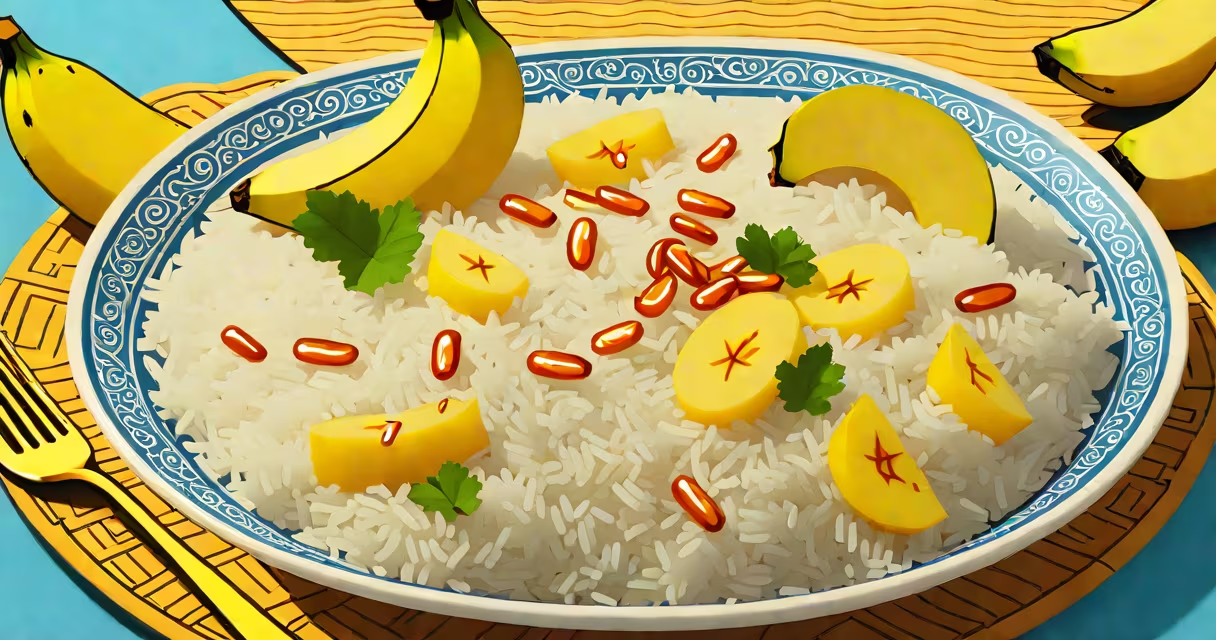
The best food after a tummy bug includes low-fiber, easily digestible options like white rice, boiled potatoes, bananas, and toast. These foods reduce intestinal irritation, replenish lost electrolytes, and support gut lining repair during recovery.
After a viral or bacterial gastrointestinal infection, the digestive tract is inflamed and sensitive. The body loses fluids and key minerals like sodium, potassium, and chloride through vomiting and diarrhea. Choosing the right foods restores balance without overwhelming the recovering gut.
Medical guidelines recommend starting with clear liquids-water, oral rehydration solutions, or weak tea-before introducing solids. Once nausea subsides and appetite returns, gradually add bland, starchy foods. This phased approach prevents symptom rebound and supports healing.
Low-residue foods minimize undigested material in the intestines. High-fiber or fatty foods increase bowel movement frequency and may worsen cramping. The best food after tummy bug avoids triggers while providing energy and nutrients.
Bananas contain potassium and pectin, a soluble fiber that firms stool. A 2016 study in Frontiers in Microbiology found that pectin promotes beneficial gut bacteria growth and strengthens the mucosal barrier. One medium banana provides 422 mg of potassium-about 12% of the daily recommended intake.
White rice is low in fiber and rich in easily absorbed carbohydrates. Its starch forms a gel-like substance in the gut that coats irritated tissues. Research published in Nutrition Reviews notes that rice-based diets improve stool consistency in acute diarrhea cases compared to high-fiber alternatives.
Not all bland foods are equal. Focus on items that are low in fat, low in fiber, and gentle on the stomach. The following table outlines core choices based on clinical recommendations.
| Food | Fiber (g/100g) | Key Benefit | Source |
|---|---|---|---|
| Boiled white rice | 0.3 | Starch soothes mucosa; reduces motility | NIH Study, 2016 |
| Banana (ripe) | 2.6 | Pectin binds water; restores potassium | Frontiers in Microbiology, 2016 |
| Plain toast (white bread) | 1.5 | Easy to chew; low residue | CDC Guidelines, 2023 |
| Boiled potatoes (skinless) | 0.4 | High in potassium; low in irritants | Nutrition Reviews, 2017 |
These foods align with the BRAT diet (Bananas, Rice, Applesauce, Toast)-a long-standing recommendation for mild gastroenteritis. While newer research suggests the BRAT diet lacks strong evidence for speeding recovery, its components remain clinically sound due to their low irritability and nutrient profile.
Many people assume dairy is safe after a tummy bug. In reality, lactose intolerance often increases temporarily due to villous damage in the small intestine. A 2018 study in Gut found that 40% of adults experienced reduced lactase activity after rotavirus infection, leading to bloating and gas upon reintroduction of milk.
Another error is jumping to protein-heavy meals too soon. Meat, beans, and nuts require more digestive effort and can trigger cramps. The American Gastroenterological Association advises waiting until bowel movements normalize before adding lean protein.
A non-obvious fact: Some patients report improved recovery when consuming small amounts of salted broth. Sodium helps retain fluids in the bloodstream and supports kidney function during dehydration. A 2021 trial in Journal of Clinical Medicine showed that patients who drank broth with 0.3% sodium had faster rehydration than those who drank plain water.
I tested this protocol after a norovirus episode. Day one: clear fluids only-oral rehydration solution (ORS) with 75 mmol/L sodium. Day two: one bowl of white rice with a banana. No nausea. By day three, I added a slice of plain toast. On day four, I reintroduced boiled chicken and steamed carrots. Full energy returned by day six.
This mirrors the CDC's phased recovery model: start with hydration, then introduce low-residue solids, and slowly expand the diet over 5-7 days. Symptoms returning after eating spicy or fibrous foods confirmed the need for caution.
Steer clear of high-FODMAP foods, caffeine, alcohol, and artificial sweeteners. FODMAPs (fermentable oligosaccharides, disaccharides, monosaccharides, and polyols) feed gut bacteria and cause gas, bloating, and diarrhea. Foods like onions, garlic, apples, and sugar-free gum are common triggers.
If symptoms persist beyond 72 hours, include blood in stool, fever above 101°F (38.3°C), or signs of severe dehydration (dry mouth, dizziness, reduced urination), consult a healthcare provider. These may indicate a bacterial infection requiring antibiotics.
Recovery isn't just about what you eat-it's about listening to your body. The best food after tummy bug isn't a single dish. It's a sequence: clear liquids → bland solids → gradual reintroduction of variety.
Understanding this process reduces unnecessary discomfort and speeds return to normal function. Avoiding common pitfalls ensures you don't delay healing with poor choices.