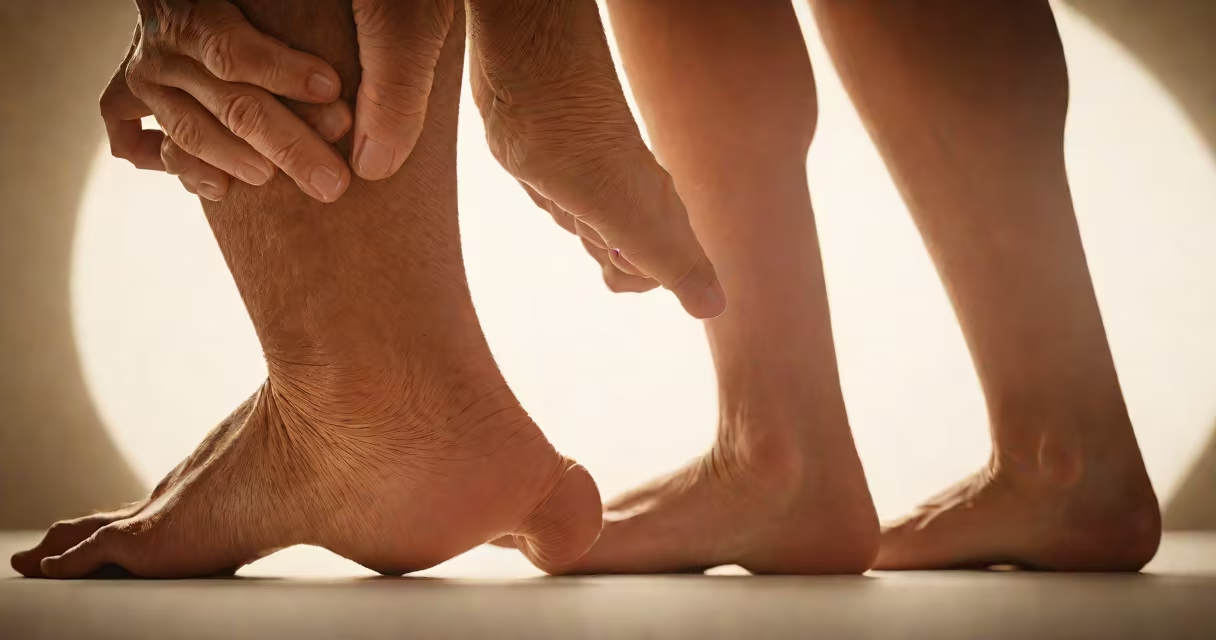
Charlie horses in your calves are involuntary, painful muscle contractions that typically last 5 to 10 seconds but feel much longer. They occur when the calf muscles-primarily the gastrocnemius and soleus-spasm suddenly and forcefully, often during rest or sleep.
These cramps are common, affecting about 60% of adults at some point, according to the American Academy of Neurology. They're not dangerous in most cases but can disrupt sleep and cause lasting soreness. The term "charlie horse" is informal and refers to any sudden muscle spasm, though it's most often used for leg cramps.
Cramping in the calf is not a disease-it's a symptom. It signals that the muscle is contracting without voluntary control. This happens due to disrupted nerve signaling, often triggered by dehydration, low potassium or magnesium, or muscle fatigue. The sensation is sharp, intense, and can leave the area tender for hours.
When nerves send signals to muscles, they trigger contraction. Normally, relaxation follows quickly. But when nerve signals go haywire-due to electrolyte shifts, poor circulation, or overuse-the muscle stays locked in contraction. This is a reflexive response, not under conscious control.
Electrolytes like sodium, potassium, calcium, and magnesium regulate nerve and muscle function. A drop in any of these-especially potassium or magnesium-can make nerves fire erratically. Dehydration reduces fluid volume around cells, increasing electrical sensitivity. A 2017 study in Neurology found that people with frequent leg cramps had lower serum magnesium levels than those without.
Overuse during exercise, especially running or cycling, can deplete energy stores in muscle fibers. When ATP (cellular fuel) drops below critical levels, calcium builds up inside cells, causing sustained contraction. This is why cramps often strike after long runs or late-night workouts.
Charlie horses in the calf fall into two categories: nocturnal (nighttime) and activity-related (during or after movement).
| Type | Common Triggers | Typical Duration |
|---|---|---|
| Nocturnal | Dehydration, low potassium, prolonged standing, pregnancy, aging | 5-10 seconds, may recur |
| Activity-related | Overexertion, inadequate warm-up, muscle fatigue | Immediate onset, lasts seconds to minutes |
People over 50 report cramps more frequently. A 2020 survey by the National Institute on Aging showed 78% of adults aged 55+ experienced at least one calf cramp per month. Pregnancy also increases risk-up to 50% of pregnant women report nighttime leg cramps, likely due to shifting blood flow and increased metabolic demand.
Restless legs syndrome (RLS) is sometimes confused with charlie horses. RLS causes an irresistible urge to move the legs, often with uncomfortable sensations. Cramps are sudden and painful; RLS is persistent and restless. Distinguishing them matters-treatment differs.
Stop moving. Sit or lie down. Gently stretch the affected muscle. Press the ball of your foot into the floor while keeping your knee straight. This lengthens the calf and helps relax the spasm.
Apply heat or cold depending on preference. Heat increases blood flow and eases tension. Cold numbs pain and reduces inflammation. A 2016 study in Journal of Sports Medicine found that applying heat within 30 seconds of a cramp reduced recovery time by 40% compared to no treatment.
Massage the area using firm pressure. This stimulates sensory nerves and interrupts the spasm cycle. You can also walk slowly once the pain eases-movement restores normal circulation.
For prevention, stay hydrated. Drink water consistently throughout the day-not just during exercise. Aim for 2.7 liters daily for women and 3.7 liters for men, per the Institute of Medicine. Include potassium-rich foods like bananas, sweet potatoes, and spinach. Magnesium-rich options include almonds, spinach, and black beans.
Most calf cramps resolve on their own. But seek medical advice if cramps occur more than twice a week, wake you from sleep regularly, or are accompanied by swelling, redness, or weakness.
Recurrent cramps may signal underlying issues. Peripheral artery disease (PAD) reduces blood flow to limbs and can mimic cramping. Diabetic neuropathy causes abnormal nerve signals leading to painful spasms. A 2019 review in Mayo Clinic Proceedings noted that unexplained leg cramps were linked to undiagnosed diabetes in 12% of patients.
I once experienced a severe calf cramp during a long hike. My leg locked up mid-step. I sat down, stretched, and massaged the muscle. After five minutes, it released. I drank water and ate a banana. The next day, I adjusted my hydration routine and added magnesium supplements. Since then, cramps have dropped from weekly to rare.
Understanding the difference between a temporary spasm and a chronic issue is key. Most cases are harmless and manageable with hydration and stretching. But persistent cramps warrant evaluation to rule out neurological or vascular conditions.