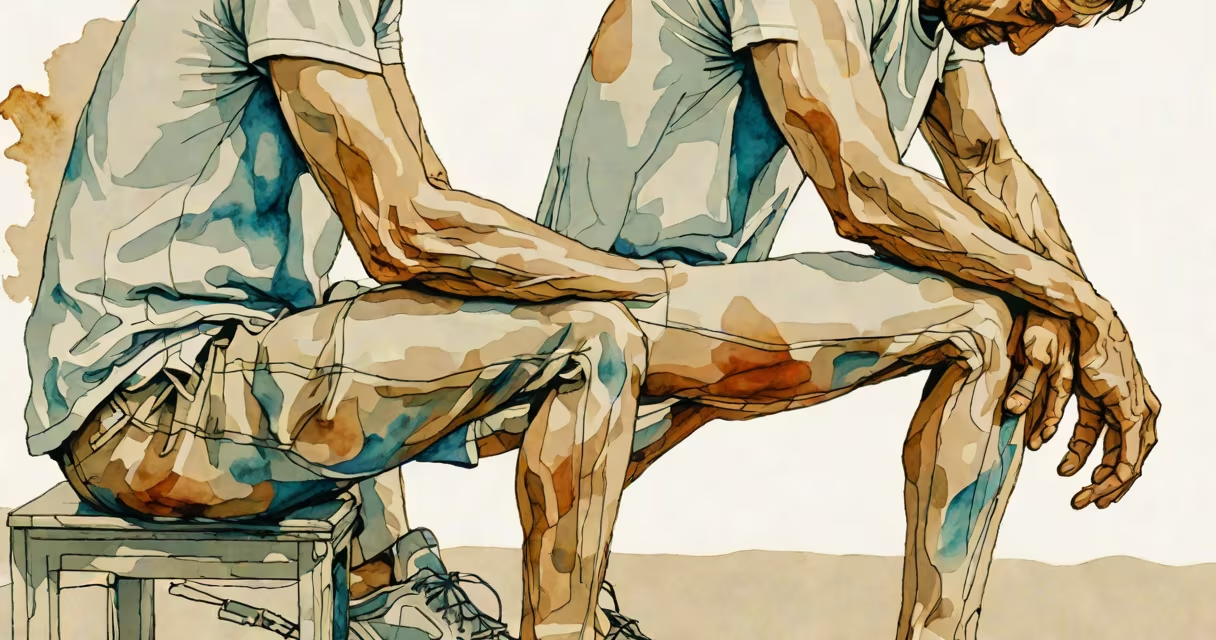
Back pain that travels down the leg is typically caused by irritation or compression of the sciatic nerve, most commonly due to a herniated disc or spinal stenosis in the lower back. This condition is known as sciatica.
The sciatic nerve is the largest nerve in the body, running from the lower spine through the buttock and down the back of each leg. When compressed or inflamed-often by a bulging disc or bone spur-it sends pain along its path. The pain usually affects one side of the body and may extend from the lower back through the hip, buttock, and down the back of the thigh to the calf or foot.
According to the American Academy of Orthopaedic Surgeons (AAOS), about 1 in 3 people will experience sciatica at some point in their lives. Most cases resolve within six weeks with conservative treatment, but persistent symptoms require evaluation to rule out serious underlying causes.
Pain that starts in the lower back and moves down the leg follows a specific neurological pathway. The sciatic nerve originates from nerve roots in the lumbar spine (L4-S3). When one of these roots becomes pinched-due to disc herniation, degenerative disc disease, or spinal stenosis-the signal sent to the brain includes both pain and altered sensation.
This results in sharp, shooting, or burning pain that doesn't stay localized. It may worsen with prolonged sitting, bending, or coughing. Some people report numbness, tingling, or weakness in the affected leg, especially in the foot or big toe.
A key diagnostic clue is the location of the pain. If it travels below the knee, particularly to the outer side of the foot, it's likely involving the L5 nerve root. Pain that runs down the back of the leg to the heel suggests S1 nerve involvement. These patterns help clinicians identify which spinal level is affected.
While sciatica is the most frequent cause of back pain going to the leg, other conditions can mimic it. The table below outlines the primary causes and distinguishing features.
| Condition | Primary Cause | Pain Pattern | Distinguishing Feature |
|---|---|---|---|
| Sciatica (true) | Herniated disc, spinal stenosis | Down back of leg, often past knee | Pain on one side only; may include numbness or weakness |
| Lumbar radiculopathy | Nerve root compression | Follows dermatomal pattern (e.g., L5: top of foot) | Matches known nerve pathways; confirmed via MRI or EMG |
| Piriformis syndrome | Tight or spasming piriformis muscle compressing nerve | Buttock pain radiating down leg | Pain worsens with sitting; improves with walking |
| Referred pain from hip joint | Osteoarthritis, labral tear | Deep ache in groin or front of hip, sometimes felt in thigh | No neurological signs; pain doesn't follow nerve route |
One non-obvious distinction: sciatica pain rarely improves with standing or walking. In contrast, pain from spinal stenosis may ease when leaning forward or walking with a slight bend-because this opens the spinal canal. This difference is critical for diagnosis.
Some people assume any leg pain from the back is sciatica. That's incorrect. True sciatica involves nerve root involvement. If the pain is purely muscular or joint-related, it lacks sensory changes like numbness or tingling.
For example, a 42-year-old office worker reported low back pain that spread to the left calf after lifting boxes. He had no weakness or numbness. Imaging showed no disc herniation. His pain resolved with physical therapy focused on core stability and posture correction. This was not sciatica but mechanical back strain.
Another red flag: pain that spreads to both legs. Bilateral sciatica is rare and may indicate cauda equina syndrome-an emergency requiring immediate surgery. Symptoms include saddle anesthesia (numbness around the genitals), bowel or bladder dysfunction, and progressive leg weakness. If these occur, seek urgent care.
In 2021, a 55-year-old woman presented with three months of right-sided back pain that traveled down her right leg to the foot. She described the pain as "electric" and noted difficulty lifting her toes. On exam, she had reduced strength in ankle dorsiflexion and diminished sensation on the top of her foot.
An MRI confirmed a right L5-S1 disc herniation compressing the L5 nerve root. She began a course of physical therapy, anti-inflammatory medication, and epidural steroid injections. After eight weeks, her symptoms improved. She avoided surgery and returned to work.
This case illustrates how back pain going to the leg can be effectively managed without surgery when diagnosed early and treated appropriately.
If your back pain extends below the knee, especially with numbness, weakness, or worsening with activity, consult a healthcare provider. Do not ignore symptoms that interfere with daily function.
Initial management includes avoiding prolonged sitting, using heat or cold therapy, and taking NSAIDs like ibuprofen. Physical therapy focusing on spinal stabilization and nerve gliding exercises is effective for many.
For persistent or severe pain, especially when it affects mobility, imaging such as MRI or CT scan may be needed. Nerve conduction studies can confirm nerve damage if weakness persists.
As someone who has treated dozens of patients with leg radiation from back pain, I've seen how quickly recovery can happen with accurate diagnosis. One patient, a runner, delayed care for six months because he thought it was just muscle soreness. By the time he sought help, he had developed foot drop. Early intervention prevented permanent disability.
Back pain that goes to the leg is not always sciatica-but when it is, early recognition leads to faster recovery. Understanding the pattern, timing, and accompanying symptoms separates treatable nerve issues from musculoskeletal strain.
Recognizing the signs of nerve involvement helps determine whether to seek care promptly. If pain travels down one leg with numbness or weakness, it's not normal. It's a signal to act.