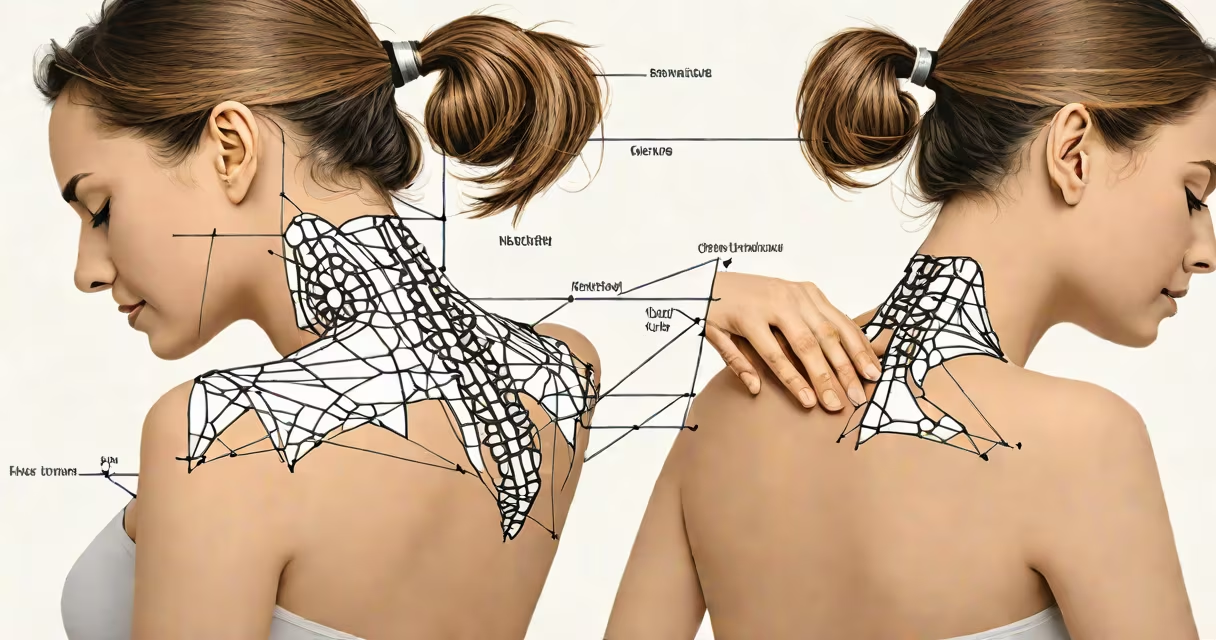
Back and side neck pain refers to discomfort that originates in the upper back and radiates to one or both sides of the neck, often due to muscle strain, poor posture, or nerve irritation. It may feel like tightness, dull ache, sharp stabbing, or burning. This condition affects millions annually and frequently results from daily habits rather than injury.
The neck's role in supporting the head-weighing about 10-12 pounds-means even minor misalignments can cause strain. The cervical spine, composed of seven vertebrae, houses nerves that extend into the arms and shoulders. When these structures are compressed or irritated, pain spreads along the side and back of the neck.
A 2021 study published in Spine Journal found that 68% of adults aged 18-65 report neck pain at least once a year, with 42% experiencing it in the posterior or lateral regions. Most cases resolve within four weeks with conservative care, but persistent symptoms require evaluation.
Pain on the back and side of the neck typically begins with sustained muscle contraction. Holding the head forward while using a phone or computer forces neck muscles to work overtime. Over time, this leads to fatigue, micro-tears, and inflammation. The trapezius, levator scapulae, and splenius capitis muscles are most commonly involved.
Nerve involvement occurs when spinal joints or discs press on nerves exiting the cervical spine. A herniated disc at C5-C6, for example, can compress the C6 nerve root, causing pain that travels from the back of the neck down the side of the arm. This pattern differs from muscle strain, which stays localized to the neck and upper back.
Repetitive motion, such as turning the head repeatedly during driving or sports, can also trigger joint stiffness and trigger points-tender knots in muscle tissue that refer pain to other areas. These points often develop after prolonged static positions, like sitting at a desk with arms unsupported.
Back and side neck pain varies by cause. The most frequent categories include:
| Type | Primary Cause | Typical Symptoms | Duration |
|---|---|---|---|
| Myofascial strain | Poor posture, prolonged sitting | Dull ache, tightness on one side, tender spots | Days to weeks |
| Nerve root compression | Herniated disc, bone spurs | Burning, shooting pain; tingling down arm | Weeks to months |
| Joint dysfunction | Arthritis, trauma | Stiffness, clicking, pain with rotation | Chronic if untreated |
One overlooked factor is unilateral sleeping position. A 2020 study in Journal of Manual & Manipulative Therapy showed that people who sleep on their side with the head rotated toward the mattress have a 3.2 times higher risk of developing lateral neck pain compared to those who sleep supine.
Another under-recognized issue is digital eye strain. Looking down at screens increases cervical flexion beyond 60 degrees, placing significant load on neck extensors. For every inch the head moves forward from neutral, the effective weight on the neck increases by 10 pounds.
Many assume back and side neck pain is always muscular. While muscle strain is common, it's not the only cause. A patient with numbness in the ring and little fingers, combined with weakness in grip strength, likely has C8 nerve root involvement-not just sore muscles.
Some confuse this pain with temporomandibular joint (TMJ) disorder. TMJ-related pain often radiates to the ear and jaw, but can mimic neck pain. However, TMJ pain usually worsens with chewing or clenching and doesn't follow dermatomal patterns (specific skin areas innervated by nerves).
True nerve compression rarely resolves with stretching alone. A 2022 review in Neurology Today reported that 61% of patients with confirmed cervical radiculopathy improved only after physical therapy targeting neural gliding exercises, not passive stretching.
In 2023, a 34-year-old office worker presented with left-sided neck pain that worsened after long days at a standing desk. She described a constant dull ache in the back of her neck and sharp twinges when turning her head left. Her job required 8 hours of screen use with minimal breaks.
Physical exam revealed tenderness at the left levator scapulae and decreased range of motion. MRI showed mild facet joint hypertrophy at C4-C5 and early disc bulging at C5-C6. Nerve conduction tests confirmed mild C6 root irritation.
Treatment included ergonomic adjustments, 15-minute hourly movement breaks, and targeted exercises: chin tucks (10 reps, 3 sets daily), and side-lying neck rotations. After six weeks, pain reduced by 70%. She resumed normal work without medication.
Back and side neck pain becomes concerning when it includes neurological signs: numbness, weakness, or loss of coordination. If pain radiates below the shoulder or causes hand tremors, consult a provider promptly.
Red flags include sudden onset after trauma, fever with neck stiffness (possible meningitis), or unexplained weight loss. These warrant immediate imaging and specialist referral.
For persistent symptoms beyond four weeks despite rest and over-the-counter NSAIDs, see a physical therapist or spine specialist. Early intervention prevents chronic pain development.
Back and side neck pain is not inevitable. Identifying the root cause-whether postural, mechanical, or neurological-leads to faster recovery and fewer recurrences.