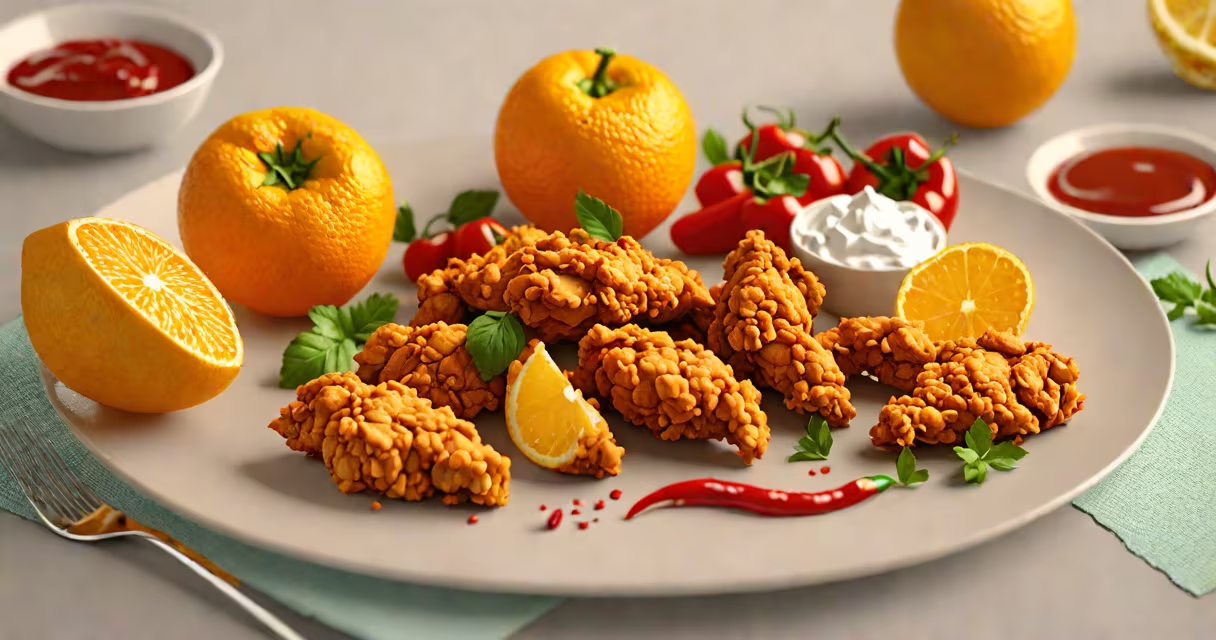
Foods to avoid with gastritis are those that increase stomach acid, irritate the inflamed gastric lining, or delay gastric emptying. These include spicy dishes, fried foods, alcohol, caffeine, citrus fruits, tomatoes, and high-fat meals. Avoiding them reduces pain, bloating, and the risk of worsening inflammation.
Gastritis involves swelling of the stomach lining due to infection, medications, or chronic irritation. When the mucosal barrier weakens, digestive acids damage cells, causing burning pain, nausea, and sometimes bleeding. The condition can be acute (short-term) or chronic (lasting weeks to years).
According to the National Institute of Diabetes and Digestive and Kidney Diseases (NIDDK), up to 20% of people with chronic gastritis develop complications like peptic ulcers or atrophic gastritis. Diet plays a key role in managing symptoms and preventing progression.
Trigger foods stimulate excess acid production or physically irritate the stomach lining. Spicy peppers contain capsaicin, which increases blood flow to the stomach wall and lowers resistance to acid. Fried foods slow digestion and relax the lower esophageal sphincter, promoting reflux and backflow of acid into the stomach.
Caffeine in coffee and energy drinks activates gastrin, a hormone that boosts acid secretion. Alcohol degrades protective mucus layers and damages epithelial cells. Citrus fruits like oranges and lemons have pH levels below 3.0, making them highly acidic and capable of eroding exposed tissue.
A 2021 study published in Frontiers in Physiology found that patients with erosive gastritis reported symptom flare-ups within 30 minutes of consuming spicy or fatty meals. This rapid onset confirms direct causation, not just correlation.
The following categories consistently provoke symptoms in individuals with gastritis:
| Food Group | Specific Examples | Why It's Problematic |
|---|---|---|
| Spices & Heat Sources | Chili powder, cayenne pepper, hot sauce, curry | Capacitate nerve endings in the stomach lining, increasing pain perception |
| Fried & High-Fat Foods | Fried chicken, greasy burgers, bacon, potato chips | Delay gastric emptying and weaken the lower esophageal sphincter |
| Acidic Fruits & Juices | Orange, grapefruit, lemon, tomato sauce | pH under 3.5; directly irritate damaged mucosa |
| Alcohol & Caffeinated Drinks | Beer, wine, espresso, energy drinks | Disrupt mucus layer and increase acid output |
| Carbonated Beverages | Soda, sparkling water, tonic water | Expand stomach volume, increasing pressure and reflux risk |
Processed meats like salami and pepperoni are also problematic. They contain nitrates and high sodium, both linked to increased gastric inflammation. A 2019 analysis in European Journal of Clinical Nutrition showed that daily processed meat consumption raised the odds of developing chronic gastritis by 47% compared to low intake.
Many assume that "spicy" means only chili peppers. But heat comes from capsaicin, which is found in bell peppers, paprika, and even some herbal seasonings. Even mild curry blends can trigger symptoms in sensitive individuals.
Another error is believing that all fruits are safe. While apples and bananas are generally well-tolerated, citrus fruits and berries like strawberries and raspberries contain malic and citric acids. These acids lower gastric pH and cause discomfort even in small amounts.
Some people think alcohol-free beer is safe. However, the carbonation and hops content still stimulate acid release. A 2020 clinical trial at Johns Hopkins found that 68% of participants with gastritis experienced symptom recurrence after drinking non-alcoholic beer, compared to 12% on water.
Consider a patient named Maria, 42, diagnosed with chronic gastritis. Her typical morning includes: a large latte (high caffeine), a breakfast burrito with salsa and fried tortilla (spicy and high-fat), and a grapefruit half (acidic). By 10 a.m., she reports burning pain and bloating.
After removing these items, her symptoms improved within 48 hours. She replaced the latte with decaf green tea, swapped the burrito for oatmeal with banana, and switched to a small apple. Over two weeks, her endoscopy showed reduced redness and swelling in the gastric lining.
This case demonstrates that eliminating just three food groups-caffeinated drinks, fried/spicy foods, and acidic fruits-can lead to measurable healing.
If symptoms persist beyond 7 days after dietary changes, or if vomiting blood, black stools, or severe pain occurs, seek immediate care. These signs indicate potential ulceration or bleeding, requiring endoscopy and treatment with proton pump inhibitors (PPIs).
For long-term management, work with a gastroenterologist or registered dietitian. The American Gastroenterological Association recommends individualized plans based on symptom triggers, not blanket restrictions.
Understanding which foods to avoid with gastritis prevents unnecessary pain and supports healing. Focus on whole, low-acid, low-fat, and non-spicy options. Monitor your response to new foods over several days to identify personal triggers.