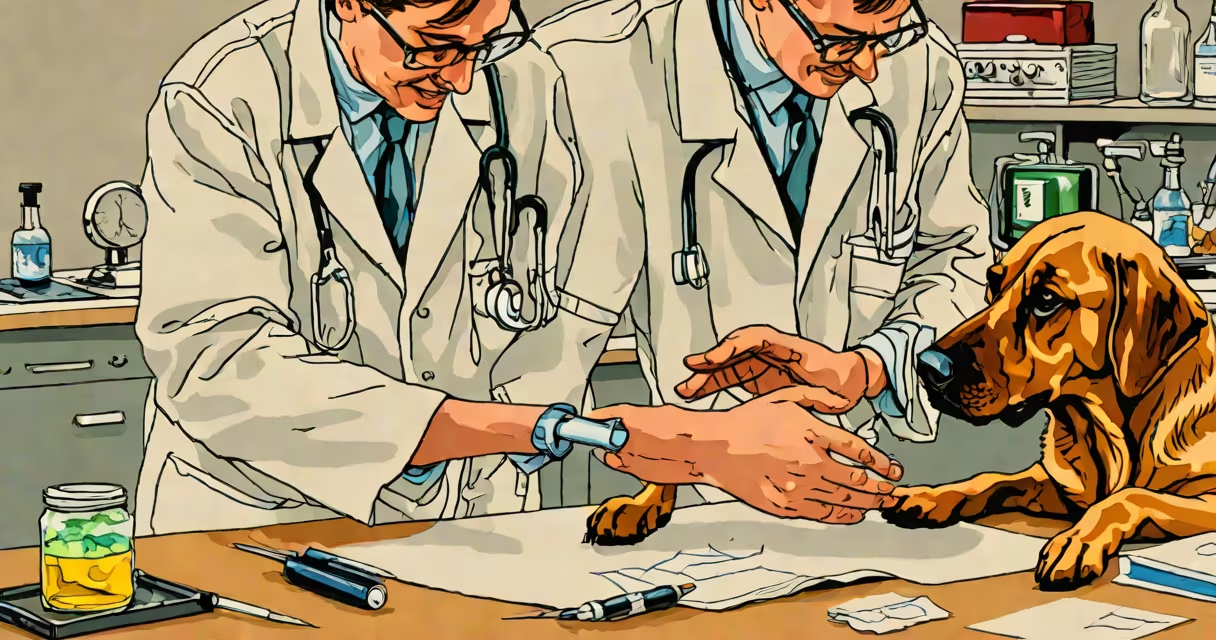
The bachelor of veterinary medicine is a professional undergraduate degree that qualifies graduates to practice veterinary medicine, diagnose animal diseases, perform surgeries, and manage animal health across species. It typically spans five years and includes classroom instruction, laboratory work, and supervised clinical rotations.
This degree is distinct from general biology or animal science programs. It aims to meet the rigorous standards required for licensure as a veterinarian in countries such as the UK, Australia, and New Zealand. Graduates must pass national licensing exams before they may legally treat animals.
Unlike medical degrees for humans, which often require prior undergraduate study, the bachelor of veterinary medicine is a standalone first degree. Students enter directly from secondary school, making it one of the few professional degrees offered at the undergraduate level in healthcare.
Curricula in bachelor of veterinary medicine programs follow a structured progression. The first two years focus on foundational sciences: anatomy, physiology, biochemistry, microbiology, and pathology. Students learn through lectures, dissections, and hands-on labs using preserved specimens and models.
From year three onward, the focus shifts to clinical skills. Students begin working with live animals under supervision. They learn to perform physical exams, interpret diagnostic tests like blood panels and imaging, administer medications, and conduct basic surgical procedures. Rotations cover companion animals (dogs, cats), farm animals (cattle, sheep), and exotic species.
A key component is the clinical year, where students spend time in veterinary hospitals, clinics, and field settings. For example, at the University of Melbourne's Faculty of Veterinary Science, students complete 1,200 hours of clinical experience across 16 different placements. This ensures they gain exposure to diverse cases, including emergency care, reproductive health, and zoonotic disease management.
While the core structure remains consistent, program length and admission requirements vary by country. The following table outlines major differences among leading institutions:
| Country/University | Duration | Admission Requirement | Unique Feature |
|---|---|---|---|
| UK - Royal Veterinary College (RVC) | 5 years | A-levels in Biology, Chemistry; high UCAS score | Integrated research projects in animal welfare and conservation |
| Australia - University of Queensland | 5 years | ATAR 95+; interviews; rural placement requirement | Emphasis on remote and Indigenous community animal care |
| New Zealand - Massey University | 5 years | NZQA Level 3 credits; personal statement; aptitude test | Strong focus on farm animal health and sustainable agriculture |
Some programs offer dual qualifications. For instance, the University of Edinburgh offers a combined BVMedSci and MSc in Veterinary Public Health. These allow graduates to pursue roles in disease surveillance, food safety, and international animal health policy.
Many assume the bachelor of veterinary medicine is equivalent to a bachelor of science in animal biology. That's incorrect. While both involve animal health, the former leads to clinical practice and legal authority to prescribe medication and perform surgery. The latter is research-focused and does not qualify for licensure.
Another misconception is that veterinary medicine is only about pets. In reality, veterinarians play critical roles in public health. According to the World Organisation for Animal Health (WOAH), over 60% of emerging infectious diseases originate in animals. Veterinarians are frontline workers in preventing outbreaks like avian influenza and rabies.
A lesser-known fact: in many countries, the bachelor of veterinary medicine is accredited by national bodies such as the Royal College of Veterinary Surgeons (RCVS) in the UK or the Australian Veterinary Association (AVA). Accreditation ensures curricula meet minimum standards for clinical competency and ethics. Programs without accreditation cannot lead to licensure.
After graduation, veterinarians enter one of several career paths. A 2023 survey by the American Veterinary Medical Association (AVMA) found that 58% of new graduates chose private practice, 15% joined government agencies, and 12% entered academia or research.
Consider Dr. Elena Torres, who completed her bachelor of veterinary medicine at the University of Sydney. She began her career in a mixed-animal clinic in rural NSW. Her first month included 140 patient visits: 65 dogs, 32 cats, 20 sheep, and 13 cattle. She managed everything from ear infections to dystocia (difficult births) and performed routine spays and neuters.
She later transitioned to a role with the NSW Department of Primary Industries, where she investigated a cluster of bovine tuberculosis cases on a dairy farm. Her diagnosis led to herd quarantine and vaccination, preventing regional spread. This illustrates how the degree enables direct impact on animal populations and human food systems.
Admission to a bachelor of veterinary medicine program is highly competitive. At the University of Bristol, the acceptance rate was 6.2% in 2023, with over 1,800 applicants for 115 spots. Applicants must demonstrate academic excellence, relevant experience, and personal motivation.
I once observed a selection panel interview candidates at the Royal Veterinary College. One applicant stood out not for perfect grades, but for documenting a six-month internship at a wildlife rescue center, where he assisted in rehabilitating injured foxes and birds of prey. His application included a detailed log of daily tasks, photos of procedures, and a letter from a senior vet attesting to his reliability. He was accepted.
Prospective students should start early. Gain experience through volunteering at shelters, farms, or veterinary clinics. Take science courses with lab components. Prepare for entrance exams like the UKCAT or UMAT, depending on location.
Once enrolled, the workload is intense. A typical week includes 25 contact hours: 10 in lectures, 8 in labs, and 7 in clinical sessions. Students average 15 hours of independent study per week. Burnout is common, but support systems exist. Most universities offer mental health counseling and peer mentorship programs.
Graduates earn a median starting salary of $65,000 USD annually in the United States, according to AVMA data. Salaries rise with specialization-veterinary surgeons earn up to $120,000, while those in public health or research may reach $90,000.
The bachelor of veterinary medicine is not a pathway for casual interest. It demands commitment, resilience, and a deep respect for animal life. But for those drawn to healing, science, and service, it provides a clear, respected, and impactful career.