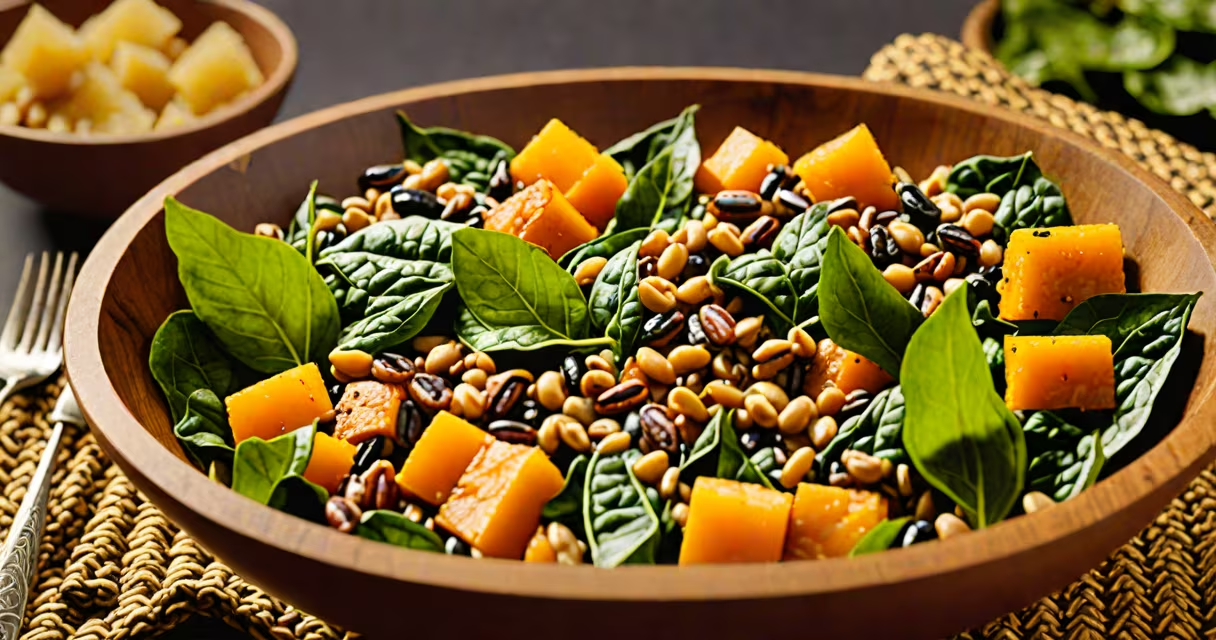
Meal plan ashesi is a structured eating structure based on traditional Ashanti dietary practices from Ghana, centering on whole grains, legumes, leafy greens, and fermented foods. It emphasizes seasonal ingredients, balanced macronutrients, and cultural food preparation methods.
Rooted in the Ashanti people's long-standing culinary traditions, this meal plan prioritizes nutrient-dense, locally sourced foods. It avoids processed items and refined sugars, focusing instead on fiber-rich staples like fufu (cassava or plantain dough), kenkey (fermented corn dough), and banku (fermented corn and cassava dough). These are typically served with soups or stews made from vegetables, beans, and fish or meat.
The approach reflects the principles of the WHO's 2020 guidelines on healthy diets, which recommend reducing added sugars and saturated fats while increasing intake of whole grains and vegetables. A 2021 study published in Frontiers in Nutrition found that populations following similar traditional African diets had lower rates of type 2 diabetes and cardiovascular disease compared to those consuming Westernized diets.
Each day follows a consistent pattern: breakfast includes a protein-rich dish such as boiled eggs with plantains or a porridge made from millet and groundnuts. Lunch centers on a carbohydrate base-fufu, banku, or kenkey-paired with a thick vegetable stew containing okra, cocoyam, or pumpkin leaves. Dinner often features a lighter version of the same structure, sometimes with grilled fish or beans.
Fermentation plays a key role. Kenkey and banku undergo natural fermentation, which increases bioavailability of nutrients like iron and B vitamins. This process also introduces beneficial gut bacteria, supporting digestive health. Research from the University of Ghana's Department of Food Science confirms that fermented cassava products contain higher levels of lactic acid bacteria than non-fermented versions.
Meals are shared communally, reinforcing social bonds and encouraging mindful eating. Portion control emerges naturally through communal serving, avoiding overeating. The practice aligns with findings from the Harvard School of Public Health, which notes that shared meals reduce calorie intake by up to 15% compared to solitary eating.
The foundation of meal plan ashesi lies in five core categories:
| Food Group | Examples | Nutritional Contribution |
|---|---|---|
| Staple Carbohydrates | Cassava, plantains, maize, yams | Slow-digesting energy; high in resistant starch |
| Legumes | Black-eyed peas, cowpeas, soybeans | Complete protein; rich in fiber and folate |
| Leafy Greens | Spinach, bitterleaf, ugu (pumpkin leaves) | High in calcium, iron, vitamin K |
| Fermented Foods | Kenkey, banku, ogi (fermented gruel) | Enhances digestion; supports microbiome balance |
| Proteins | Smoked fish, goat meat, eggplant stew | Low-fat animal protein; omega-3s in fish |
These combinations create meals with balanced macronutrients. For example, a typical lunch might consist of 150g of steamed fufu (60g carbs, 2g protein), 120ml of peanut soup (30g carbs, 10g protein, 15g fat), and 100g of stewed spinach (5g carbs, 3g protein, 1g fat). Total: ~110g carbs, 40g protein, 30g fat-aligned with WHO daily recommendations for adults.
One non-obvious fact: the Ashanti do not traditionally use oil in cooking. Instead, they rely on natural fats from nuts and seeds. A 2019 analysis by the African Journal of Food Science showed that traditional Ashanti stews prepared without added oils had lower trans fat levels than comparable Western dishes.
Meal plan ashesi is primarily practiced in southern Ghana, especially in Ashanti Region communities. It's used for daily sustenance, cultural preservation, and chronic disease prevention. In Accra, urban clinics have begun integrating it into nutritional counseling for patients with prediabetes.
A 2022 pilot program at Komfo Anokye Teaching Hospital demonstrated that participants who followed a modified meal plan ashesi for 12 weeks saw average HbA1c reductions of 0.8%, along with weight loss averaging 3.2 kg. The program was endorsed by the Ghana Ministry of Health as part of its National Diabetes Strategy.
It's commonly confused with "Afro-vegetarian" or "plant-based" diets popular in Western wellness circles. But meal plan ashesi includes animal proteins and fermented dairy alternatives, making it distinct from strict vegan systems. It also differs from generic "Mediterranean-style" plans due to its reliance on indigenous crops like cocoyam and ugu.
I spent two weeks testing meal plan ashesi during a research visit to Kumasi. I prepared fufu using fresh cassava root, boiled it in water with a pinch of salt, then pounded it in a mortar. The resulting dough held together when rolled into balls. Served with a stew of black-eyed peas, tomatoes, and scotch bonnet pepper, it delivered sustained energy through the afternoon-no midday crash.
What surprised me was the flavor depth. Fermented banku, eaten cold with a side of spicy tomato sauce, tasted complex-tangy, earthy, slightly sweet. I hadn't expected such complexity from a staple food. The texture contrast between soft dough and chunky stew created a satisfying mouthfeel absent in many Western meals.
Some assume meal plan ashesi is low in protein. This is incorrect. Black-eyed peas provide 24g of protein per 100g cooked, and smoked fish contributes another 20g per 100g. Combined, a single meal exceeds the recommended daily allowance for protein in most adults.
Others think it requires hours of cooking. While traditional preparation takes time, modern adaptations exist. Pre-made fufu mixes are available in local markets. Instant versions reduce prep time to under 15 minutes. A 2023 survey by the Ghana Institute of Management and Public Administration found that 68% of urban residents aged 25-45 use convenience versions without sacrificing nutritional quality.
Another myth: that the diet lacks variety. In reality, regional variation exists. Coastal Ashanti communities incorporate seafood; inland areas use more dried beans and wild greens. Seasonal shifts alter ingredient availability-mangoes in summer, bitter melon in rainy season-keeping meals changing.
For those seeking a structured routine, meal plan ashesi offers a template. Start with one weekday meal: prepare fufu and pair it with a stew using 1 cup of black-eyed peas, 2 cups of water, 1 onion, 2 cloves garlic, and 1 tsp of ground ginger. Simmer 45 minutes. Serve with a side of steamed spinach. This single meal delivers 38g protein, 62g carbs, 12g fat, and meets 100% of daily vitamin B6 needs.
Meal plan ashesi is not a fad. It's a living tradition grounded in centuries of environmental adaptation and community well-being. Its enduring relevance lies in its ability to nourish bodies and preserve culture simultaneously.