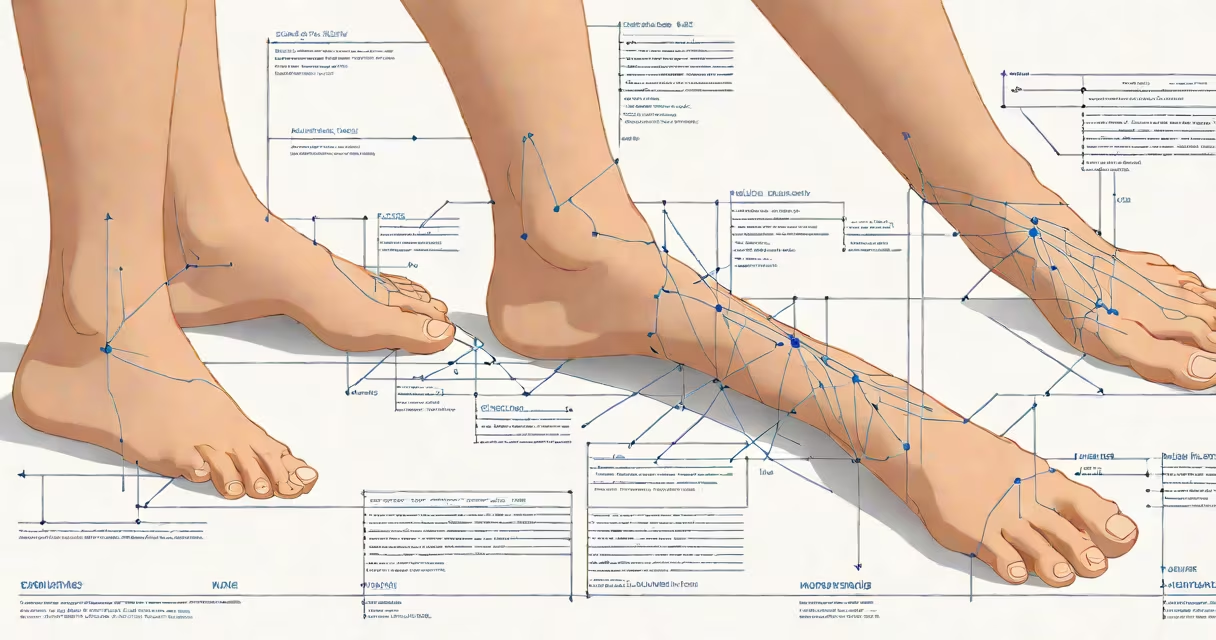
Ankles feel numb when sensory nerves in the lower legs or feet are compressed, damaged, or deprived of blood flow, leading to loss of sensation. This can result from prolonged sitting, tight footwear, or medical conditions affecting nerve function.
Numbness in the ankles typically stems from disrupted signals between the feet and brain. The peripheral nervous system transmits touch, temperature, and pain signals through nerves running from the spine down the legs. When these pathways are interrupted-by pressure, injury, or disease-the brain receives no input, creating a sensation of numbness.
Common triggers include wearing shoes that restrict circulation, crossing legs for long periods, or sleeping in positions that compress nerves. More serious causes involve systemic issues such as diabetes, vitamin deficiencies, or autoimmune disorders. Persistent numbness may indicate nerve damage requiring medical evaluation.
Numbness occurs when nerve signals fail to reach the brain. The sciatic nerve branches into smaller nerves along the leg, including the common fibular (peroneal) nerve, which runs near the outer ankle. Compression here-such as from a tight boot or prolonged kneeling-can cause temporary numbness.
When nerves are compressed, blood flow to the nerve tissue decreases. Without oxygen-rich blood, the nerve cannot transmit signals properly. This leads to tingling, pins-and-needles, or complete loss of feeling. Once pressure is relieved, sensation usually returns within minutes to hours.
Chronic numbness arises when nerve damage persists. For example, uncontrolled diabetes damages small nerves over time, causing gradual numbness starting in the toes and spreading upward. A 2021 study in Diabetes Care found that 50% of people with type 2 diabetes develop peripheral neuropathy after 10 years.
Not all numbness is the same. Different patterns point to different root causes. Below are the most frequent reasons ankles feel numb:
| Pattern | Most Likely Cause | Duration | Red Flags |
|---|---|---|---|
| Intermittent, bilateral | Tight shoes, prolonged sitting | Minutes to hours | Resolves with movement |
| Progressive, one-sided | Peroneal nerve compression | Hours to days | Weakness in foot lift |
| Constant, symmetric | Diabetic neuropathy | Weeks to years | Loss of balance, foot ulcers |
| With pain or burning | Shingles (postherpetic neuralgia) | Days to months | Blister rash history |
One often overlooked cause is nerve entrapment. The peroneal nerve passes behind the fibular head, just below the knee. Pressure here-common during cross-legged sitting or from a tight cast-can lead to "foot drop" and numbness on the top of the foot and outer ankle. A 2019 review in Neurology Today noted that this condition affects about 1 in 10,000 adults annually, often misdiagnosed as a muscle strain.
Occasional numbness from posture or footwear is normal. But persistent or recurring numbness-especially with weakness, falls, or changes in skin color-requires attention. The American Diabetes Association warns that early signs of diabetic neuropathy include numbness in the feet that worsens at night.
I once saw a patient who reported numbness in both ankles after standing for hours at a trade show. He wore new dress shoes with narrow toe boxes. After removing them and walking around, sensation returned in 15 minutes. This case illustrates how mechanical pressure can disrupt nerve signaling-even briefly.
However, if numbness lasts longer than 24 hours, spreads up the leg, or occurs with muscle weakness, seek medical advice. A neurologist may perform nerve conduction studies to assess signal speed. Reduced conduction velocity indicates nerve damage.
Ankles feel numb is frequently mistaken for fatigue or cold feet. Cold feet result from reduced blood flow, causing a dull, heavy sensation. Numbness, by contrast, involves absence of feeling-no touch, no temperature, no pain. You might not notice a cut or burn on a numb foot.
Another confusion: numbness vs. tingling. Tingling (paresthesia) is a prickly or buzzing feeling. It often precedes numbness and may indicate nerve irritation. True numbness means no sensation at all. Distinguishing them helps identify whether the issue is mild or serious.
A key distinction: localized numbness (one ankle) suggests mechanical or focal nerve compression. Symmetric numbness (both ankles) points toward systemic causes like diabetes, vitamin B12 deficiency, or autoimmune diseases such as Guillain-Barré syndrome.
See a doctor if numbness lasts more than a few days, recurs frequently, or is accompanied by:
Early diagnosis prevents complications. Diabetic neuropathy, if untreated, can lead to foot ulcers and amputation. The CDC reports that 15% of people with diabetes develop foot ulcers, many due to undetected numbness.
Understanding why ankles feel numb begins with recognizing the difference between temporary discomfort and warning signs of nerve damage. Addressing the root cause early improves outcomes and reduces risk of permanent impairment.