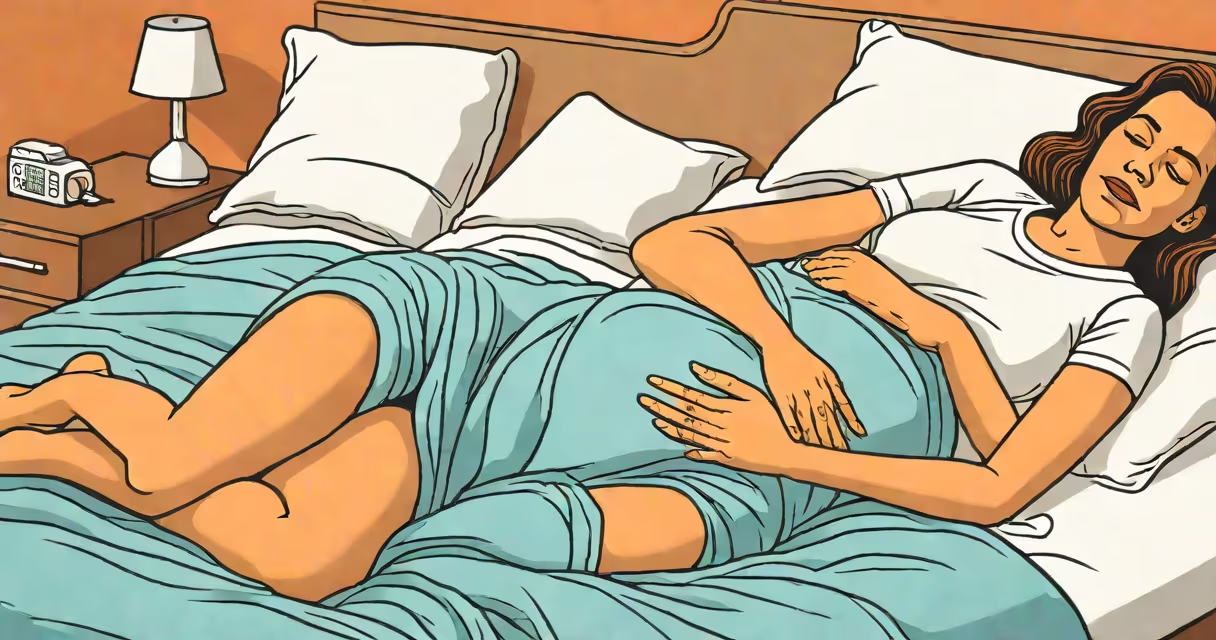
Bloating after egg transfer is a frequent physical sensation experienced during in vitro fertilization (IVF) cycles, primarily caused by elevated estrogen levels and fluid accumulation in the abdominal cavity. It typically begins during ovarian stimulation and may persist through embryo transfer and early pregnancy. The condition is usually temporary and resolves within days to weeks, though severe cases require medical evaluation.
During IVF, fertility drugs stimulate multiple follicles to mature, leading to high estrogen production. This hormone increases blood vessel permeability, causing fluid to leak into the abdominal space. After egg retrieval and embryo transfer, this fluid remains, contributing to visible and uncomfortable bloating. The sensation often feels like fullness, tightness, or pressure in the lower abdomen, sometimes accompanied by weight gain of 2-5 pounds over a few days.
According to the American Society for Reproductive Medicine (ASRM), bloating affects up to 60% of patients undergoing controlled ovarian stimulation. While mild bloating is expected, sudden worsening or signs of ovarian hyperstimulation syndrome (OHSS)-such as rapid weight gain, shortness of breath, or reduced urine output-require immediate care. OHSS occurs in about 1-2% of IVF cycles but can progress quickly if missed.
The primary driver of bloating after egg transfer is estrogen-induced capillary leakage. As follicles grow under gonadotropin stimulation (like Follistim or Gonal-F), estradiol levels can exceed 3,000 pg/mL. At this level, vascular endothelial growth factor (VEGF) increases, making capillaries more porous. Fluid escapes into the peritoneal cavity and interstitial spaces, leading to edema.
This process is similar to what happens in pregnancy, where progesterone and estrogen cause water retention. However, in IVF, the effect is amplified because multiple follicles are stimulated simultaneously. A study published in Fertility and Sterility found that patients with peak estradiol above 4,000 pg/mL had a 3.5-fold higher risk of moderate-to-severe bloating compared to those below 2,000 pg/mL.
Patients often report bloating beginning 3-5 days after egg retrieval, peaking around day 7 post-transfer. The sensation typically improves by day 10-14, coinciding with declining estrogen levels or implantation. Some women describe feeling "like they're pregnant" even before a positive test.
Bloating after egg transfer falls into three categories based on severity and symptom profile:
| Type | Characteristics | Incidence | Management |
|---|---|---|---|
| Mild | Soft abdominal distension, slight weight gain, no pain | ~50% | Dietary adjustments, walking, hydration |
| Moderate | Visible swelling, tight clothing, discomfort, mild nausea | ~30% | Low-sodium diet, diuretics (if prescribed), rest |
| Severe (OHSS) | Rapid weight gain (>2 lbs/day), shortness of breath, reduced urination, abdominal pain | ~1-2% | Medical monitoring, hospitalization if needed |
Common triggers include high-sodium foods, carbonated drinks, and constipation. Even small amounts of salt can worsen fluid retention. For example, one patient reported gaining 3 pounds in 48 hours after consuming a single serving of salty soup during her luteal phase.
A key distinction often missed is that bloating after egg transfer is not the same as digestive bloating. The latter stems from gas buildup in the intestines and is unrelated to hormonal shifts. Digestive bloating tends to come and go with meals and may improve with probiotics or fiber adjustment. In contrast, IVF-related bloating is persistent, symmetrical, and tied to the timing of stimulation and transfer.
While bloating is normal during IVF, certain warning signs indicate a need for clinical intervention. These include:
OHSS develops in stages. Early signs appear within 3-5 days post-retrieval. If left untreated, it can lead to ascites (fluid in the abdomen), pleural effusion (fluid around lungs), or blood clots. The European Society of Human Reproduction and Embryology (ESHRE) recommends monitoring serum electrolytes and hematocrit levels in patients with rising abdominal girth.
I've seen a patient who ignored bloating for five days until she developed orthopnea (difficulty breathing while lying flat). She was admitted with bilateral pleural effusions and required intravenous albumin and diuretics. Her symptoms resolved in seven days with treatment. This case highlights that bloating isn't always benign-it can escalate rapidly.
Most bloating after egg transfer resolves without medication. Simple lifestyle modifications reduce discomfort and support recovery.
Hydration is critical. Drinking 2-3 liters of water daily helps flush excess fluid and prevents kidney strain. Avoid caffeine and alcohol, which increase fluid retention. A 2021 study in Reproductive BioMedicine Online showed that patients who maintained adequate hydration had a 40% lower incidence of moderate OHSS.
Dietary sodium restriction is essential. Patients should limit intake to less than 2,000 mg per day. That's roughly one teaspoon of salt. Avoid processed foods, canned soups, and fast food. Instead, focus on fresh vegetables, lean proteins, and whole grains. One woman reduced her bloating by 60% after switching from frozen meals to home-cooked, low-sodium dishes.
Light activity promotes circulation and reduces fluid pooling. Walking 10-15 minutes twice daily helps move fluid out of the abdomen. Avoid heavy lifting or intense exercise. Yoga poses like child's pose or supine twist may ease tension, but avoid inversions.
If bloating persists beyond 10 days or worsens, consult your reproductive endocrinologist. They may prescribe oral diuretics like spironolactone or recommend ultrasound monitoring for fluid accumulation. In rare cases, paracentesis (draining fluid from the abdomen) is performed.
For context, bloating after egg transfer is not a sign of pregnancy. It's a physiological response to hormones, not implantation. A positive pregnancy test confirms viability, not bloating. Misinterpreting bloating as a pregnancy indicator causes unnecessary stress. One clinic survey found that 38% of patients believed bloating meant they were pregnant-despite no correlation in data.
Understanding the difference between normal bloating and pathological symptoms prevents delays in care. If you're experiencing discomfort, track your weight, urine output, and symptoms daily. Share this log with your care team.
Bloating after egg transfer is a predictable side effect of IVF, driven by hormonal surges and fluid dynamics. It's not a sign of success or failure. Most cases resolve with time and simple management. Knowing when to seek help ensures safety and supports emotional well-being during a sensitive phase of fertility treatment.