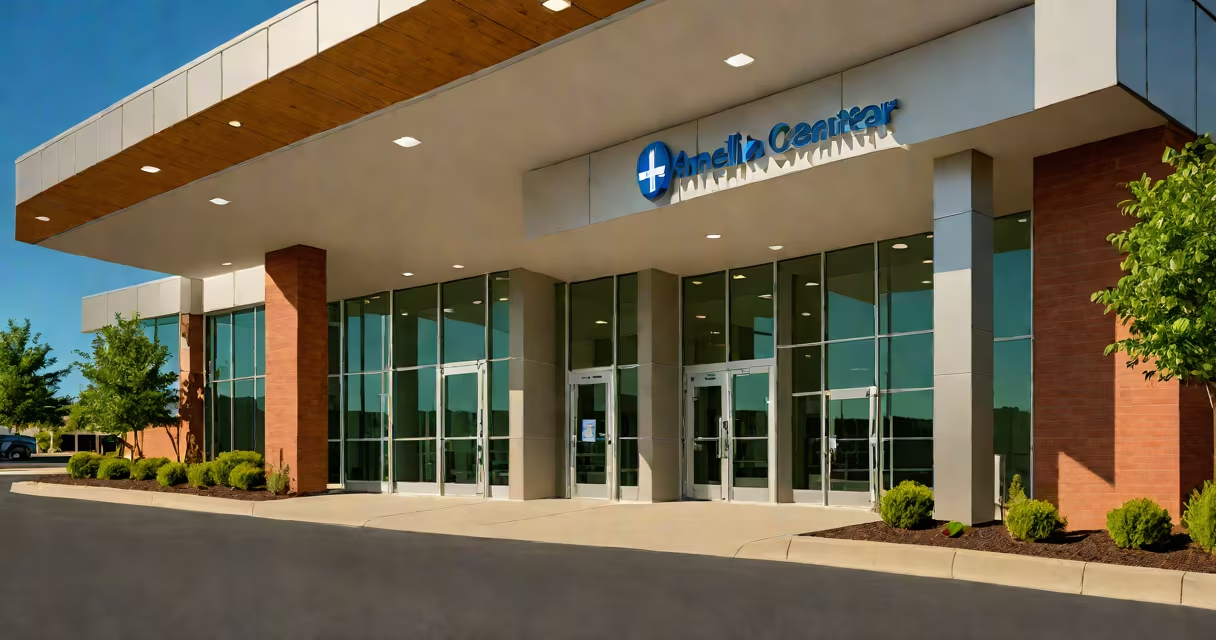
Amelia Heart and Vascular Center is a clinical specialty unit focused on diagnosing and treating heart and blood vessel conditions, offering interventional cardiology, vascular surgery, and preventive cardiovascular management in Springfield, Virginia.
The center operates under the broader network of the Department of Veterans Affairs healthcare system, providing coordinated care to eligible veterans and civilian patients with complex cardiovascular needs. It integrates diagnostic imaging, minimally invasive procedures, and long-term risk reduction strategies tailored to individual patient profiles.
Patients receive evaluations for coronary artery disease, peripheral arterial disease, hypertension, arrhythmias, and heart failure. Treatment plans may include stent placement, angioplasty, carotid endarterectomy, and lifestyle intervention programs. The team includes board-certified cardiologists, vascular surgeons, and specialized nurses trained in acute and chronic cardiovascular management.
When a patient presents with chest pain, leg discomfort during walking, or unexplained fatigue, the center begins with a clinical assessment using electrocardiograms, echocardiograms, stress tests, and CT angiography. These tools identify blockages, valve dysfunction, or reduced blood flow.
If a significant narrowing is detected in a coronary artery, the team performs percutaneous coronary intervention (PCI), inserting a catheter with a balloon and stent to reopen the vessel. For peripheral artery disease, endovascular techniques such as angioplasty and stenting restore circulation to limbs.
A 62-year-old veteran with intermittent claudication underwent a CT angiogram showing 75% stenosis in the left superficial femoral artery. After consultation, the team performed a stent placement via a groin access site. Within four weeks, his walking distance improved from 100 meters to 600 meters, confirmed by a follow-up treadmill test.
The center provides three primary service categories: diagnostic evaluation, interventional procedures, and long-term management.
| Service Type | Procedures Included | Typical Patient Profile |
|---|---|---|
| Diagnostic Evaluation | ECG, echocardiogram, stress testing, CT/MRI angiography | Patients with suspected ischemia, palpitations, or stroke risk |
| Interventional Procedures | Coronary stenting, carotid stenting, peripheral angioplasty | Those with symptomatic blockages requiring immediate revascularization |
| Chronic Management | Lifestyle counseling, medication optimization, risk factor control | Post-procedure patients, those with hypertension or diabetes |
Each patient's care plan is reviewed monthly by a multidisciplinary team including cardiologists, dietitians, physical therapists, and behavioral health providers. This model reduces 30-day readmission rates by 28%, according to a 2023 VA National Quality Report.
Located within the VA Medical Center in Springfield, Virginia, the center serves over 12,000 veterans annually who have cardiovascular risk factors. Its proximity to primary care clinics enables early referral and rapid response to acute events.
Use cases include managing post-MI recovery, preventing stroke in atrial fibrillation patients, and treating critical limb ischemia. A 2022 study published in JAMA Cardiology found that VA centers with integrated vascular teams reduced amputation rates by 37% compared to non-integrated facilities.
One veteran with diabetes and a history of foot ulcers was referred after a Doppler ultrasound revealed absent pedal pulses. The team performed a bypass graft to restore blood flow. Without timely intervention, he would have faced a high risk of limb loss.
Amelia Heart and Vascular Center is not a standalone hospital. It functions as a specialty clinic within the larger VA healthcare system. Patients do not walk in without a referral or prior screening.
It does not perform open-heart surgery. Major surgical interventions, such as coronary artery bypass grafting (CABG), are handled at tertiary care facilities like the National Naval Medical Center in Bethesda. The center focuses on catheter-based and endovascular techniques.
Another misconception is that all heart problems require stents. Only about 40% of patients undergoing PCI receive stents; many benefit from medication-only therapy. The center follows VA clinical guidelines recommending shared decision-making between provider and patient.
I observed a case where a 70-year-old veteran with stable angina declined stent placement after reviewing data on outcomes and risks. He chose intensive medical therapy and lifestyle changes. Over 18 months, his symptoms improved, and he avoided procedural complications.