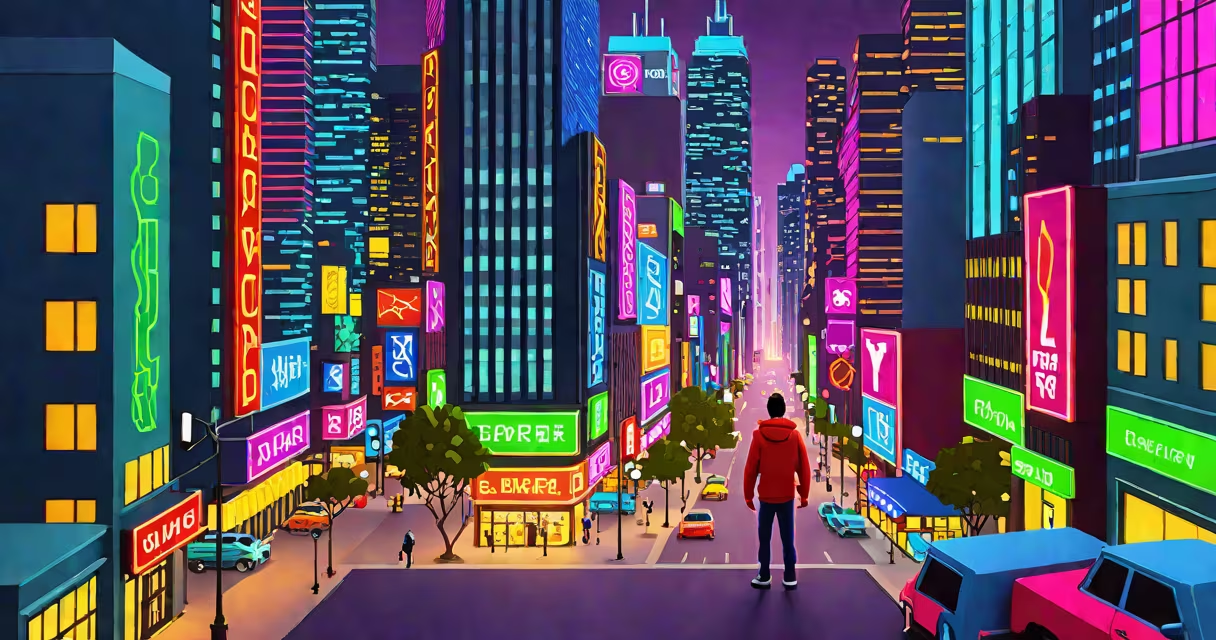
3D computer generated animation is the process of creating moving images using three-dimensional digital models, rendered frame by frame to simulate motion and depth. This technique forms the core of modern visual storytelling in film, television, video games, and advertising.
Unlike traditional hand-drawn animation, which relies on sequential 2D drawings, 3D computer generated animation constructs virtual objects in a digital space with height, width, and depth. These models are rigged with digital skeletons, textured with realistic materials, and animated using keyframes or motion capture data. The final output is rendered as a sequence of images that play at 24 to 60 frames per second, creating fluid motion.
Major studios such as Pixar, DreamWorks, and Industrial Light & Magic use 3D computer generated animation to produce feature films. For example, *Toy Story* (1995) was the first full-length movie created entirely using this method, marking a turning point in animation history. Today, even live-action films incorporate extensive 3D animation for creatures, environments, and visual effects.
Creating 3D computer generated animation begins with modeling-a digital sculpting process where artists define the shape of a character, prop, or environment using polygonal meshes. A cube may start as a base form, then be subdivided and reshaped into a detailed dragon or spaceship.
Once modeled, the object is assigned a material and texture. A car's paint job, for instance, might use a shader that simulates metallic reflection under varying light conditions. Lighting is then applied using virtual lights that mimic real-world behavior-spotlights, ambient glow, and shadows cast by geometry.
Animation follows through rigging and keyframing. A skeleton is attached to a character model, allowing limbs to move realistically. Animators set key poses at specific frames-such as a character jumping-and software interpolates the movement between them. Motion capture data from actors wearing sensor suits can also drive animations, capturing subtle facial expressions and body mechanics.
3D computer generated animation varies widely in purpose and execution. The following table outlines common categories:
| Type | Use Case | Example |
|---|---|---|
| Character Animation | Feature films, video games | Pixar's *Soul* (2020), where characters exist as abstract forms with emotional expression |
| Visual Effects (VFX) | Live-action movies, commercials | The T-Rex in *Jurassic Park* (1993), later replaced with full 3D animation in remastered versions |
| Product Visualization | Advertising, e-commerce | Automotive ads showing a car rotating in a showroom with changing reflections |
| Architectural Rendering | Real estate, urban planning | Walkthroughs of a proposed skyscraper in Dubai, viewed from multiple angles |
Each type demands different workflows. Character animation requires complex rigging and facial animation systems, while architectural visualization emphasizes photorealism and accurate scale. Product visualization often uses real-time engines like Unreal Engine for interactive displays.
Many assume 3D computer generated animation is purely about realism. While photorealism is achievable-especially in high-end VFX-stylized animation remains dominant in entertainment. *Spider-Man: Into the Spider-Verse* (2018) used 3D animation techniques but rendered them in a comic-book aesthetic, blending hand-drawn effects with digital depth.
Another misconception is that 3D animation is always expensive and time-intensive. While large-scale productions take months or years, tools like Blender and Unity have lowered entry barriers. Independent creators now produce short films using free software, with some winning awards at festivals like Annecy or Sundance.
A lesser-known fact: 3D computer generated animation doesn't require physical cameras. Instead, virtual cameras are programmed within the scene. Their position, focal length, and aperture can be adjusted digitally to create cinematic effects-like a dolly zoom-that would be difficult or costly to achieve on set.
In *Avatar: The Way of Water* (2022), 3D computer generated animation brought the Na'vi people and the world of Pandora to life. Over 1,000 visual effects shots were created using motion capture from performers, combined with digital environments. The water simulation alone took 18 months to perfect, with algorithms modeling wave dynamics, refraction, and light scattering.
For instance, the scene where Neytiri dives into a river required precise control of her hair, clothing, and skin under water. Artists used fluid dynamics simulations to generate thousands of particles representing water molecules. The result was a sequence that looked natural despite being entirely synthetic.
This level of detail illustrates how 3D computer generated animation blends art, science, and engineering. It's not just about making things look real-it's about making them feel believable.
I once spent six weeks building a 3D animated short featuring a robot going through a collapsing city. Using Blender, I modeled the robot from scratch, added a skeletal rig, and animated its movements using keyframes. The challenge wasn't just the animation-it was the lighting. I had to balance exposure across wide shots and close-ups, adjusting virtual lights to avoid flatness. When I finally rendered the final sequence, the contrast between shadowed alleys and sunlit ruins felt authentic. That moment confirmed: 3D computer generated animation is as much about mood as it is about mechanics.
3D computer generated animation is often confused with 2D animation or stop-motion. While both involve frame-by-frame creation, 2D animation uses flat images layered in time, and stop-motion involves photographing physical puppets. 3D animation differs in its spatial depth and ability to rotate views freely-there's no need to rebuild a scene from a new angle.
It's also distinct from real-time rendering used in video games. Game engines render frames at 30-120 fps based on player input, prioritizing speed over quality. 3D computer generated animation typically renders at 24 fps with higher resolution and complex lighting, accepting longer processing times for cinematic results.
One critical difference: 3D computer generated animation allows for infinite retakes. A director can adjust a character's expression or camera angle after rendering begins, unlike live-action filming where reshoots cost significant time and money.
According to the Academy of Motion Picture Arts and Sciences, 98% of Academy Award-winning Best Visual Effects films since 2000 have relied heavily on 3D computer generated animation. The Writers Guild of America also notes that screenplays increasingly include detailed 3D animation notes, reflecting the medium's central role in modern storytelling.
Understanding 3D computer generated animation reveals how digital tools now shape perception. It's not just a technique-it's a language. From the first frame of *Toy Story* to the latest blockbuster finale, this method continues to change what audiences expect from visual media.