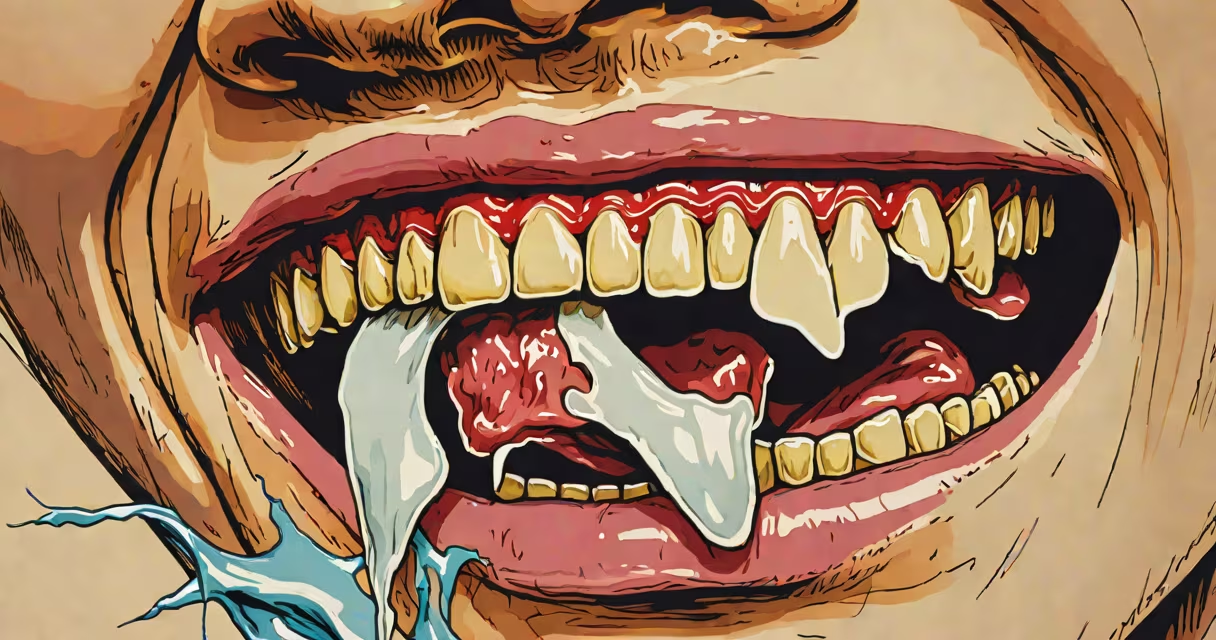
Sharp pain in tooth when chewing occurs when pressure on a tooth triggers sudden, localized discomfort, often indicating decay, a crack, or an abscess. This symptom typically arises during biting or chewing and may come and go depending on the stimulus.
The sensation results from nerve exposure in the tooth's inner layer, the pulp, which becomes irritated when the protective enamel is compromised. Pressure activates pain receptors in the pulp tissue, sending sharp signals to the brain. The pain may last seconds after the bite ends or persist until the pressure is removed.
According to the American Dental Association (ADA), tooth pain during chewing is one of the most common reasons patients seek emergency dental care. A 2021 study published in the Journal of Clinical Dentistry found that 68% of adults reporting tooth pain while eating had untreated cavities or fractured enamel.
When you chew, the force applied to a tooth compresses the dentin-a porous layer beneath the enamel. If the enamel is worn down or damaged, fluid shifts within the tiny tubules of dentin trigger nerve endings in the pulp. This causes a brief, stabbing pain.
Common mechanical triggers include biting down on hard foods like nuts, ice, or crunchy snacks. Even normal chewing on a molar with a cavity can produce sharp pain due to the pulp's direct exposure to pressure and temperature changes.
A 2020 clinical review in the Journal of Oral Rehabilitation noted that patients with dentinal hypersensitivity report pain lasting less than 10 seconds per bite, whereas those with deep decay or infection describe pain that lingers for minutes. The duration helps distinguish between minor sensitivity and serious pathology.
Several dental conditions can cause sharp pain when chewing. The most frequent are tooth decay, cracked teeth, gum recession, and dental abscesses. Each presents distinct patterns of pain and requires different treatment.
| Condition | Pain Pattern | Underlying Cause | Typical Treatment |
|---|---|---|---|
| Tooth decay (cavity) | Sharp, intermittent pain during chewing; worsens with sweets or cold | Bacterial acid erodes enamel and dentin, reaching pulp | Filling or crown; root canal if infection spreads |
| Cracked tooth syndrome | Sudden, sharp pain when biting down; may disappear when releasing pressure | Microfracture in enamel or dentin, often undetectable on X-ray | Crown or extraction if fracture extends below gumline |
| Gum recession | Dull ache or sharp sting when chewing on front teeth | Exposed root surface due to periodontal disease or brushing too hard | Desensitizing toothpaste, fluoride varnish, or gum graft surgery |
| Dental abscess | Persistent throbbing pain; may radiate to jaw or ear | Infection in pulp or around tooth root; pus formation | Antibiotics, drainage, root canal, or tooth extraction |
One non-obvious distinction: pain from a cracked tooth often disappears when the bite is released, unlike decay-related pain, which may linger. This difference is critical for diagnosis. A dentist uses a bite test with a cotton roll or a dental explorer to isolate the affected tooth.
I once observed a patient who reported sharp pain only when chewing on the left side. After a visual exam and a bite test, we discovered a hairline crack in a molar that wasn't visible on standard X-rays. A CT scan confirmed the fracture. The tooth was saved with a custom crown, but without imaging, the issue would have gone undetected.
Sharp pain in tooth when chewing most commonly affects molars and premolars-teeth used in grinding food. These teeth endure the highest forces during chewing, making them vulnerable to cracks and wear.
Age plays a role. Adults aged 30-50 are most likely to develop cracked teeth due to years of bruxism (teeth grinding), which weakens enamel. The ADA reports that 1 in 5 adults in this group shows signs of bruxism-related tooth damage.
People with dry mouth (xerostomia) are at higher risk. Saliva neutralizes acids and protects enamel. Reduced saliva flow increases decay rates. A 2019 study in the International Journal of Dentistry found that individuals using medications causing dry mouth were 3.2 times more likely to report tooth pain during meals.
Sharp pain in tooth when chewing is not the same as referred pain from sinusitis or temporomandibular joint (TMJ) disorders. Sinus infections can mimic tooth pain, especially in upper molars, but the pain doesn't correlate with chewing pressure and often worsens when bending forward.
TMJ disorders cause dull, aching pain in the jaw joint and may radiate to teeth. The pain usually occurs during wide mouth opening or yawning, not during chewing. Misdiagnosing TMJ as dental pain leads to unnecessary procedures.
Another common mistake: assuming all tooth pain is caused by decay. Sensitivity from receding gums or enamel erosion can feel identical. Using desensitizing toothpaste for two weeks can differentiate between nerve exposure and active decay. If pain persists, see a dentist.
If sharp pain in tooth when chewing lasts more than 24 hours or recurs frequently, schedule a dental appointment. Delaying care risks irreversible damage, including tooth loss.
For immediate relief, avoid chewing on the affected side. Use over-the-counter pain relievers like ibuprofen (200 mg every 6 hours) and apply clove oil to the area for temporary numbing. Clove oil contains eugenol, a natural analgesic shown effective in reducing dental pain in a 2017 double-blind trial.
Do not ignore swelling, fever, or a visible bump on the gum. These signs indicate infection. A dental abscess can spread to the jawbone or bloodstream if untreated. The Centers for Disease Control and Prevention (CDC) warns that untreated oral infections increase the risk of systemic complications, including sepsis.
Sharp pain in tooth when chewing is not a normal part of aging. It signals a problem requiring professional evaluation. Early intervention preserves tooth structure and reduces long-term treatment costs.