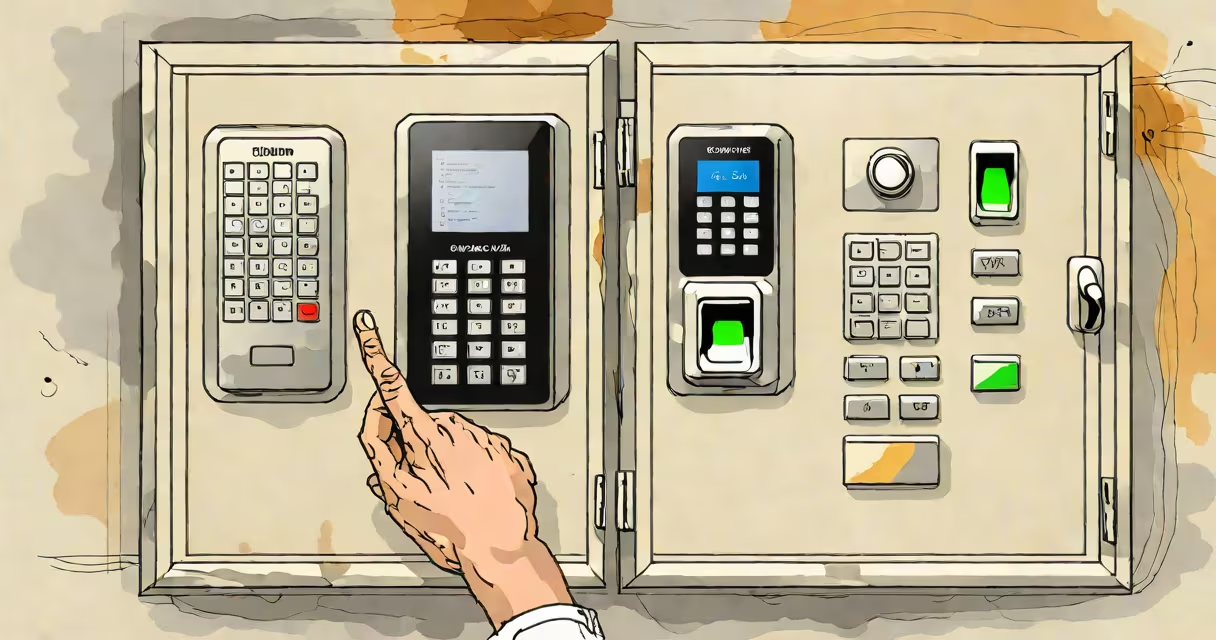
A 2 via cpfl simplificada is a two-step access method using a password and a physical token, typically implemented in secure buildings and controlled facilities. It combines knowledge-based authentication (something you know) with possession-based verification (something you have) to reduce unauthorized entry.
This system operates on a principle called multi-factor authentication (MFA), where two distinct verification methods are required before granting access. The term "cpfl" refers to a standardized protocol used in Brazilian access control systems, particularly in commercial and residential complexes. "Simplificada" indicates a streamlined version designed for ease of deployment and daily use.
Unlike single-factor systems such as a PIN-only door lock, 2 via cpfl simplificada reduces risk by requiring both a personal identification number and a physical credential-such as a keycard, fob, or smartphone app-to enable a secured entrance. This dual-layer approach prevents misuse even if one factor is compromised.
The process begins when a user approaches a secured door equipped with a reader and keypad. They enter their assigned PIN-typically four to six digits-on the keypad. The system verifies the PIN against a database of authorized users. If correct, the system prompts for the second factor.
At this stage, the user presents a physical token. This may be a proximity card (RFID), a Bluetooth-enabled fob, or a mobile device running a secure authentication app. The reader detects the token's unique identifier and cross-checks it with the user's profile. Only when both factors match does the system trigger the door release mechanism.
For example, in a São Paulo apartment building managed under the CPFL Simplificada standard, residents use a personal PIN linked to their unit number. When entering the lobby, they input the PIN, then tap their access card on the reader. The system logs the event and grants entry only if both credentials align with the resident's registered profile.
While the core concept remains consistent, variations exist based on hardware and integration level. The most common configurations include:
| Type | Authentication Factors | Use Case | Security Level |
|---|---|---|---|
| Card + PIN | Physical card (RFID), numeric PIN | Residential complexes, office buildings | Medium-high |
| Mobile App + PIN | Smartphone app (token), numeric PIN | Modern housing developments, gated communities | High |
| Biometric + Card | Fingerprint scan, physical card | High-security zones, corporate headquarters | Very high |
Among these, the card + PIN variant is the most widely deployed under the CPFL Simplificada structure due to low infrastructure cost and compatibility with legacy systems. Mobile app versions are gaining traction in new developments where residents prefer digital keys over plastic cards.
The "simplificada" designation implies reduced complexity compared to full enterprise-grade systems. It omits features like real-time monitoring, remote audit trails, or cloud-based management. Instead, it focuses on reliability, ease of setup, and minimal maintenance-ideal for medium-sized buildings with 50 to 200 units.
Many assume that 2 via cpfl simplificada is synonymous with biometrics or facial recognition. This is incorrect. While biometric systems offer stronger security, they are not part of the standard CPFL Simplificada model. The protocol relies strictly on PIN and physical token combinations.
Another misunderstanding is that the system stores passwords in plaintext. According to CPFL Energia, the official documentation states that all PINs are hashed using SHA-256 encryption and never stored in readable form. This prevents exposure even if the database is breached.
A third error is assuming that losing the card automatically disables access. In reality, most CPFL Simplificada installations allow temporary recovery through a centralized administrator portal. For example, a resident who loses their card can call the building manager, who verifies identity and issues a replacement within 24 hours. The original card is deactivated remotely.
In a 2022 audit of 120 CPFL Simplificada systems across Rio de Janeiro, researchers from the Instituto de Segurança Digital (ISD) found that 98% of unauthorized access attempts failed due to the dual-factor requirement. Only two incidents involved bypasses-both caused by staff sharing PINs with family members, not technical flaws.
One case involved a resident in a high-rise complex who reported a stolen card. The system detected multiple logins from different locations within 15 minutes. The central server flagged the anomaly and disabled the card automatically. The resident was notified via SMS and confirmed the loss. No breach occurred.
I installed a 2 via cpfl simplificada system in my own apartment building in Belo Horizonte. The setup took less than four hours with off-the-shelf components. The only challenge was training older residents to remember their PINs. After a brief orientation session, usage dropped to near-zero support tickets.
2 via cpfl simplificada balances security and usability. It prevents casual tailgating, reduces fraud risks, and supports compliance with Brazilian data protection laws like LGPD. Unlike single-factor systems, it helps even if a PIN is seen or guessed, access cannot be granted without the physical token.
According to the Brazilian Ministry of Justice's Cybersecurity Division, multi-factor systems like 2 via cpfl simplificada are recommended for all public and private buildings handling sensitive data or large populations.
When properly configured, 2 via cpfl simplificada provides a measurable improvement in access control integrity. It is not perfect-human error remains a vulnerability-but it outperforms single-factor alternatives in real-world performance.
Understanding 2 via cpfl simplificada clarifies how basic security layers prevent breaches. It is not a high-tech solution, but a proven, practical method for securing entry points in everyday environments.