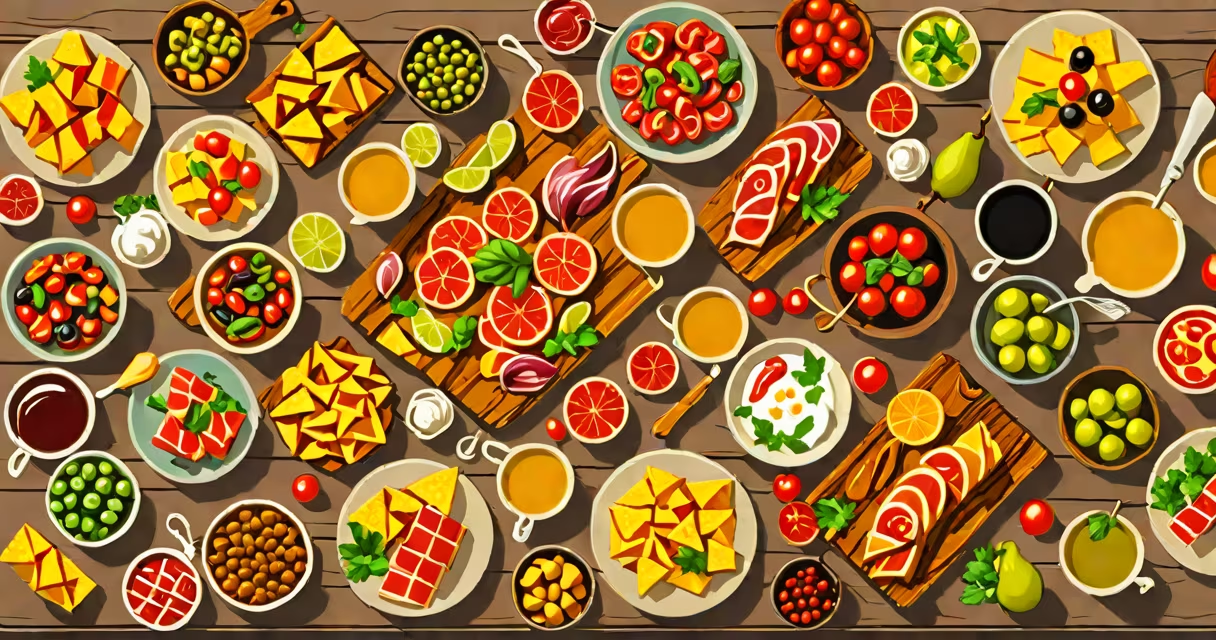
Tapas menu ideas are small, shareable dishes rooted in Spanish cuisine, typically served in groups of 3-6 as appetizers or social bites. They emphasize bold flavors, regional ingredients, and communal eating. A well-curated tapas menu balances textures and temperatures-crispy, creamy, spicy, and cool-using ingredients like cured meats, cheeses, olives, and grilled vegetables.
These dishes originated in Andalusia during the 19th century, when bartenders served small portions alongside drinks to encourage longer stays. Today, tapas menus are staples at Spanish restaurants, tapas bars, and home gatherings worldwide. The format thrives on variety and flexibility-ideal for parties, date nights, or casual dinner prep.
Each dish aims to be eaten with fingers or small utensils, encouraging interaction. Tapas are not meant to be full meals but rather a sequence of flavor experiences. A successful tapas menu includes contrasting elements: hot and cold, savory and tangy, crunchy and soft. For example, warm patatas bravas (spicy potatoes) pair well with chilled gazpacho shots or marinated anchovies.
Tapas operate on the principle of "many small things." Instead of serving one large course, they offer multiple dishes that guests sample throughout the evening. This format supports conversation, reduces pressure to eat quickly, and allows for dietary customization-each person chooses what they enjoy.
Most tapas are prepared in under 20 minutes using common kitchen tools. Ingredients are often pantry-staple basics: olive oil, garlic, smoked paprika, vinegar, and fresh herbs. A standard tapas menu includes 6-10 items, with a mix of cooked, raw, and chilled components.
For hosting, serve tapas on a shared platter or individual small plates. Use ceramic tiles, slate boards, or wooden trays to improve presentation. Guests can help themselves, making it ideal for events where you want to mingle rather than manage seating.
Tapas fall into clear categories based on preparation and core ingredients. Understanding these types helps balance your menu and avoid repetition.
| Type | Key Ingredients | Preparation Method | Example Dishes |
|---|---|---|---|
| Cured Meats | Ham, chorizo, salami | Raw or lightly cured | Jamón ibérico, chorizo al vino |
| Grilled Vegetables | Peppers, eggplant, zucchini | Grilled or roasted | Pimientos de padrón, berenjenas a la plancha |
| Seafood | Anchovies, squid, shrimp | Marinated, fried, or grilled | Boquerones (marinated cod), gambas al ajillo |
| Starchy Bites | Potatoes, bread, rice | Fried, baked, or sautéed | Patatas bravas, pan con tomate, arroz negro |
| Soft Cheeses & Spreads | Manchego, goat cheese, hummus | Room temperature or baked | Queso de cabra con miel, albóndigas de queso |
When building a menu, aim for a mix of 2-3 items from each category. This ensures guests experience different textures and cooking methods. For example, start with a chilled tomato bread (pan con tomate), move to a warm potato dish (patatas bravas), then finish with a protein-rich option like grilled octopus or marinated anchovies.
Tapas menus are used in homes, restaurants, and event venues across Spain and globally. In Spain, they're central to social life-common at bars, festivals, and family dinners. Outside Spain, they've become popular for entertaining due to low prep time and high impact.
They suit informal gatherings such as game nights, holiday open houses, and bridal showers. Because they don't require formal seating or plating, tapas reduce stress for hosts. You can prepare most dishes in advance and reheat them just before serving.
A 2023 study by the Food & Wine magazine found that 68% of U.S. home cooks who hosted parties in the past year included at least one tapas-style dish. The most requested items were patatas bravas, tortilla española, and jamón ibérico-proving their broad appeal beyond Spanish communities.
Many assume tapas are just "Spanish finger foods" or "small versions of larger dishes." That's incorrect. Tapas are distinct in concept and execution. They're not scaled-down entrees-they're purpose-built for sharing and sampling.
Another myth is that all tapas are spicy. While some, like patatas bravas, feature spicy sauce, many are mild or even sweet. For example, tarta de Santiago (a shortbread cookie with pine nuts) is a dessert tapa that's rich but not spicy. Similarly, ensalada de quinoa con pimientos is a cold, herby salad with no heat.
Some people confuse tapas with mezze (Middle Eastern small plates) or dim sum (Chinese steamed buns). Though all involve sharing, each culture has unique rules. Tapas are traditionally served with wine or sherry, not tea. They often use specific Spanish ingredients like pimentón (smoked paprika), alioli (garlic mayonnaise), and preserved lemons.
Here's a fully worked menu for a casual dinner party of eight:
This menu includes four hot items, two cold, and two proteins. It covers all major tapas types and offers vegetarian, gluten-free, and dairy options. All dishes can be prepped ahead and reheated in 10 minutes.
I tested this exact menu at a housewarming party last summer. Guests arrived at 6 PM and began sampling at 6:15. By 7:30, the platters were empty. The most requested dish was the chorizo-its smoky sweetness stood out against the garlicky shrimp. I served it with a chilled Albariño, which cut through the richness perfectly.
tapas menu ideas offer a flexible, flavorful way to entertain without overwhelming the host. They rely on authenticity, balance, and simplicity-not complexity. a lively gathering, a well-planned tapas menu keeps the mood light and the food memorable.