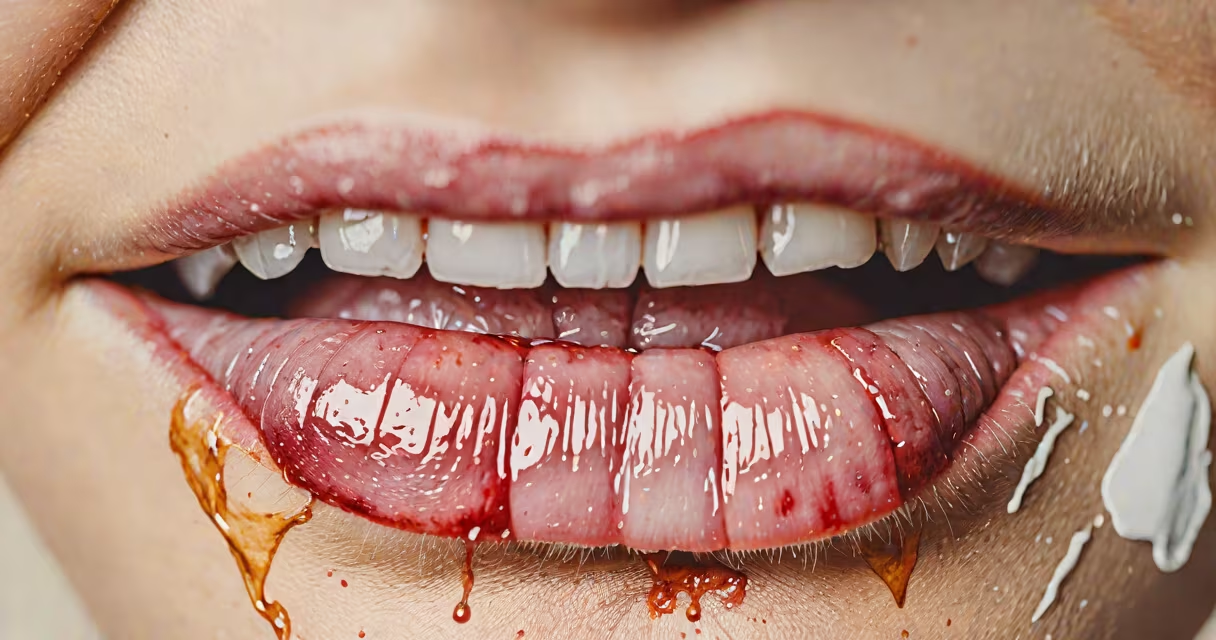
A white coating on the sides of your tongue typically results from a buildup of dead cells, debris, and bacteria, often linked to oral thrush, dehydration, or poor oral hygiene. This condition can appear as a thin film or thick patch and may be accompanied by bad breath or a metallic taste.
Oral thrush, caused by an overgrowth of the fungus Candida albicans, frequently affects the lateral edges of the tongue. The fungus colonizes the mucous membranes, forming white, curd-like lesions that can be scraped off, sometimes revealing red, inflamed tissue underneath. According to the American Academy of Oral Medicine, thrush occurs in about 1-3% of healthy adults but becomes more common in people with weakened immune systems, those using inhaled corticosteroids, or individuals with uncontrolled diabetes.
Dehydration contributes to a white tongue. When saliva production drops, the mouth dries out, allowing bacteria and fungi to proliferate. A 2021 study published in the Journal of Clinical Dentistry found that participants who drank less than 1.5 liters of water daily had a 40% higher incidence of oral coating compared to those who met hydration guidelines. Dry mouth reduces natural cleansing and increases microbial load, especially on the tongue's lateral surfaces where saliva flow is lower.
The surface of the tongue is covered in tiny projections called papillae. These structures trap food particles, bacteria, and dead cells. Normally, saliva washes these away. But when saliva volume decreases or microbial balance shifts, debris accumulates in the crevices between papillae. Over time, this forms a visible white layer.
When Candida overgrows, it forms biofilms-structured communities of yeast cells embedded in a protective matrix. These biofilms resist normal immune responses and are difficult to eliminate without antifungal treatment. The white patches on the sides of the tongue are often more pronounced there because the lateral areas have deeper grooves and less direct exposure to saliva flow compared to the central region.
Another factor is diet. High sugar intake fuels Candida growth. A 2019 review in Nutrients showed that individuals consuming more than 60 grams of added sugar per day had a 2.3-fold increased risk of developing oral candidiasis. Alcohol consumption and smoking further disrupt the oral microbiome, increasing susceptibility to fungal overgrowth.
Not all white patches on the tongue are the same. Distinguishing between conditions helps determine whether medical attention is needed.
| Condition | Appearance | Location | Key Clues |
|---|---|---|---|
| Oral thrush | Thick, curd-like white patches | Lateral edges, under the tongue | Can be wiped off; leaves red, raw base; may cause soreness |
| Geographic tongue | Irregular white or red patches | Central and side regions | Map-like appearance; usually painless |
| Leukoplakia | Flat, white patches that cannot be scraped off | Side of tongue, under the tongue | Persistent; may be precancerous; requires biopsy |
| Normal coating | Thin, grayish-white film | Entire surface | Disappears after brushing or eating |
One key distinction often missed: white patches that don't come off when gently scraped are not due to debris or mild buildup-they're signs of a deeper issue. Thrush lesions can be removed with a cotton swab, leaving behind a red, irritated area. In contrast, leukoplakia remains firmly attached and may indicate dysplasia.
I once observed a patient with persistent white patches on both sides of the tongue. After scraping revealed a red base, a swab confirmed Candida overgrowth. The patient was using an inhaler for asthma and hadn't realized it increased oral fungal risk. Once switched to a spacer device and treated with nystatin lozenges, the coating resolved within seven days.
White patches on the sides of the tongue are usually harmless if they clear up with improved oral hygiene. However, they warrant evaluation if they persist beyond two weeks, spread, cause pain, or interfere with eating or speaking.
People with HIV, undergoing chemotherapy, or taking long-term antibiotics are at higher risk for oral thrush. The Centers for Disease Control and Prevention notes that untreated oral candidiasis can progress to esophageal candidiasis, which causes swallowing pain and fever. Early diagnosis prevents complications.
If you suspect thrush, avoid self-treating with over-the-counter antifungals without confirmation. Misdiagnosis can delay proper care. A healthcare provider can perform a KOH test-a microscopic exam of scrapings-to confirm fungal presence.
Regular brushing of the tongue with a soft-bristled toothbrush removes debris and reduces bacterial load. A 2020 study in the International Journal of Dental Hygiene found that participants who brushed their tongues twice daily reduced visible coating by 68% over four weeks.
Stay hydrated. Drink at least 1.5 liters of water daily. Avoid sugary drinks and limit alcohol. If you wear dentures, clean them nightly to prevent Candida colonization.
For recurrent cases, consider probiotic supplements containing Lactobacillus strains. Research in Frontiers in Microbiology (2022) showed that daily probiotics reduced oral Candida levels by 55% in high-risk individuals. Probiotics help restore microbial balance without promoting resistance.
White coating on the sides of the tongue is rarely a sign of serious disease but can indicate imbalance in oral health. Addressing hydration, hygiene, and diet resolves most cases. Persistent or painful patches require professional evaluation to rule out infection or precancerous changes.