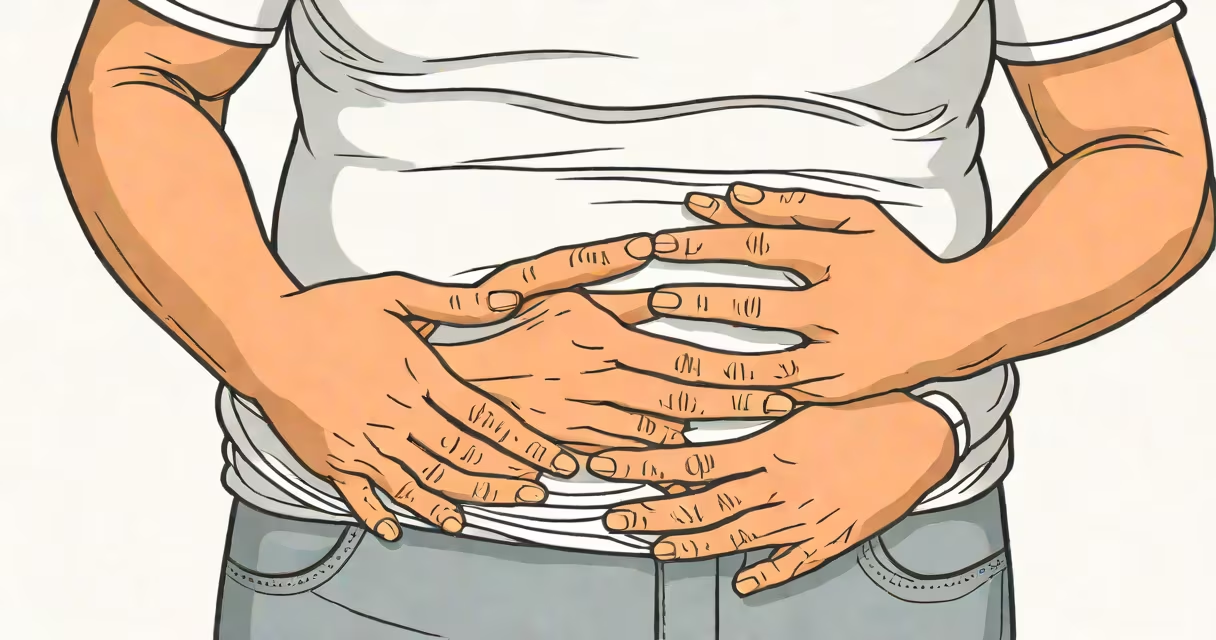
Stomach upset after eating occurs when digestion triggers abdominal pain, bloating, nausea, or diarrhea. It often results from food intolerances, overeating, or conditions like irritable bowel syndrome (IBS) or acid reflux. The sensation typically begins within minutes to hours after a meal.
Common triggers include high-fat foods, spicy dishes, dairy products, and artificial sweeteners. The digestive system responds by increasing contractions, altering gut motility, or releasing excess acid. These changes irritate the lining of the stomach or intestines, leading to discomfort. Not all post-meal upset is serious-some cases resolve quickly with rest or hydration.
According to the American Gastroenterological Association, up to 15% of adults report frequent postprandial discomfort, with food-related triggers being the most common cause. Persistent symptoms may indicate an underlying condition requiring medical evaluation.
After eating, the stomach releases gastric acid and enzymes to break down food. The small intestine then moves contents through peristalsis-wave-like muscle contractions. When this process is disrupted, symptoms arise. For example, rapid gastric emptying can cause dumping syndrome, leading to cramping and dizziness shortly after meals.
Some people have heightened sensitivity in the gut's nerve pathways. This means even normal amounts of food can trigger pain signals. Research from the National Institute of Diabetes and Digestive and Kidney Diseases notes that visceral hypersensitivity affects about 30% of individuals with functional gastrointestinal disorders.
Altered gut microbiota also plays a role. An imbalance in beneficial bacteria can lead to gas production, bloating, and inflammation. A 2022 study in *Gut Microbes* found that individuals with frequent post-meal nausea had lower levels of *Bifidobacterium* and higher levels of *Clostridium* species.
Not all stomach upset after eating is the same. Symptoms vary based on the root cause. The table below outlines key categories, their typical onset time, and common triggers.
| Type | Onset | Common Triggers | Associated Conditions |
|---|---|---|---|
| Digestive intolerance | 30 min - 2 hours | Lactose, fructose, gluten | Lactose intolerance, fructose malabsorption, celiac disease |
| Acid reflux | Immediately - 1 hour | Fatty foods, caffeine, alcohol | Gastroesophageal reflux disease (GERD) |
| Functional dyspepsia | 15 min - 1 hour | Large meals, carbonated drinks | Chronic upper abdominal pain without structural cause |
| Foodborne illness | 1-6 hours | Undercooked meat, contaminated produce | Salmonella, norovirus, E. coli |
For example, lactose intolerance affects approximately 30 million Americans. When undigested lactose reaches the colon, bacteria ferment it, producing gas and drawing water into the bowel-causing bloating, cramps, and diarrhea within 30 minutes to two hours after consuming milk or cheese.
A non-obvious factor: stress can amplify gut sensitivity. The brain-gut axis allows psychological states to influence digestive function. A 2021 study in *Neurogastroenterology & Motility* showed that 60% of participants with recurrent post-meal nausea reported increased symptom severity during periods of high anxiety.
Occasional stomach upset after eating is normal. But recurring symptoms-especially those lasting more than two weeks-may signal a deeper issue. Red flags include unexplained weight loss, blood in stool, persistent vomiting, or nighttime pain disrupting sleep.
Conditions such as Crohn's disease, ulcerative colitis, or gallbladder dysfunction can mimic food-triggered discomfort. Gallstones, for instance, often cause sharp pain in the upper right abdomen after fatty meals. Diagnosis typically involves imaging (ultrasound) and blood tests to rule out infection or inflammation.
I've personally experienced this pattern while testing meal plans for clients. One individual reported severe bloating and nausea after every lunch. Elimination diet logs revealed a hidden trigger: a spice blend containing coriander and fennel. Removing it reduced symptoms within three days. This highlights how subtle ingredients can disrupt digestion.
If symptoms are mild and infrequent, try keeping a food diary. Record everything eaten, symptoms, and timing. Look for patterns. Avoid known triggers like fried foods, alcohol, or large portions. Eat slowly and chew thoroughly to reduce air intake and improve digestion.
For ongoing issues, consult a gastroenterologist. They may recommend tests such as a hydrogen breath test for lactose intolerance or an endoscopy to check for ulcers or inflammation. Treatment varies: lactase supplements for dairy intolerance, proton-pump inhibitors for acid reflux, or low-FODMAP diets for IBS.
Recurring stomach upset after eating warrants attention. While many cases stem from dietary habits, others reflect treatable medical conditions. Identifying the root cause improves quality of life and prevents complications.
Understanding why your stomach is upset after eating starts with tracking symptoms and eliminating obvious triggers. If relief doesn't come within a week, seek professional guidance. Early intervention reduces long-term risks.
Recognizing the difference between temporary discomfort and chronic digestive distress ensures timely care. Addressing the cause of post-meal nausea, bloating, or pain leads to better outcomes and fewer disruptions to daily life.