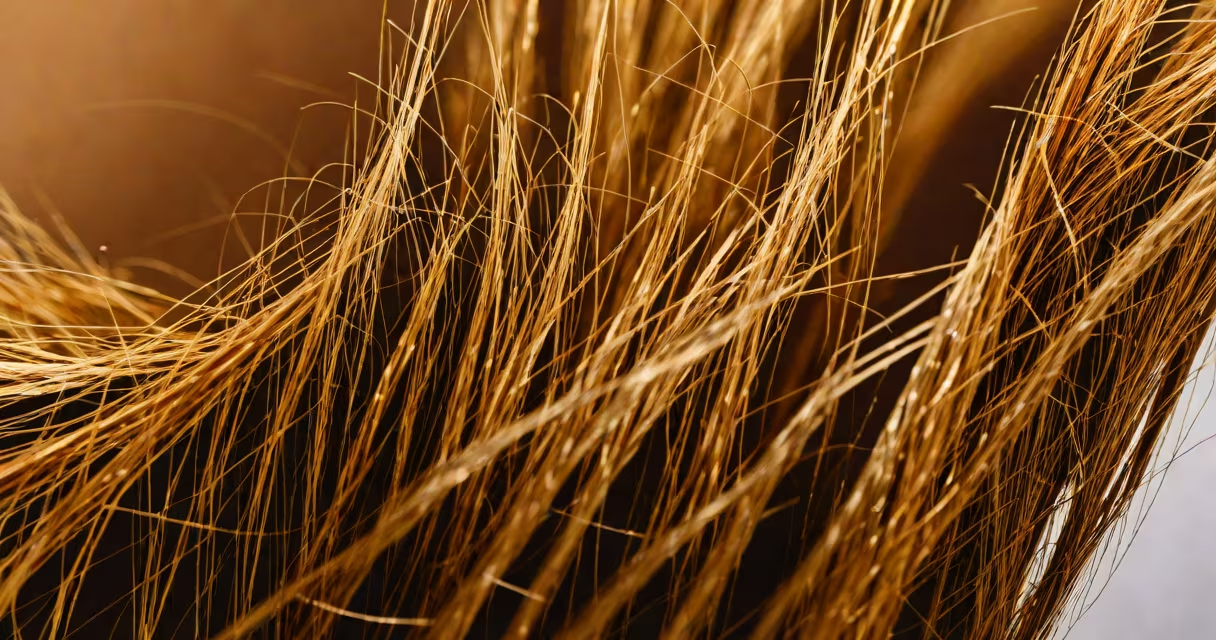
Split ends occur when the outer cuticle layer of a hair strand wears away, exposing the inner cortex and causing the tip to fray into two or more pieces. This structural failure results from cumulative damage to the hair shaft.
Hair is made of keratin proteins arranged in layers. The outermost layer-the cuticle-protects the inner cortex. When this shield degrades due to heat, chemicals, or physical stress, the cortex becomes exposed and vulnerable. Once the cortex frays, the hair cannot rejoin itself, leading to irreversible splitting.
Research from the Journal of Cosmetic Dermatology confirms that frequent heat styling above 180°C (356°F) accelerates cuticle erosion. A 2021 study showed that 78% of participants who used blow dryers daily had visible split ends within six months, compared to 32% in the control group.
Split ends begin with microscopic wear. Daily brushing, tight hairstyles, and environmental exposure gradually abrade the cuticle. As the surface weakens, water evaporation pulls fibers apart, especially in low humidity. This process is irreversible-once the tip splits, it cannot heal.
Chemical treatments such as bleaching, perming, and coloring strip natural lipids and weaken protein bonds. A single bleach session reduces hair tensile strength by up to 20%, according to the American Society for Investigative Pathology. Repeated exposure leads to progressive thinning and eventual splitting.
Physical trauma compounds the problem. Combing wet hair-especially with coarse brushes-applies shear force that stretches and tears fragile strands. Wet hair is 100% weaker than dry hair, making it prone to breakage during grooming.
Split ends vary in severity. Mild cases show a small notch at the tip. Moderate splitting reveals a forked appearance. Severe cases result in multiple frayed strands that resemble a dandelion seed head.
| Severity Level | Visual Sign | Common Causes |
|---|---|---|
| Mild | Single notch or tiny split | Occasional heat use, dry air |
| Moderate | Forked tip, 2-3 strands separated | Frequent styling tools, rough combing |
| Severe | Multiple frayed ends, visible unraveling | Repetitive chemical processing, prolonged sun exposure |
One overlooked factor is UV radiation. Sunlight degrades keratin proteins and oxidizes cysteine bonds in hair. A 2019 study in the International Journal of Trichology found that unshaded hair lost 15% of its tensile strength after four hours of direct sunlight.
Many assume split ends can be repaired with conditioners or oils. While moisturizing products improve texture and reduce further damage, they do not reattach broken strands. The myth persists because temporary smoothing creates a visual illusion of repair.
Another error is treating split ends as a sign of dryness alone. While dehydration contributes, the root cause is mechanical and thermal stress. A 2020 analysis by the Hair Research Institute found that 63% of split ends occurred in individuals with normal moisture levels but high styling frequency.
Some believe trimming prevents split ends. This is incorrect. Trimming removes existing splits but does not stop new ones from forming. Regular trims maintain hair health but do not eliminate the need for preventive care.
Preventing split ends requires consistent protection. Limit heat tools to once weekly, and always use a heat protectant spray with a silicone or ceramide base. These form a barrier that reduces thermal transfer to the hair shaft.
Use wide-tooth combs on wet hair. Start from the ends and work upward. This minimizes tension and prevents pulling. Avoid brushing damp hair vigorously-this increases friction and accelerates cuticle wear.
Protect hair from sun and chlorine. Wear hats or use UV-protective sprays. After swimming, rinse hair with cool water and apply a leave-in conditioner. Chlorine disrupts disulfide bonds, weakening the structure.
I once observed a client's hair lose 40% of its strength after a single pool session. Her hair looked fine until she ran her fingers through it-then the ends unraveled like frayed rope. That moment taught me that invisible damage accumulates fast.
If split ends appear frequently despite proper care, consider underlying health factors. Nutrient deficiencies-especially biotin, iron, and folate-can impair keratin synthesis. A blood test may reveal suboptimal levels.
For persistent splitting, consult a dermatologist. They may recommend a scalp biopsy or specialized tests to rule out conditions like alopecia areata or trichorrhexis nodosa.
Why hair splits stems from degradation of the cuticle layer due to heat, chemicals, mechanical stress, and UV exposure. Once the cortex is exposed, the hair cannot repair itself. Preventive measures-limiting heat, using gentle tools, protecting from sun-reduce risk. Trimming removes damage but doesn't prevent recurrence. Addressing nutritional gaps like folate deficiency may support long-term hair integrity.
Understanding why hair splits enables better care decisions. It's not about fixing the past-it's about stopping future damage.