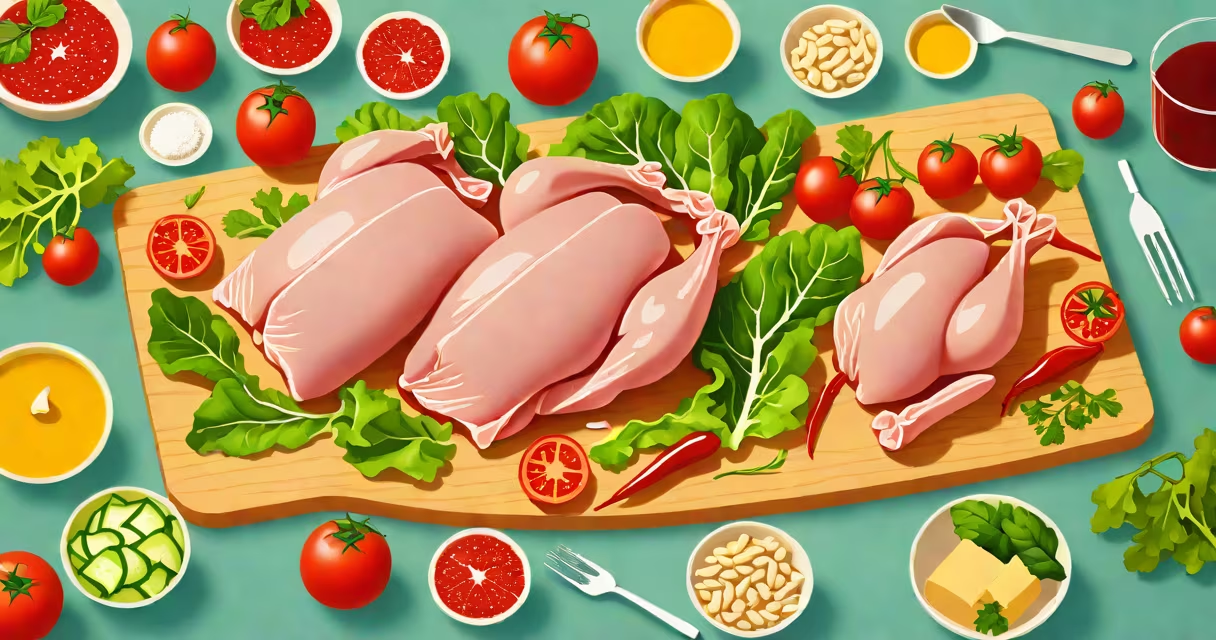
High-risk foods such as raw or undercooked poultry, unpasteurized dairy, contaminated produce, and improperly handled eggs can harbor harmful bacteria like Salmonella, E. coli, and Listeria, leading to food poisoning. These pathogens survive in conditions that allow them to multiply rapidly during improper storage or cooking.
Food poisoning results from ingesting toxins or live microbes in food. The most common culprits are bacteria, viruses, and parasites. Among these, Salmonella and Listeria are especially dangerous because they can grow at refrigerator temperatures. The U.S. Centers for Disease Control and Prevention (CDC) estimates that 1 in 6 Americans gets sick from foodborne illness each year, with 128,000 hospitalizations and 3,000 deaths annually.
Common symptoms include nausea, vomiting, diarrhea, abdominal cramps, fever, and dehydration. Onset ranges from 30 minutes to several days after consumption, depending on the pathogen. For example, Staphylococcus aureus causes symptoms within 1-6 hours, while Listeria can take up to 70 days to manifest.
Bacteria enter food through poor handling, cross-contamination, inadequate cooking, or improper refrigeration. Raw chicken, for instance, often contains Salmonella on its surface. When juices from raw meat drip onto other ingredients during prep-like salad vegetables-the bacteria transfer easily. A single drop of contaminated fluid can contain millions of bacteria.
Refrigeration slows but doesn't stop bacterial growth. Listeria monocytogenes can grow at temperatures as low as 3°C (37°F), making cold storage insufficient for eliminating risk. This is why ready-to-eat deli meats and soft cheeses like brie or camembert pose a threat, especially to pregnant individuals and older adults.
Water used in washing produce can also introduce pathogens. In 2018, a multi-state outbreak of E. coli O157:H7 was traced to romaine lettuce irrigated with contaminated water from a nearby cattle farm. Over 200 people were infected, and five died. The CDC confirmed that irrigation water was the vector, not the field workers.
The following table outlines key food categories linked to food poisoning, their primary pathogens, and prevention methods.
| Foods | Primary Pathogens | Risk Factors | Prevention Tips |
|---|---|---|---|
| Raw or undercooked poultry | Salmonella, Campylobacter | Improper cooking (internal temp < 74°C/165°F) | Cook to 74°C (165°F); use a thermometer |
| Unpasteurized milk and cheese | Listeria, E. coli, Salmonella | Raw milk not heated to kill microbes | Avoid unless labeled pasteurized |
| Raw shellfish (oysters, clams) | Vibrio vulnificus, Hepatitis A | Contaminated coastal waters | Only eat cooked shellfish; avoid raw in high-risk groups |
| Raw sprouts (alfalfa, radish) | E. coli, Salmonella | Warm, moist growing conditions ideal for bacteria | Do not consume raw sprouts; cook thoroughly |
| Leftover rice and grains | Bacillus cereus | Reheating after cooling allows toxin formation | Reheat leftovers to 74°C (165°F) and serve immediately |
One non-obvious fact: cooked rice left at room temperature for more than two hours can develop heat-resistant toxins produced by Bacillus cereus. These toxins aren't destroyed by reheating, meaning even properly cooked rice becomes unsafe if stored improperly.
Many assume that food poisoning only comes from visibly spoiled or foul-smelling food. But most contaminated food looks, smells, and tastes normal. A 2020 study published in Food Protection Trends found that 78% of participants believed they could detect spoiled food by smell-a myth debunked by lab testing showing no odor change in Salmonella-contaminated eggs.
Another confusion is equating food poisoning with gastritis. While both cause nausea and stomach pain, gastritis involves inflammation of the stomach lining due to alcohol, NSAIDs, or H. pylori infection. Food poisoning is caused by ingested pathogens. Symptoms overlap, but food poisoning typically includes watery diarrhea and fever, which are rare in gastritis.
I once observed a family fall ill after eating a picnic sandwich made with deli turkey and mayonnaise. The turkey had been left out for four hours in 30°C (86°F) heat. The group later learned that Listeria can double in number every 20 minutes at room temperature. They didn't realize the danger until after multiple members developed high fevers and required IV fluids.
Always wash hands, cutting boards, and utensils between handling raw meat and produce. Use separate cutting boards-one for raw meat, another for fruits and vegetables. The FDA recommends cleaning surfaces with a 1:10 bleach solution (1 part household bleach to 10 parts water) after contact with raw poultry.
Store perishables below 4°C (40°F) and never leave food out longer than two hours (one hour if above 32°C/90°F). Reheat leftovers to 74°C (165°F) throughout. When in doubt, throw it out.