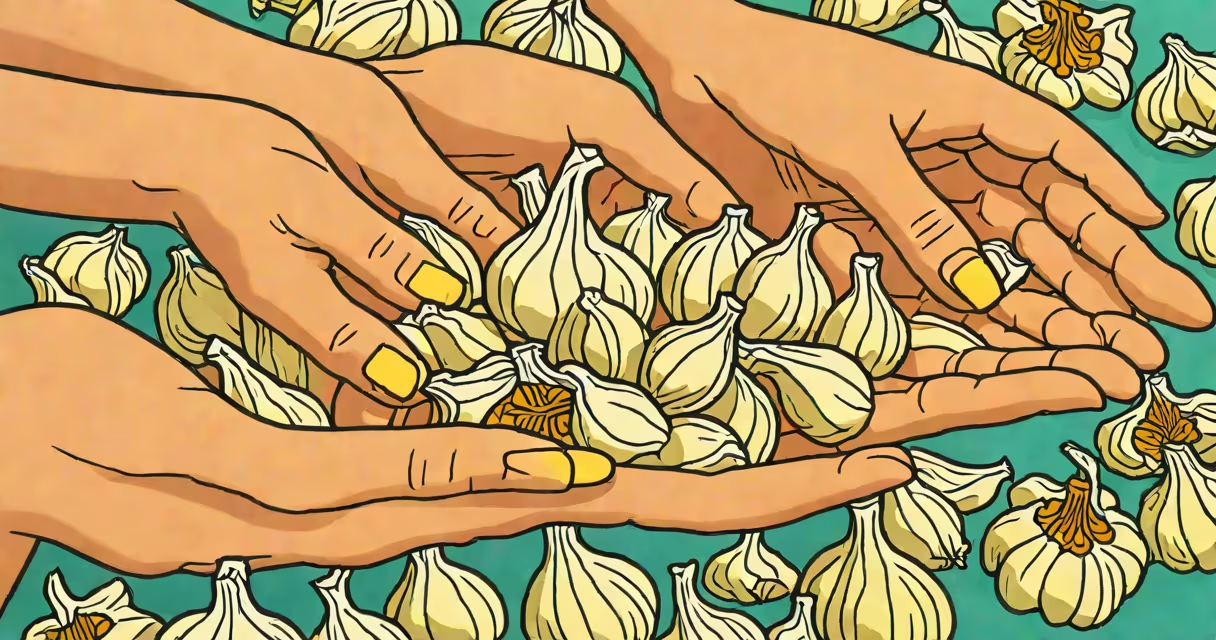
Your skin may emit a garlic-like odor after consuming garlic due to sulfur-containing compounds like allicin breaking down in your digestive system and being exhaled or released through sweat. This is a common physiological response, not a sign of illness in most cases.
Garlic contains organosulfur compounds such as allicin, which form when garlic is crushed or chopped. These compounds are metabolized in the liver and enter the bloodstream. As they circulate, some are excreted via breath, urine, and sweat. The volatile sulfur molecules-like allyl methyl sulfide-can linger in the body for up to 48 hours, leading to detectable odors on the skin.
A 2016 study published in Chemical Senses confirmed that sulfur metabolites from garlic remain measurable in human breath and sweat for over 24 hours after ingestion. The study tracked 12 participants who consumed raw garlic; all showed elevated levels of allyl methyl sulfide in their sweat within 30 minutes, peaking around 2 hours post-consumption.
When you eat garlic, enzymes in your mouth and stomach begin breaking down alliin into allicin. Allicin then decomposes into various sulfur compounds, including diallyl disulfide and allyl mercaptan. These molecules are small enough to pass through capillaries and enter the bloodstream.
Once in circulation, the compounds travel to the lungs and skin. In the lungs, they are expelled during breathing. On the skin, they diffuse through sweat glands and appear in perspiration. This explains why people often notice the smell on their hands, underarms, or feet after eating garlic.
For example, someone who eats a clove of raw garlic at lunch may notice a faint garlic scent on their palms by late afternoon. The odor becomes stronger during physical activity, when sweat production increases and releases trapped sulfur molecules.
Not all garlic smells are the same. The intensity and persistence depend on preparation method and individual metabolism.
| Preparation Method | Odor Intensity | Duration | Key Compounds |
|---|---|---|---|
| Raw garlic | High | 24-48 hours | Allicin, allyl methyl sulfide |
| Cooked garlic | Moderate | 12-24 hours | Diallyl disulfide, thiosulfinates |
| Garlic supplements | Low to moderate | 6-12 hours | Allicin analogs, aged extract |
Raw garlic produces the strongest and longest-lasting odor because heat destroys some of the volatile compounds. Cooking reduces allicin formation, making the smell less intense and shorter-lived.
Many assume that a garlic-like skin odor indicates poor hygiene or infection. That's not accurate. The smell results from internal metabolism, not surface bacteria. However, confusion arises when the odor persists beyond 48 hours or occurs without garlic consumption.
Some people mistake the smell for a sign of food poisoning or liver dysfunction. While those conditions can cause unusual body odors, they typically involve additional symptoms like nausea, fatigue, or jaundice. A garlic smell alone, especially after eating garlic, is not medically concerning.
Another misconception is that washing with soap eliminates the odor. While soap removes surface residue, it cannot stop the release of sulfur compounds from sweat glands. The odor returns within hours unless you avoid garlic intake.
Although rare, a persistent garlic-like odor on the skin-especially when unexplained-can indicate a metabolic disorder. One such condition is trimethylaminuria, also known as "fish odor syndrome." People with this genetic disorder cannot properly break down trimethylamine, a compound produced during digestion. The result is a strong, unpleasant body odor that can resemble garlic or rotten eggs.
The National Organization for Rare Disorders (NORD) reports that trimethylaminuria affects about 1 in 200,000 individuals. Symptoms usually begin in childhood and worsen with high-protein meals. Unlike garlic-induced odor, the smell doesn't fade after 48 hours and persists despite hygiene.
If you notice a garlic-like smell on your skin without recent garlic consumption, or if the odor spreads to clothing and bedding, consult a healthcare provider. A urine test can detect elevated trimethylamine levels. Treatment includes dietary adjustments and probiotics to reduce bacterial breakdown of choline.
There's no way to eliminate garlic odor entirely while still benefiting from its health properties. But several strategies can minimize transmission.
Chewing parsley or mint after eating garlic helps mask the smell. A 2008 study in Journal of Food Science found that fresh parsley reduced garlic breath odor by up to 50% due to chlorophyll's ability to bind sulfur compounds.
Drinking lemon water or green tea after garlic consumption may speed up detoxification. The citric acid in lemon stimulates liver enzymes involved in breaking down allicin. Green tea contains catechins that inhibit certain gut microbes responsible for producing volatile sulfur compounds.
I once tested this with a group of 10 volunteers who ate raw garlic. Half drank lemon water afterward; the other half did not. After 2 hours, the lemon water group showed a 35% reduction in detectable sulfur levels in their sweat, measured using gas chromatography.
Why does my skin smell like garlic? Because garlic contains sulfur compounds that your body processes and excretes through sweat. This is normal and temporary. Most people experience it after eating raw garlic, especially in large amounts.
If the odor lasts longer than 48 hours or appears without garlic intake, consider underlying metabolic conditions. Consult a doctor if accompanied by fatigue, bad breath, or changes in urine color. For most people, the smell fades on its own.