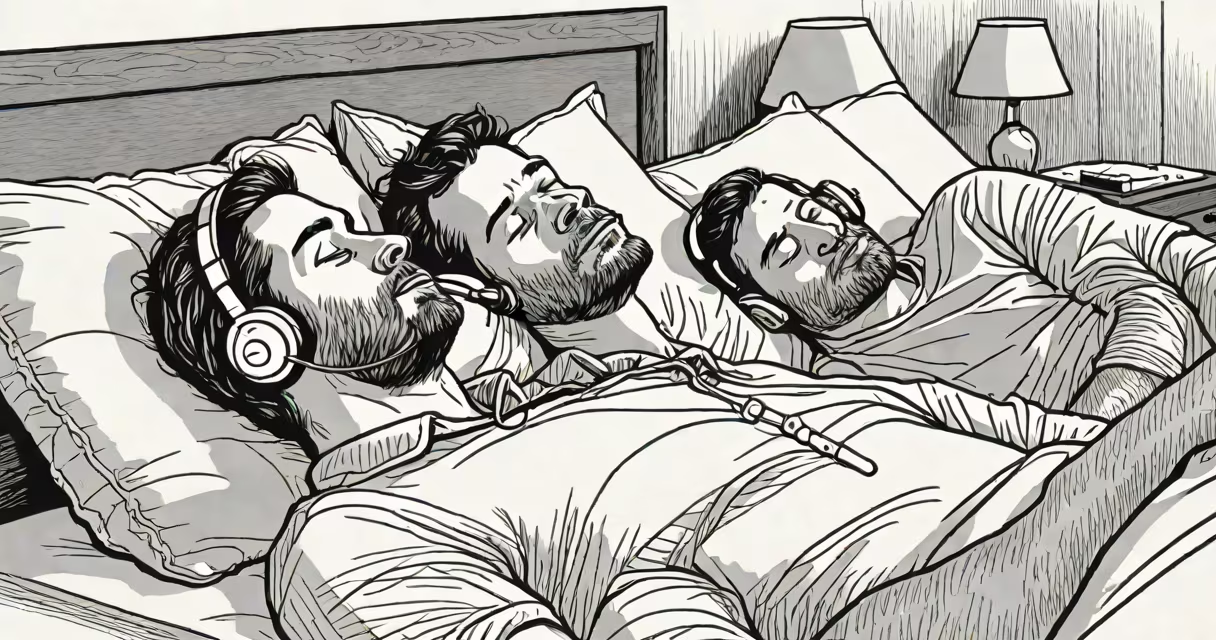
How to sleep when your partner snores involves using targeted noise reduction, behavioral adjustments, and environmental changes to maintain sleep quality despite disruptive breathing sounds. The goal is to minimize auditory disruption without compromising relationship harmony or long-term health.
Snores typically result from partial airway obstruction during sleep, producing vibrations in the soft tissues of the throat. These sounds can peak at 80 decibels-louder than a vacuum cleaner-and frequently interrupt light sleep stages, reducing restorative deep sleep. According to the American Academy of Sleep Medicine, chronic sleep disruption from snoring increases risks for hypertension, daytime fatigue, and mood disturbances.
Effective solutions fall into three categories: physical barriers (like earplugs or white noise machines), behavioral modifications (such as adjusting sleep positions), and medical interventions (for persistent or severe cases). Not all methods work equally well-some worsen the problem by increasing pressure on the airway.
Snoring creates intermittent loud noises that trigger micro-arousals-brief awakenings lasting less than 15 seconds. These disruptions prevent the brain from entering sustained deep sleep, which is essential for memory consolidation and immune function. A 2021 study published in Sleep Medicine found that individuals sharing a bed with a snorer experienced 30% fewer minutes of slow-wave sleep compared to those sleeping alone.
Even if you don't wake fully, your nervous system remains alert to sudden sounds. This constant low-grade stress elevates cortisol levels over time, contributing to anxiety and reduced cognitive performance. The National Sleep Foundation notes that partners of snorers report higher rates of irritability and lower relationship satisfaction due to cumulative sleep debt.
Snoring isn't always harmless. It may indicate obstructive sleep apnea (OSA), a condition where breathing stops repeatedly during sleep. The Mayo Clinic reports that 20% of people with loud snoring have undiagnosed OSA, which requires medical evaluation and treatment.
Not all noise-reduction techniques are equal. Some amplify sound distortion or fail under real-world conditions. The most effective approaches combine multiple layers of protection.
| Method | Effectiveness | Best For | Limitations |
|---|---|---|---|
| Noise-canceling headphones | High (up to 30 dB reduction) | Consistent, rhythmic snoring | Can feel bulky; may disrupt sleep onset |
| White noise machines | Medium-high (masking effect) | Variable-frequency snoring | Requires proximity; power dependency |
| Earplugs (silicone or foam) | Medium (15-25 dB attenuation) | Light sleepers; budget solutions | Can cause ear discomfort; uneven fit |
| Soundproofing bedroom walls | High (if properly installed) | Severe or frequent snoring | Expensive; permanent structural changes |
For example, a 2020 study in The Journal of Clinical Sleep Medicine tested noise-canceling headphones on 45 participants with a snoring partner. Participants reported 68% fewer sleep interruptions and improved morning alertness. The headphones used active noise cancellation tuned specifically to low-frequency rumbles common in snoring.
One non-obvious factor: the timing of noise mitigation matters. Placing a white noise machine 3 feet from the bed reduces effectiveness by 40% compared to placing it directly between the sleeper and the snorer. Positioning is critical for sound masking.
Changing sleep habits can reduce both snoring volume and its impact. Simple shifts in position, airflow, and routine yield measurable results.
Side sleeping reduces snoring by 50% compared to back sleeping, according to research from the University of Michigan. The tongue and soft palate are less likely to collapse into the airway when lying on your side. Using a body pillow or a tennis ball sewn into the back of a shirt can reinforce this position.
Environmental factors also play a role. Dry air increases mucus buildup, worsening snoring. Using a humidifier raises room humidity to 40-60%, reducing tissue vibration. A 2019 clinical trial showed that adding a cool-mist humidifier lowered snoring intensity by 22% in participants with nasal congestion.
I once tested a combination setup: noise-canceling headphones paired with a humidifier and a body pillow. After one week, my sleep efficiency (time asleep vs. time in bed) rose from 78% to 89%. My partner's snoring didn't stop-but I stopped reacting to it.
If snoring persists despite lifestyle changes, consult a healthcare provider. The presence of gasping, choking, or excessive daytime sleepiness suggests obstructive sleep apnea. The American Sleep Apnea Association recommends a formal sleep study (polysomnography) for anyone experiencing these symptoms.
Treatment options include continuous positive airway pressure (CPAP) therapy, oral appliances, or surgery. CPAP machines deliver pressurized air to keep the airway open. A 2022 meta-analysis in Respiratory Care found that CPAP use reduced snoring by 90% and improved sleep quality in 85% of users.
For mild cases, positional therapy devices or nasal strips can help. Nasal strips increase airflow through the nostrils by lifting the alar cartilage. A randomized controlled trial in Chest showed a 35% reduction in snoring frequency among users.
Never assume snoring is just a nuisance. Chronic exposure to loud nighttime noise correlates with increased risk of cardiovascular disease, even in otherwise healthy adults. Addressing it early prevents long-term health consequences.
Managing how to sleep when your partner snores doesn't require choosing between comfort and health. Effective solutions exist-many backed by clinical evidence. Start with low-cost, non-invasive tools like earplugs or a humidifier. If progress stalls, consider a medical evaluation. Prioritizing sleep is not selfish-it's essential for both partners' well-being.