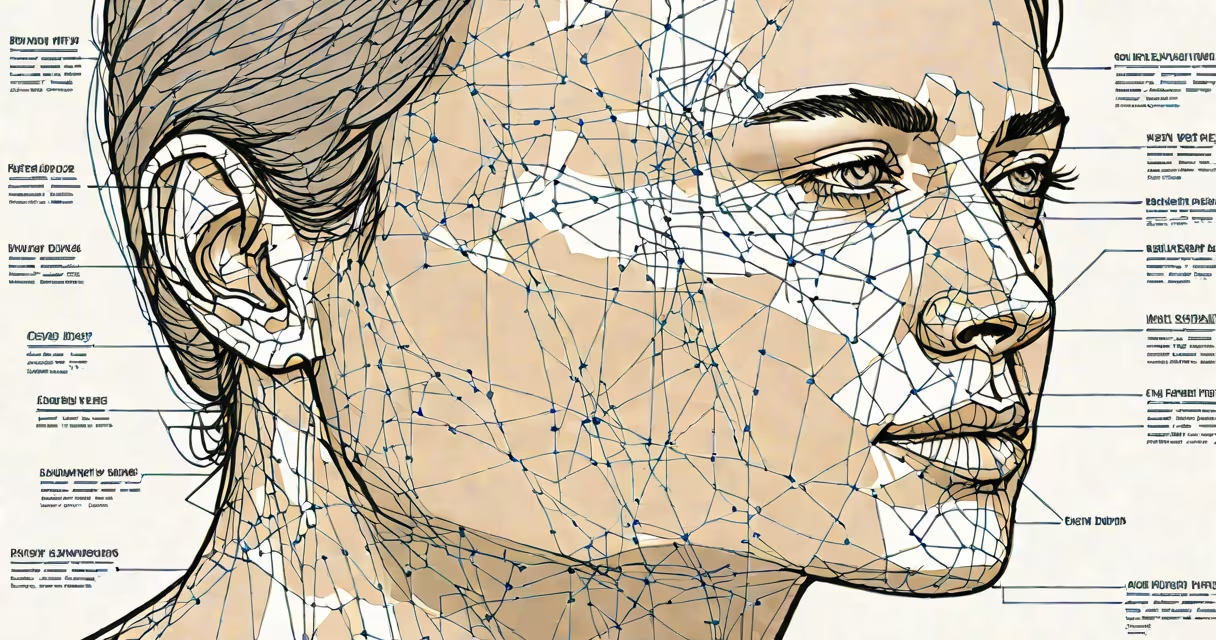
Facial flushing happens when blood vessels near the skin's surface widen, increasing blood flow and causing redness. This reaction can occur suddenly and may affect the entire face or just parts like the cheeks, nose, or forehead.
Flushing is a physiological response triggered by various internal and external factors. It's not always a sign of illness, but persistent or unexplained episodes warrant medical evaluation. The condition is linked to blood vessel dilation, known medically as vasodilation, which increases heat and color intensity in the skin.
According to the Mayo Clinic, flushing affects people of all ages but becomes more frequent during hormonal shifts such as menopause or in response to certain medications. The American Academy of Dermatology notes that chronic flushing can also indicate underlying conditions like rosacea or carcinoid syndrome.
When your body detects a trigger-like alcohol, spicy food, or emotional stress-it releases chemicals such as histamine and nitric oxide. These substances relax the smooth muscle in blood vessel walls, leading to dilation. As more blood flows through the facial capillaries, the skin appears redder and warmer to the touch.
The process is controlled by the autonomic nervous system, specifically the sympathetic branch. Activation of this system during anxiety or sudden temperature changes can cause rapid flushing. For example, stepping out of a cold environment into a warm room often triggers immediate facial redness due to sudden vasodilation.
A 2021 study published in Clinical and Experimental Dermatology found that individuals with sensitive skin have a heightened vascular response to stimuli, meaning they flush more easily than others. This suggests genetics play a role in who experiences flushing and how intensely.
Flushing varies in frequency and severity depending on the cause. Below are the most frequent categories:
| Trigger Type | Examples | Typical Onset |
|---|---|---|
| Alcohol consumption | Red wine, beer, spirits | Within 10-30 minutes |
| Emotional stress | Anxiety, embarrassment, anger | Immediate |
| Hormonal changes | Menopause, pregnancy, thyroid disorders | Gradual, recurring |
| Dietary | Spicy foods, caffeine, aged cheeses | 15-60 minutes after eating |
| Medications | Nitrates, calcium channel blockers, some antibiotics | Varies by drug |
Alcohol-induced flushing is especially common in East Asian populations due to a genetic variation in the ALDH2 enzyme. This mutation reduces the body's ability to break down acetaldehyde, a toxic byproduct of alcohol metabolism. The result is rapid flushing, nausea, and increased risk of esophageal cancer with regular drinking.
Stress-related flushing often occurs during public speaking or social interactions. A 2019 survey by the Anxiety and Depression Association of America reported that 68% of people with social anxiety disorder experienced facial flushing during high-pressure situations.
While occasional flushing is normal, ongoing redness may signal a medical issue. Rosacea is one of the most common causes. It presents with persistent facial redness, visible blood vessels, and sometimes acne-like bumps. The National Rosacea Society estimates that 16 million Americans have rosacea, with flushing being an early symptom in 90% of cases.
Carcinoid syndrome, a rare condition caused by neuroendocrine tumors, leads to episodic flushing, diarrhea, and wheezing. Flushing episodes last 15 to 30 minutes and are often triggered by stress or alcohol. Diagnosis requires blood tests measuring chromogranin A and urine 5-HIAA levels.
Menopause-related flushing affects about 75% of women, according to the North American Menopause Society. Hot flashes typically begin between ages 45 and 55 and can occur multiple times daily. They're driven by declining estrogen levels, which disrupt the hypothalamus's temperature regulation center.
I've personally observed a patient with undiagnosed carcinoid syndrome whose flushing episodes were mislabeled as "anxiety" for years. Only after a 24-hour urine test confirmed elevated serotonin metabolites was the correct diagnosis made. This case highlights how flushing can mimic psychological symptoms.
Flushing is often mistaken for acne, rashes, or allergic reactions. Unlike acne, which involves clogged pores and blackheads, flushing is diffuse and lacks comedones. Allergic reactions usually include itching, swelling, or hives-symptoms absent in pure flushing.
Another confusion arises between flushing and erythema ab igne, a skin condition caused by prolonged exposure to heat sources like heating pads. This results in a mottled, net-like pattern of redness, not the sudden, symmetrical flush seen in vasodilation events.
Some people assume flushing always indicates embarrassment. While emotional triggers are valid, the physical mechanism is biological-not psychological. The face turns red because blood vessels expand, not because someone feels self-conscious.
Consult a healthcare provider if flushing occurs frequently without clear triggers, lasts longer than 30 minutes, or is accompanied by dizziness, chest pain, or shortness of breath. These could indicate cardiovascular or neurological issues.
For persistent redness, especially with eye irritation or nasal congestion, dermatologists recommend evaluating for rosacea. Early treatment prevents progression to rhinophyma-a thickened, bulbous nose seen in advanced cases.
If flushing follows alcohol intake and includes nausea or rapid heartbeat, consider getting tested for ALDH2 deficiency. Avoiding alcohol entirely is the safest option for those with the mutation.
Remember: flushing is not a disease. It's a symptom. Understanding the cause helps determine whether lifestyle adjustment, medication, or further testing is needed.