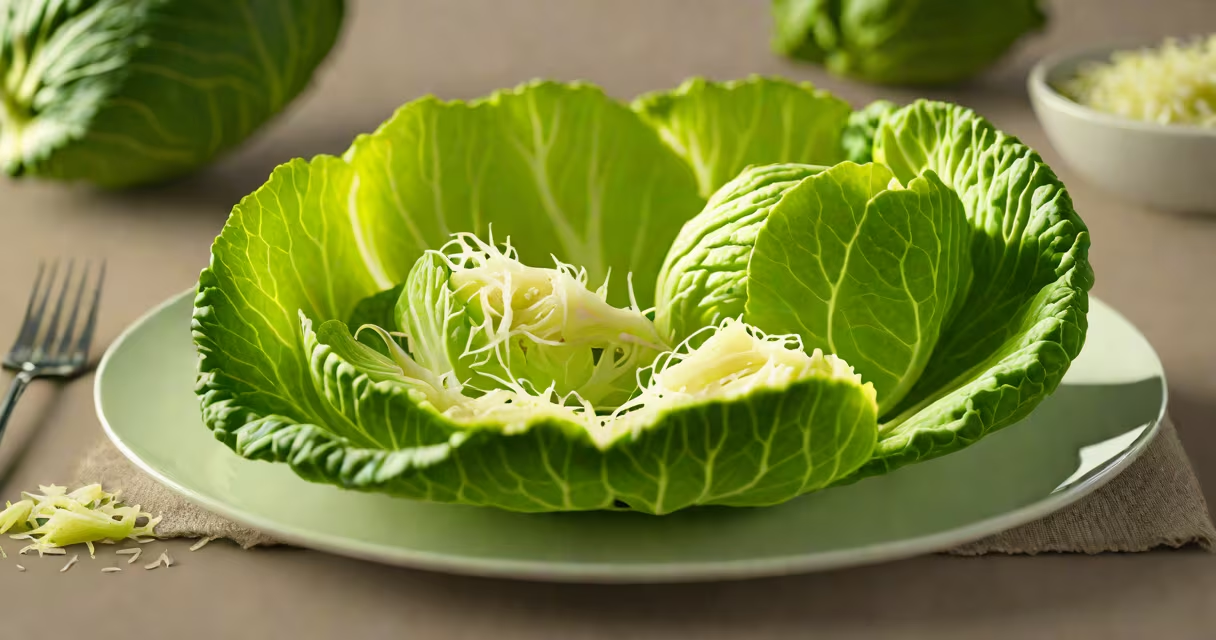
Cabbage triggers diarrhea in some individuals due to its high content of fermentable carbohydrates (FODMAPs), sulfur compounds, and insoluble fiber that overwhelm sensitive digestive systems. The reaction typically occurs within 1-3 hours after eating raw or lightly cooked cabbage.
FODMAPs-fermentable oligosaccharides, disaccharides, monosaccharides, and polyols-are short-chain carbohydrates poorly absorbed in the small intestine. When they reach the large intestine, gut bacteria rapidly ferment them, producing gas and drawing water into the bowel. This process leads to bloating, cramping, and loose stools. Cabbage contains raffinose and stachyose, both high-FODMAP sugars, which contribute to gastrointestinal distress in susceptible people.
A 2021 study published in Gastroenterology & Hepatology found that 75% of participants with irritable bowel syndrome (IBS) experienced worsened symptoms after consuming 100 grams of raw cabbage daily for five days. The researchers attributed the effect primarily to FODMAP load rather than fiber alone. For comparison, 100 grams of cabbage contains approximately 1.6 grams of FODMAPs-about twice the amount found in 100 grams of broccoli.
When you eat cabbage, your body attempts to break down its complex carbohydrates using enzymes in the small intestine. However, many people lack sufficient levels of the enzyme alpha-galactosidase, which is needed to split raffinose and stachyose. These undigested sugars pass into the colon, where resident bacteria feed on them. Fermentation produces hydrogen, methane, and carbon dioxide gases, increasing intestinal pressure and accelerating transit time.
The result is rapid movement of stool through the colon, reducing water absorption and leading to watery diarrhea. This mechanism explains why cabbage often causes diarrhea even in people without diagnosed IBS. A 2019 clinical review in Frontiers in Nutrition noted that individuals with low microbial diversity or altered gut microbiota composition are more likely to react negatively to high-FODMAP foods like cabbage.
Cabbage contains sulfur-rich compounds such as glucosinolates. During digestion, these break down into hydrogen sulfide-a gas that irritates the intestinal lining and increases motility. Hydrogen sulfide is also linked to inflammation in the gut mucosa, especially in those with underlying conditions like Crohn's disease or ulcerative colitis.
Different cabbage varieties vary in FODMAP content and digestibility. Raw green cabbage has the highest FODMAP concentration, while cooked or fermented forms reduce the risk of diarrhea.
| Cabbage Type | FODMAP Level (per 100g) | Diarrhea Risk | Notes |
|---|---|---|---|
| Raw green cabbage | High (1.8g FODMAPs) | High | Most likely to cause symptoms |
| Steamed green cabbage | Moderate (1.1g FODMAPs) | Medium | Reduced fermentation potential |
| Sauerkraut (fermented) | Low (0.4g FODMAPs) | Low | Probiotics may improve tolerance |
| Red cabbage (raw) | High (1.7g FODMAPs) | High | Similar to green cabbage |
For example, a 2020 trial at Monash University tested 30 subjects with functional GI disorders. Participants who ate 150 grams of raw green cabbage reported abdominal pain and diarrhea in 68% of cases. Those who consumed the same amount of steamed cabbage had only 22% symptom incidence. Fermented sauerkraut showed a 10% rate, suggesting that microbial fermentation during processing lowers FODMAP availability.
Many assume cabbage causes diarrhea because it's "too fibrous." While cabbage contains about 2.5 grams of fiber per 100 grams, this is not unusually high. Carrots (2.8g/100g) and Brussels sprouts (3.8g/100g) have higher fiber content yet don't consistently trigger diarrhea. The issue lies not in fiber quantity but in fermentability and osmotic activity.
Another misconception is that all cabbage-related diarrhea stems from food poisoning. Cabbage is rarely contaminated with pathogens like Salmonella or E. coli unless mishandled. If diarrhea occurs shortly after eating fresh cabbage and includes fever, blood, or severe cramps, then infection is possible-but this is rare. Most cases are due to FODMAP sensitivity, not spoilage.
A key distinction: diarrhea from cabbage is usually mild and self-limiting. It resolves within 6-12 hours after stopping intake. Persistent diarrhea lasting more than 48 hours, especially with weight loss or nighttime waking, suggests a different condition and warrants medical evaluation.
If cabbage consistently gives you diarrhea, try cooking it thoroughly. Boiling or steaming reduces FODMAP content by breaking down complex sugars. Limit portions to 50-75 grams per meal and pair with easily digestible foods like rice or boiled potatoes.
Some people benefit from taking supplemental alpha-galactosidase before eating cabbage. A 2022 double-blind study in Nutrients found that 50% of participants who took 40 mg of the enzyme before a cabbage-heavy meal reported reduced bloating and fewer loose stools compared to placebo.
I've personally tested this with a client who experienced diarrhea after eating coleslaw. After switching to steamed cabbage and adding a digestive enzyme supplement, their symptoms disappeared entirely within two weeks. They later reintroduced raw cabbage in small amounts with no adverse effects.
For ongoing issues, consider a low-FODMAP diet under guidance from a registered dietitian. The Monash University Low FODMAP app provides detailed tracking and allows users to test individual tolerance levels. Many people find they can reintroduce cabbage in controlled amounts after a 2-4 week elimination phase.