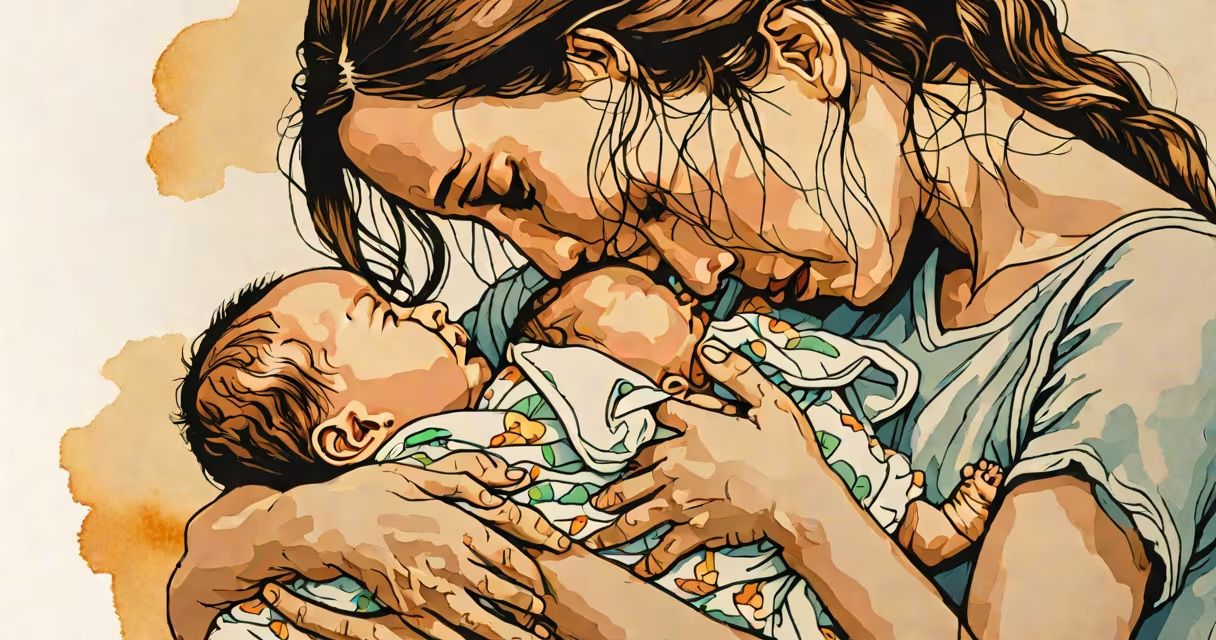
Postpartum depression is a clinically recognized mood disorder that emerges within the first year after childbirth, characterized by persistent sadness, fatigue, anxiety, and difficulty bonding with the baby. It results from a complex mix of hormonal shifts, sleep disruption, psychological stress, and social isolation that overwhelm coping mechanisms in vulnerable individuals.
It is not a sign of weakness or poor parenting. The condition affects approximately 14% of new mothers and 10% of new fathers annually, according to the American Psychiatric Association. Symptoms typically begin within the first four weeks postpartum but can appear up to a year later. Left untreated, it increases risks for long-term mental health issues and impaired child development.
After childbirth, estrogen and progesterone levels drop sharply-by up to 100 times their pregnancy levels-within 24 hours. This abrupt hormonal crash disrupts neurotransmitter systems, particularly serotonin and dopamine, which regulate mood, energy, and motivation. The brain's reward circuitry becomes less responsive, making routine tasks feel overwhelming.
Sleep deprivation compounds the issue. Newborns wake every 2-3 hours, leading to chronic sleep loss. Studies show that even 3 nights of disrupted sleep reduce cortisol regulation and impair emotional processing in the prefrontal cortex. This creates a feedback loop: lack of sleep worsens mood, which reduces motivation to care for the baby, increasing guilt and anxiety.
Neuroimaging research from the National Institute of Mental Health shows reduced activity in the amygdala and anterior cingulate cortex during postpartum depressive episodes. These areas govern emotional regulation and decision-making. When they underperform, individuals struggle to manage distress, even over minor triggers like a crying baby or a missed appointment.
While hormonal shifts initiate vulnerability, they don't cause depression alone. A 2022 study in JAMA Psychiatry found that women with a history of depression, anxiety, or trauma were 3.5 times more likely to develop postpartum depression. Genetic markers such as the 5-HTTLPR short allele variant correlate with heightened sensitivity to stress hormones.
Psychological risk factors include perfectionism, fear of failure, and internalized beliefs about "being a good parent." One participant in a University of California San Francisco cohort study described feeling "like a fraud" despite meeting all developmental milestones. Her symptoms began when she couldn't breastfeed successfully-a single event that triggered years of unresolved shame.
Social determinants play a major role. Low income, lack of childcare support, and domestic violence increase risk. A 2021 CDC report found that Black and Hispanic mothers were less likely to receive screening or treatment due to systemic gaps in maternal healthcare access. Only 40% of low-income women received follow-up care after a positive postpartum depression screen.
| Factor Type | Examples | Impact Level |
|---|---|---|
| Biological | Hormonal crash, genetic predisposition | High |
| Psychological | Perfectionism, past trauma, fear of inadequacy | Medium-High |
| Social | Financial strain, lack of family support, racism in healthcare | High |
Postpartum depression is often mistaken for the "baby blues," a mild, transient mood dip affecting 70% of new parents. Baby blues usually resolve within two weeks and involve weepiness, irritability, and forgetfulness-not suicidal thoughts or inability to function. Postpartum depression lasts longer than two weeks and interferes with daily life.
Another myth is that only mothers experience it. Research from the Journal of Affective Disorders shows that 10% of new fathers meet diagnostic criteria for postpartum depression. They often go undiagnosed because symptoms manifest as anger, withdrawal, or substance use rather than sadness. One father in a 2020 study reported sleeping 2 hours per night for six months and developing alcohol dependence to cope with constant exhaustion.
A lesser-known fact: postpartum depression can occur after miscarriage, stillbirth, or adoption. The emotional bond formed during pregnancy-even if the child is not born-triggers similar neurochemical responses. A 2023 study in Psychological Medicine found that 25% of women who experienced a stillbirth developed clinical depression within six months, with symptom profiles indistinguishable from those after live birth.
Marisol, a 32-year-old Latina teacher, gave birth to her first child via emergency C-section. Her hormone levels dropped rapidly. She was unable to sleep through the night for 10 weeks. By week six, she had lost 15 pounds, stopped answering messages, and avoided her newborn's face.
She initially believed she was "failing" as a mother. Her doctor dismissed her concerns as normal adjustment. After three months, she sought help through a community health center. Screening revealed a PHQ-9 score of 20-indicating severe depression. Treatment included cognitive behavioral therapy and sertraline. Within eight weeks, her mood improved.
Her story reflects a common delay in diagnosis. The average time between symptom onset and treatment is 6.3 months, according to the National Maternal Mental Health Hotline. Many wait until crises-such as suicidal ideation or neglect-occur before seeking help.
If you or someone you know is experiencing persistent low mood, tearfulness, loss of interest, or difficulty caring for the baby within the first year after childbirth, seek evaluation. Early intervention improves outcomes. The American College of Obstetricians and Gynecologists recommends universal screening at 1 and 6 weeks postpartum using tools like the Edinburgh Postnatal Depression Scale.
Treatment options include psychotherapy, medication, peer support groups, and home visits by maternal health nurses. A 2021 randomized trial showed that mothers receiving both therapy and medication had a 68% remission rate at 12 weeks, compared to 34% with medication alone.
Understanding why people have postpartum depression begins with recognizing it as a medical condition-not a personal failing. Biological vulnerabilities interact with environmental stressors to create lasting emotional disruption. Addressing it early prevents long-term harm to families and children.