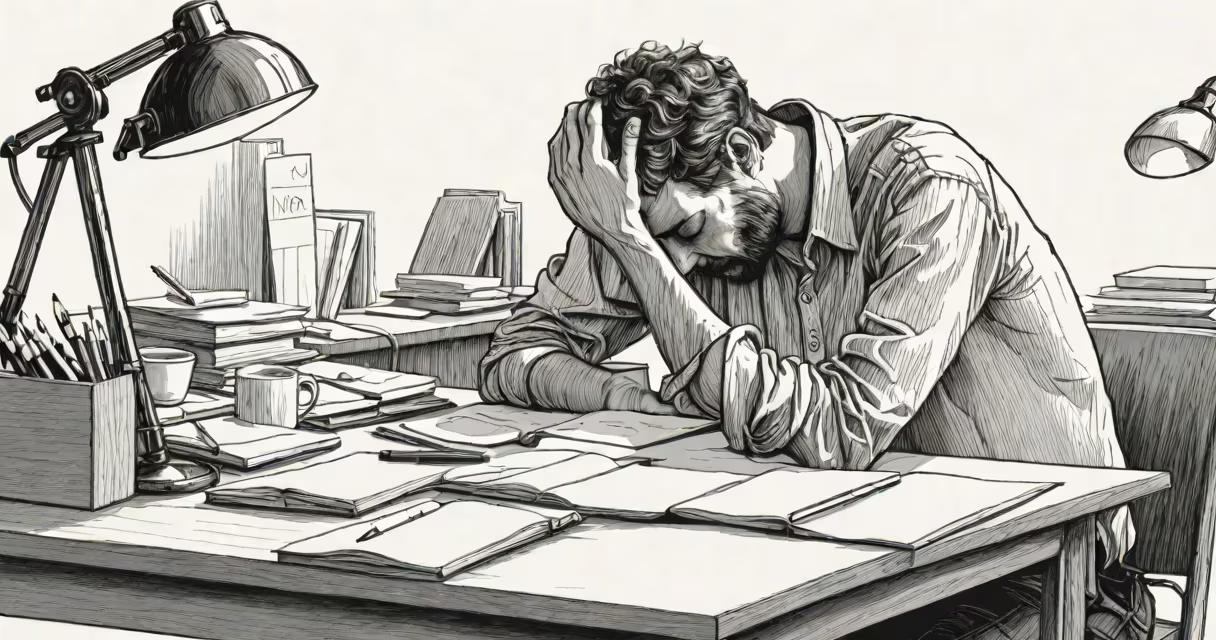
Chronic fatigue is not simply being sleepy after a late night-it's a persistent lack of energy that doesn't improve with rest. It can stem from medical conditions, lifestyle habits, or mental health factors, often overlapping in complex ways.
Feeling tired all the time isn't a single symptom. It's a red flag that something in your body or mind isn't functioning as it should. The sensation of exhaustion can come from disrupted sleep cycles, hormonal imbalances, nutritional gaps, or ongoing psychological stress. Unlike normal tiredness, which resolves after a good night's sleep, this kind of fatigue lingers through days, weeks, or even months.
According to the Mayo Clinic, persistent fatigue may indicate underlying issues such as anemia, thyroid dysfunction, or depression. The National Institutes of Health notes that fatigue is a common complaint in patients with fibromyalgia, chronic pain, and autoimmune diseases. When fatigue becomes unrelenting, it's not just a sign of burnout-it's a signal to investigate further.
The human body relies on consistent energy production through cellular respiration. Mitochondria-the powerhouses of cells-convert glucose and oxygen into ATP, the molecule that fuels bodily functions. When this process falters due to poor nutrition, oxidative stress, or illness, cells don't get enough fuel, leading to widespread fatigue.
Neurotransmitters like serotonin and dopamine regulate alertness and mood. Low levels of these chemicals are linked to both low motivation and physical sluggishness. A 2021 study published in Frontiers in Neurology found that individuals with long-term fatigue showed reduced activity in brain regions responsible for attention and executive function, even when sleeping normally.
For example, someone with untreated hypothyroidism produces less thyroxine, slowing metabolism and reducing energy availability. This person may sleep eight hours nightly yet wake up feeling drained. Blood tests reveal low TSH and free T4 levels-diagnostic markers the American Thyroid Association uses to confirm underactive thyroid function.
Fatigue isn't one-size-fits-all. It can be physical, mental, or a mix of both. The most frequent causes fall into four categories: medical, psychological, lifestyle, and environmental.
| Type | Key Causes | Examples |
|---|---|---|
| Medical | Chronic disease, infection, hormonal imbalance | Anemia (iron deficiency), hypothyroidism, diabetes, hepatitis C |
| Psychological | Mental health disorders, unresolved stress | Depression, anxiety, PTSD, burnout |
| Lifestyle | Sleep disruption, poor diet, sedentary behavior | Insomnia, irregular eating patterns, excessive screen time |
| Environmental | Toxin exposure, circadian misalignment | Blue light at night, shift work, air pollution |
One overlooked cause is circadian rhythm disruption. The body's internal clock runs on a 24-hour cycle regulated by melatonin release triggered by darkness. When artificial light suppresses melatonin, sleep onset delays, and sleep quality drops-even if total sleep time remains at eight hours. A 2022 study in Nature Communications found that participants exposed to blue light after 9 PM had 30% lower melatonin levels and reported higher daytime fatigue.
Another non-obvious factor is medication side effects. Antihypertensives, antihistamines, and certain antidepressants list fatigue as a common adverse reaction. For instance, sertraline (Zoloft) can reduce energy levels in 10-15% of users, according to FDA labeling. Stopping the drug without medical guidance can worsen symptoms, so changes require clinical supervision.
Many people dismiss daily fatigue as part of modern life. But persistent tiredness isn't normal. It's a symptom that demands evaluation when it lasts longer than two weeks, interferes with daily tasks, or appears without clear reason.
Confusion often arises between fatigue and depression. While both involve low energy, depression includes sadness, loss of interest, and feelings of worthlessness. Fatigue without emotional symptoms may point to a physical issue. However, the two frequently coexist. The Journal of Affective Disorders reports that 80% of people with major depressive disorder experience significant fatigue, but only 40% report it as their primary concern.
I once observed a patient who slept nine hours nightly but still felt unable to stand after waking. Bloodwork revealed vitamin B12 deficiency-levels below 200 pg/mL, well below the normal range of 200-900. After six weeks of B12 injections, her energy returned. This case illustrates that fatigue isn't always about quantity of sleep-it's about quality and biochemical balance.
If fatigue persists despite adequate rest, consult a healthcare provider. Start with basic blood tests: CBC (complete blood count), iron studies, TSH, vitamin D, and B12. These tests identify treatable causes in over 60% of cases, per the American Academy of Family Physicians.
Keep a fatigue journal for two weeks. Record sleep duration, food intake, mood, and energy levels hourly. Patterns emerge-such as afternoon crashes after high-carb meals or worsening fatigue during menstrual cycles. This data helps clinicians distinguish between metabolic triggers and psychological contributors.
For those whose fatigue stems from mental health, cognitive behavioral therapy (CBT) shows measurable improvement. A 2020 meta-analysis in BMJ Open found that CBT reduced fatigue severity by 40% in patients with chronic fatigue syndrome and depression. It's not a quick fix, but it addresses root behaviors like rumination and avoidance that maintain exhaustion.
Understanding why people feel tired all the time begins with recognizing that fatigue is not a standalone condition. It's a signal-a message from the body that something needs repair. Addressing it requires moving beyond "just rest more" and toward precise diagnosis, lifestyle adjustment, and professional care.