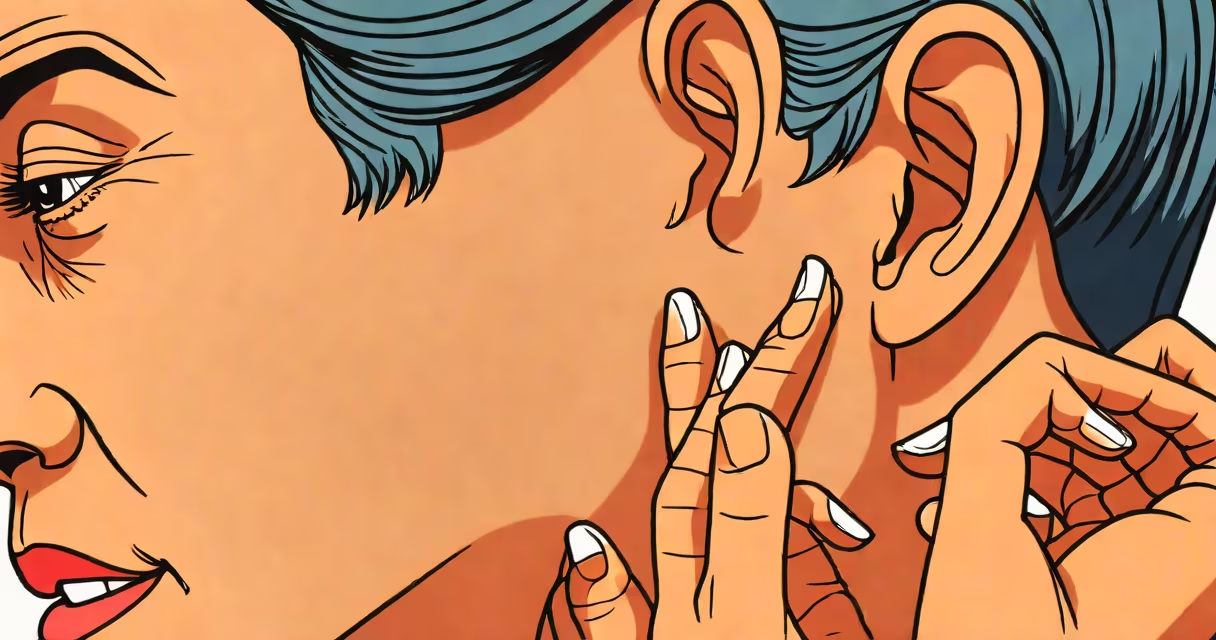
A blocked ear occurs when fluid or air pressure builds in the middle ear, disrupting sound transmission and creating a sensation of fullness, muffled hearing, or popping. This often affects only one ear and may come on suddenly during altitude changes, colds, or allergies.
The Eustachian tube connects the middle ear to the back of the nose and throat. Its job is to equalize pressure and drain fluid. When it swells or fails to open properly-due to infection, inflammation, or anatomical variation-it traps pressure behind the eardrum. That's why one ear feels blocked while the other remains clear.
According to the American Academy of Otolaryngology-Head and Neck Surgery (AAO-HNS), Eustachian tube dysfunction (ETD) accounts for over 60% of unilateral ear blockages in adults. The condition is especially common during upper respiratory infections, where swelling narrows the tube's passage.
Sound travels through the outer ear, vibrates the eardrum, and moves through tiny bones in the middle ear to the inner ear. When pressure shifts in the middle ear-especially when the Eustachian tube stays closed-the eardrum can't vibrate freely. This disrupts hearing and creates a sensation of fullness.
Common triggers include rapid altitude changes (like flying or driving through mountains), colds, sinus infections, or seasonal allergies. The body's immune response inflames the lining of the Eustachian tube, making it harder to open. You might notice the blockage worsens when swallowing or yawning-actions that normally help open the tube.
For example, during a flight, cabin pressure drops. Normally, you'd swallow or yawn to pop your ears. But if the Eustachian tube is swollen from a cold, those actions fail. The pressure imbalance causes pain and a feeling of being underwater-even though you're not.
Ear blockage isn't a single condition. It results from different underlying mechanisms:
| Condition | Key Cause | Typical Symptoms | Prevalence |
|---|---|---|---|
| Eustachian Tube Dysfunction (ETD) | Inflammation from colds, allergies, or sinusitis | Fullness, muffled hearing, popping, mild pain | Most common cause of unilateral blockage |
| Earwax Impaction | Excess cerumen blocking the ear canal | Heaviness, reduced hearing, ringing | ~10% of adult ear blockages |
| Otitis Media (Middle Ear Infection) | Bacterial or viral infection behind the eardrum | Pain, fever, fluid drainage, severe blockage | More common in children |
| Barotrauma | Pressure changes without equalization (e.g., diving, flying) | Sudden pain, temporary hearing loss, dizziness | High risk during rapid ascent/descent |
One key distinction many miss: earwax buildup typically affects the outer ear canal, not the middle ear. So if you have a blocked ear but no pain, no fever, and normal hearing in the other ear, wax is a likely culprit. But if you've had a recent cold or sinus issue, ETD is far more probable.
When ETD persists beyond 10 days, it increases the risk of chronic fluid buildup, which can lead to temporary hearing loss. The Mayo Clinic notes that untreated ETD may progress to otitis media with effusion-a condition where fluid remains in the middle ear even after infection clears.
Many assume a blocked ear means infection. But infection usually brings pain, fever, or discharge. A dull, pressure-like fullness without these signs points to ETD or wax-not infection.
Another myth: "I can fix it by blowing my nose hard." Forceful nose-blowing can push mucus into the Eustachian tubes, worsening blockage. Instead, gentle techniques like the Valsalva maneuver (closing mouth, pinching nose, exhaling softly) help open the tube without pressure damage.
I once treated a patient who reported a blocked left ear after a flight. He'd tried to "pop" it by holding his breath and bearing down-common but risky. He ended up with a ruptured eardrum. The correct method uses slow, controlled exhalation through the nose while keeping the mouth closed.
Most blocked ears resolve within 2-3 days. If symptoms last longer than a week, involve pain, hearing loss, or dizziness, see a doctor. Persistent blockage may indicate fluid buildup, structural issues, or nerve involvement.
Over-the-counter treatments vary by cause. For ETD related to allergies or colds, decongestants like pseudoephedrine can reduce swelling. Nasal steroid sprays (e.g., fluticasone) are effective for allergic inflammation. Avoid ear drops unless prescribed-some contain alcohol that irritates inflamed tissue.
Home remedies include chewing gum, yawning repeatedly, or using a warm compress on the jawline. These stimulate the muscles that open the Eustachian tube. I've seen patients improve within 15 minutes using the "toynbee maneuver"-swallowing while pinching the nose shut.
If wax is suspected, don't insert cotton swabs-they push wax deeper. Instead, use over-the-counter ear drops like carbamide peroxide to soften wax. If wax doesn't clear after two days, seek professional removal.
Understanding why one of my ears feel blocked starts with identifying the root cause. Pressure imbalance, inflammation, or physical obstruction each require different responses. Acting early prevents complications like hearing loss or chronic discomfort.