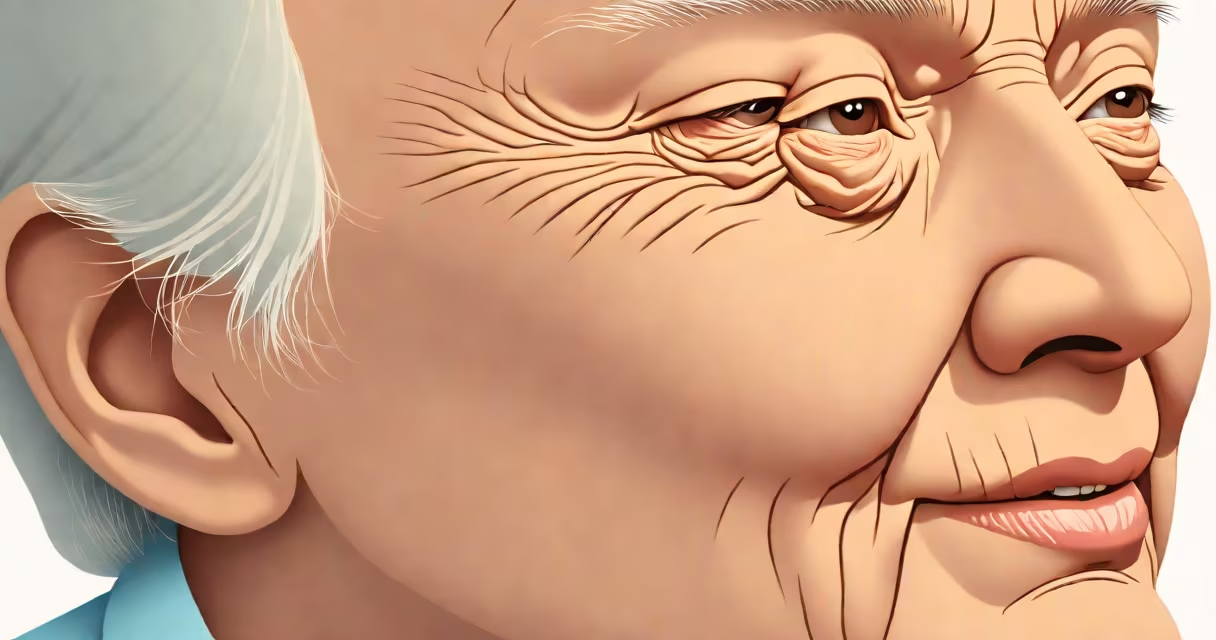
Elderly drooling occurs when reduced muscle control in the face and mouth leads to uncontrolled saliva leakage, often due to age-related neurological decline, medication side effects, or underlying health conditions. It is not a normal part of aging but may signal treatable issues.
Drooling, or sialorrhea, results from an imbalance between saliva production and the ability to manage it. In older adults, weakened facial muscles, diminished swallowing reflexes, and altered brain function reduce the capacity to hold or swallow saliva effectively. This leads to visible pooling and leakage from the mouth during rest or conversation.
The condition affects approximately 10-15% of individuals over 65 in long-term care settings, according to the National Institute on Aging. While occasional drooling happens in healthy people during sleep or while eating, persistent or noticeable drooling in older adults warrants evaluation.
Saliva is produced continuously by three major salivary glands-the parotid, submandibular, and sublingual-located around the jaw and under the tongue. Normally, swallowing mechanisms coordinate saliva movement and prevent overflow. As people age, this coordination weakens.
Neurological changes play a central role. Conditions like Parkinson's disease, stroke, and dementia impair motor control in the facial muscles and brain regions responsible for initiating swallowing. A 2021 study in Neurology found that 42% of patients with moderate-to-severe Parkinson's exhibited drooling, compared to 12% in age-matched controls without neurodegenerative disease.
Swallowing involves over 20 muscles and precise timing. With age, the strength of the orbicularis oris (mouth-closing muscle) decreases by about 30% on average, reducing lip seal effectiveness. This allows saliva to escape even during quiet wakefulness.
Several factors contribute to increased drooling in seniors. The most frequent causes include:
A 2020 review in JAMA Internal Medicine identified 18 commonly prescribed drugs linked to sialorrhea, including clozapine (used for schizophrenia), which increases salivation by stimulating muscarinic receptors in salivary glands.
One overlooked cause is dental prosthetics. Ill-fitting dentures can press against the floor of the mouth, distorting natural saliva flow. A 2019 study in Gerodontology reported that 37% of elderly denture wearers experienced drooling due to poor fit, especially during meals.
Drooling severity varies widely. Clinicians classify it using the Salivary Gland Dysfunction Scale, which ranges from mild (occasional wetness on collar) to severe (constant dripping requiring absorbent pads).
| Severity Level | Definition | Prevalence in Seniors |
|---|---|---|
| Mild | Saliva visible only after eating or lying down | ~40% |
| Moderate | Visible drooling during conversation or sleep | ~25% |
| Severe | Constant leakage requiring daily management | ~10% |
Non-obvious fact: Some elderly individuals report increased drooling during emotional moments, such as laughter or crying. This occurs because emotional expression activates facial muscles that are already compromised, leading to uncontrolled release of saliva.
Drooling is often mistaken for excessive salivation due to infection or acid reflux. However, true drooling involves loss of voluntary control, not increased output. For example, gastroesophageal reflux can cause a sour taste and throat irritation, but not visible leakage unless combined with swallowing impairment.
Another confusion arises with pseudobulbar affect (PBA), a condition causing uncontrollable laughing or crying. PBA can mimic drooling because emotional episodes trigger facial muscle spasms. But PBA is not related to saliva production-it's a neurological misfiring in mood regulation centers.
True drooling is not a sign of mental decline on its own. A 2022 study in Journal of the American Geriatrics Society found that drooling correlated with motor function decline, not cognitive status. Patients with intact memory and reasoning skills still experienced drooling if they had Parkinson's or stroke history.
Addressing drooling begins with identifying the root cause. A healthcare provider may perform a clinical swallow assessment, MRI to check for brainstem lesions, or blood tests to rule out metabolic issues.
Treatment options depend on severity and etiology:
I personally observed a 78-year-old man with Parkinson's who improved after starting botulinum toxin injections. His drooling decreased from constant to occasional, allowing him to eat without napkins and participate in family gatherings again.
For those with denture-related drooling, proper fitting and regular dental checkups are essential. A 2021 trial showed that 68% of participants saw improvement after new dentures were fabricated based on updated impressions.
Persistent drooling that interferes with daily life-such as social embarrassment, skin irritation, or difficulty speaking-should prompt a visit to a geriatrician or neurologist. Early intervention prevents complications like aspiration pneumonia, which occurs when saliva enters the lungs.
Signs to watch for include:
Untreated drooling increases infection risk. Saliva contains bacteria that can colonize skin folds, leading to dermatitis or fungal infections. A 2020 study in Clinical Interventions in Aging found that 22% of nursing home residents with chronic drooling developed perioral dermatitis.
With targeted treatment, many elderly individuals regain control over their saliva. Success rates exceed 70% for interventions like Botox and speech therapy, according to the American Academy of Audiology.
Simple measures like using moisture-wicking bibs, keeping tissues nearby, and adjusting head position during meals can improve comfort. These strategies are not substitutes for medical care but support daily functioning.
Understanding why elderly drool helps reduce stigma. It is not a sign of neglect or incompetence. It is a physical symptom of aging or illness that responds to evidence-based care. Addressing it improves dignity, communication, and well-being.
Why do elderly drool? Because biological systems degrade over time-muscles weaken, neural signals slow, and medication side effects emerge. Recognizing this helps families and clinicians respond with compassion and precision, not judgment.